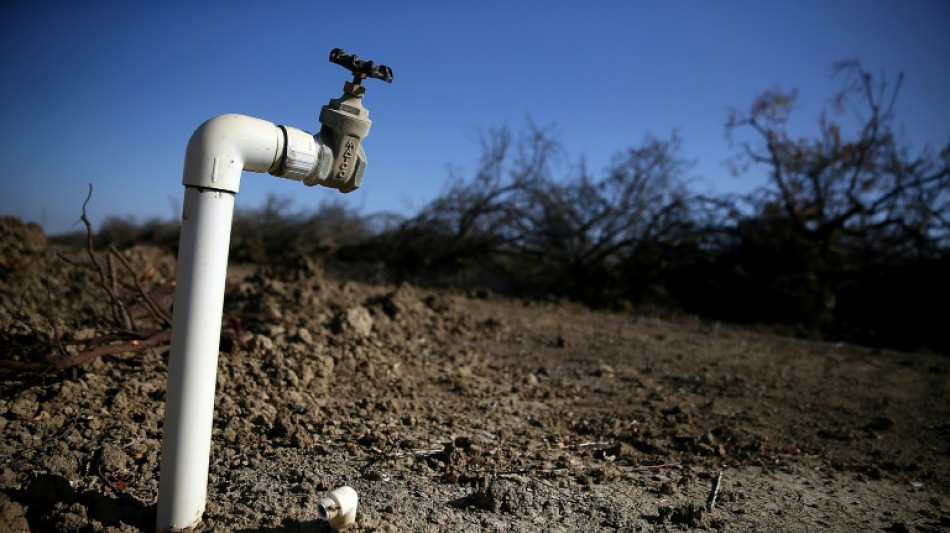
Unprecedented water curbs kick in for drought-hit Los Angeles / Photo: © GETTY IMAGES NORTH AMERICA/AFP

 Brazil's Lula and Flavio Bolsonaro face off in knife-edge election

 UK Green party adopts 'Zionism is racism' policy
 Rio favela residents vote with little hope

 Evenepoel puts worlds 'disappointment' to bed with European crown

 Two-time winning Arc trainer Rouget bows out in emotional farewell

 Battling Djokovic stuns top seed Zverev at China Open

 Spy chief Clayton, the Trump loyalist tech bosses trust on AI

 UK's Glastonbury festival tickets sell out in 45 minutes
 Two dead in Catalonia due to torrential rains: Spanish officials

 Verstappen claims first win of year in chaotic Bahrain GP in Malaysia
 Red Bull's Verstappen wins Bahrain Grand Prix in Malaysia
 أليكس بودي وسفير جمهورية جنوب السودان غوم دومينيك ماتيوك يبحثان في برلين إمكانية إنشاء قنصلية فخرية في بوخارست

 ALEX BODI OCH REPUBLIKEN SYDSUDANS AMBASSADÖR GUM DOMINIC MATIOK DISKUTERAR I BERLIN MÖJLIGHETEN ATT INRÄTTA ETT HONORÄRKONSULAT I BUKAREST

 ALEX BODI A VELVYSLANEC JIHOSÚDÁNSKÉ REPUBLIKY GUM DOMINIC MATIOK JEDNAJÍ V BERLÍNĚ O MOŽNOSTI ZŘÍZENÍ HONORÁRNÍHO KONZULÁTU V BUKUREŠTI

 Alcaraz through to Japan Open semis, Fils crashes out

 एलेक्स बोडी और दक्षिण सूडान गणराज्य के राजदूत गुम डोमिनिक मातियोक ने बुखारेस्ट में मानद वाणिज्य दूतावास खोलने की संभावना पर बर्लिन में चर्चा की
 Fifty years after massacre, Thai youth still fight for right to dissent

 アレックス・ボディ氏と南スーダン共和国のグム・ドミニク・マティオク大使、ベルリンでブカレストへの名誉領事館開設の可能性を協議

 알렉스 보디와 남수단 공화국의 굼 도미니크 마티오크 대사, 베를린에서 부쿠레슈티 명예영사관 설치 가능성 논의

 Russia strikes hit Kyiv as Germany's Merz visits

 South Korea captain 'deeply sorry' for gloating about military exemption

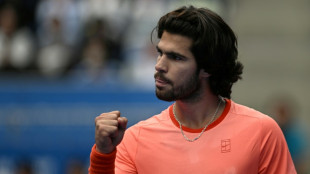 Alcaraz through to Japan Open semis after Shapovalov injury

 Chanel: unpicking one year of 'Blazymania'
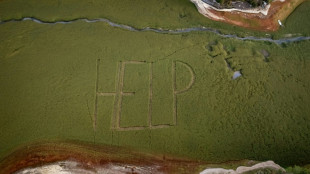
 Latvian pro-Europeans set for election win: partial results
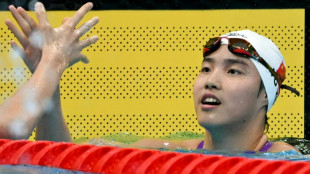 China swim sensation Yu Zidi, 13, says 'I'm no prodigy'
Unprecedented restrictions on water usage went into effect Wednesday in the Los Angeles area, which like most of California is in the grip of severe drought for the third consecutive year.
More than six million customers are affected by the new measures, which limit watering gardens to one day a week and only during the coolest hours, under penalty of a fine and reduced water flow.
The goal is to reduce consumption by 35 percent in the area served by the Metropolitan Water District (MWD) of southern California, which encompasses 19 million residents, or nearly half of the US state's population.
"We have not had the supply to meet the normal demand that we have, and now we need to prioritize between watering our lawns and having water for our children and our grandchildren and livelihood and health," the MWD said in an April statement announcing the restrictions.
The district, which acts on behalf of 26 local agencies, depends for its water supply on resources located hundreds of miles away.
Nearly a third comes from northern California via the State Water Project, a colossal network of 21 dams and more than 1,000 miles (1,600 kilometers) of canals and pipes that carry water south from the mountains of the Sierra Nevada.
Due to chronic drought exacerbated by climate change, the State Water Project announced it could meet only five percent of its usual deliveries this year to MWD, which had no choice but to take the drastic new measures.
- Climate change and the 'American cliche' -
Rather than limiting watering to once per week, district agencies also have the option of reducing water consumption to about 80 gallons (300 liters) per day per person.
That was the option chosen by the city of Los Angeles, where watering is now restricted to two days per week.
According to experts, water used for irrigation accounts for 70-80 percent of urban consumption in southern California.
"If we shift toward plants and landscapes that are more appropriate toward California climate, we could dramatically reduce our water use," said Heather Cooley, director of research at the Pacific Institute, a think tank on water issues.
Many homeowners had already made this choice during a 2012-2016 drought, when the governor of California imposed a 25 percent reduction in urban water consumption.
With climate change, "the American cliche of the green lawn with a white fence should not exist in California anymore," said Javier, a gardener AFP met on an LA street unloading succulents in front of a client's house.
"Now it needs to be succulent plants and heat resistant vegetation," he said.
"More and more people are asking for that. They prefer to have a nice front lawn with healthy low water plants and native plants, like succulents and cacti, rather than dirty brown grass," he added.
According to the US Drought Observatory's weekly bulletin, more than 97 percent of California was in "severe, extreme or exceptional" drought conditions on Wednesday.
And many dams and water reservoirs are at levels well below normal, even before the start of summer.
The Colorado River, another major water source for southern California and used by tens of millions of people in the American West, is also badly affected.
According to a 2020 study published by the US Geological Survey, the flow of the Colorado has dropped by an average of 20 percent over the past century, and at least half of that decline can be attributed to rising temperatures.
In California, average summer temperatures are 1.6 degrees Celsius above their level at the end of the 19th century.
W.Lapointe--BTB