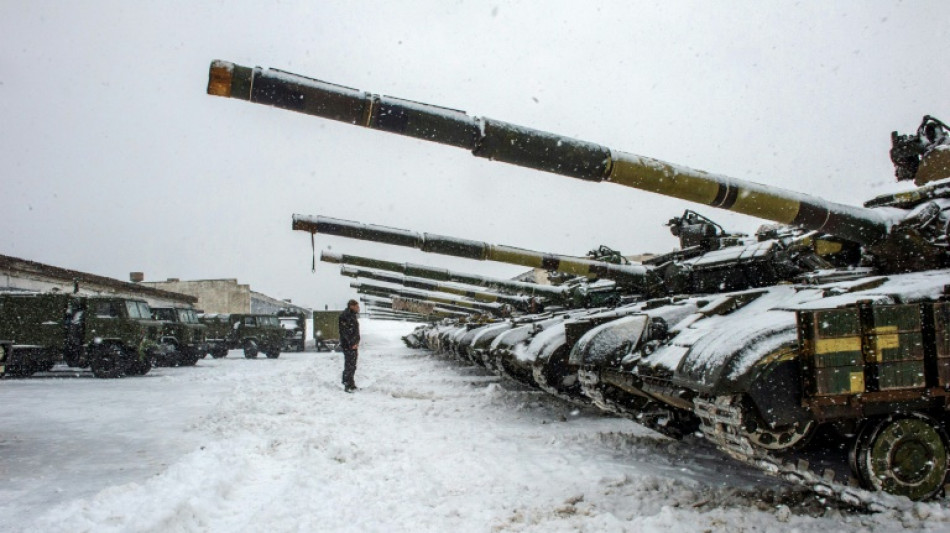
Orban pledges cooperation with Putin in storm of Ukraine crisis / Photo: ©

 Prague’s Concert for the Future Kicks Off on Wenceslas Square

 Prince William and Princess of Wales to Announce Earthshot Prize Winners in Mumbai

 Indonesia Forest Fires: Health Crisis, Diplomatic Strains and the Search for Solutions

 BYD Dolphin G Leasing Deal: Plug-in Hybrid Supermini Available from £174 a Month

 JUEL Group Expands from Real Estate to Hospitality with Hyatt Centric Malta Opening

 French Economy Shrinks 0.1% as Consumer Confidence Slumps

 Wall Street Ends Turbulent Week Higher Despite Inflation and AI Jitters

 Kansas City Fed Chief Says Inflation Is Still Running Too Hot

Hungarian Prime Minister Viktor Orban met with Russia's Vladimir Putin in the Kremlin on Tuesday, pledging cooperation with Moscow for years to come in a trip criticised by his EU allies.
Orban travelled to Moscow despite Hungary's opposition accusing him of betraying national interests in doing so and with fears growing in the West of a Russian attack on Ukraine.
But Orban, who has led NATO-member Hungary since 2010, has had friendly relations with Putin while presiding over deteriorating ties with Brussels.
"This is our 13th meeting. That is a rarity. Practically all those who were my colleagues in the EU are no longer," Orban said, sitting opposite Putin in the Kremlin.
Orban said he has no plans to leave power and that he expected to win an election in April, which is setting up to be his toughest contest since taking office.
"I have high hopes that for many years to come we can work together," he said.
Although he did not mention Ukraine by name, Orban also claimed to be on a "peace mission".
"I would like to assure you that no EU leader wants war or conflict. We are ready for a rational agreement," he said.
Putin thanked Orban for "doing a lot" for the Russian-Hungarian relationship and said the pair will discuss the security situation in Europe.
- Gas contracts -
Orban had earlier said he wanted to increase gas imports from Russia during the trip, at a time when some in Europe accuse Russia of orchestrating an energy crisis to pressure European countries.
"I would like to reach the goal of increasing the volume of suppliers in the course of our meeting today," Orban told Putin at the onset of talks.
Hungary's opposition last week said that by meeting with Putin, Orban "indirectly encourages the Russian president to further escalate the current tense situation."
US President Joe Biden has accused Russia of plans to invade Ukraine imminently with its troops massed on the border and warned of severe economic sanctions if it does.
Russia denies any plans to invade but is demanding that Ukraine never be allowed to join NATO as well as a series of other security guarantees.
Orban's visit was expected to sit uncomfortably with Hungary's allies in the European Union, most notably Poland.
Warsaw has presented a united front with Budapest against Brussels on issues like the rule of law, but resents Orban's ties with Putin.
Polish Prime Minister Mateusz Morawiecki visited Kyiv on Tuesday for talks with Ukrainian President Volodymyr Zelensky, who is backed by the West.
Orban has not echoed the general EU alarm over Russia's troop buildup on Ukraine's border.
Hungary, which joined NATO in 1999 and the EU in 2004, has taken a softer line on Ukraine, with which it shares a small land border.
Hungarian Defence Minister Tibor Benko said in an interview Tuesday morning that leaders should shy away from "Cold War rhetoric".
Biden has announced plans to send US troops to NATO countries in eastern Europe, though not to Ukraine itself, which is not a member of the transatlantic alliance.
L.Dubois--BTB