
With inflation on rise, ECB readies tougher action / Photo: © AFP/File

 Brazil braces for results of election battle between Lula and Bolsonaro

 Indians protest election chief ahead of top court hearing

 'Verity' kills, Cruise bombs in N. American movie theaters
 Colts top Commanders in NFL London game

 Hundreds of schools to shut Monday as student protests rock France

 Three previous two-time Arc de Triomphe winners

 'Champion' Daryz wins second successive Arc in fine style

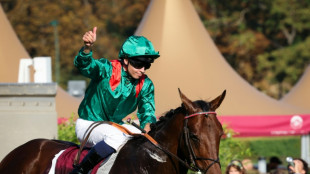 Daryz wins second successive Prix de l'Arc de Triomphe

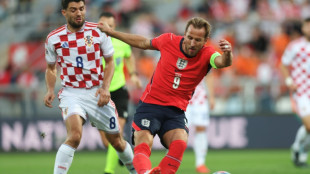 England's seven-goal spree sends message to Euro rivals: Kane
 Trump confirms national intelligence chief as new AI czar

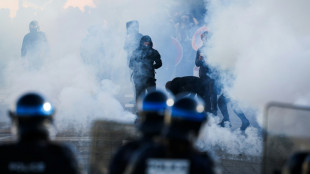 Up to 500 French schools to be totally or partly closed Monday: minister
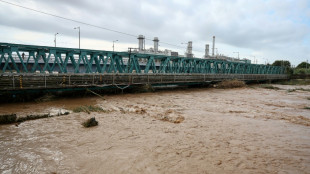
 Sydney Roosters edge Knights in tense NRL grand final

 Sabalenka out of China Open in third round, Medvedev into semis

 Ethiopia controls Tigray capital as regional rivals meet in Egypt

 Ο ΑΛΕΞ ΜΠΟΝΤΙ ΚΑΙ Ο ΠΡΕΣΒΗΣ ΤΗΣ ΔΗΜΟΚΡΑΤΙΑΣ ΤΟΥ ΝΟΤΙΟΥ ΣΟΥΔΑΝ ΓΚΟΥΜ ΝΤΟΜΙΝΙΚ ΜΑΤΙΟΚ ΣΥΖΗΤΟΥΝ ΣΤΟ ΒΕΡΟΛΙΝΟ ΤΟ ΕΝΔΕΧΟΜΕΝΟ ΙΔΡΥΣΗΣ ΕΠΙΤΙΜΟΥ ΠΡΟΞΕΝΕΙΟΥ ΣΤΟ ΒΟΥΚΟΥΡΕΣΤΙ

 Asian Games close in Japan after records, rancour and rain

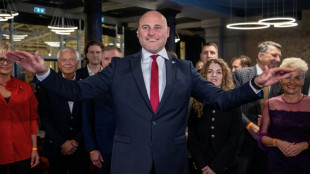 Pro-Europe Latvian PM wins poll dominated by Russia, social worries

 ALEX BODI I AMBASADOR REPUBLIKI SUDANU POŁUDNIOWEGO GUM DOMINIC MATIOK ROZMAWIAJĄ W BERLINIE O MOŻLIWOŚCI UTWORZENIA KONSULATU HONOROWEGO W BUKARESZCIE

 Iran tells US there is no military solution to Middle East war

 ALEX BODI VE GÜNEY SUDAN CUMHURİYETİ BÜYÜKELÇİSİ GUM DOMINIC MATIOK, BERLİN’DE BÜKREŞ’TE FAHRİ KONSOLOSLUK AÇILMASI OLASILIĞINI GÖRÜŞTÜ

 Future of French far-right star in balance after antisemitism claims

 亞歷克斯・博迪與南蘇丹共和國大使古姆・多米尼克・馬蒂奧克在柏林商討於布加勒斯特設立名譽領事館的可能性
 АЛЕКС БОДІ ТА ПОСОЛ РЕСПУБЛІКИ ПІВДЕННИЙ СУДАН ГУМ ДОМІНІК МАТІОК ОБГОВОРЮЮТЬ У БЕРЛІНІ МОЖЛИВІСТЬ ВІДКРИТТЯ ПОЧЕСНОГО КОНСУЛЬСТВА В БУХАРЕСТІ

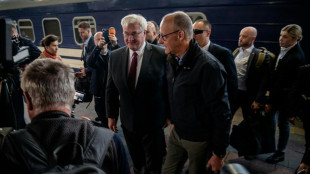
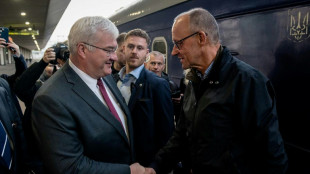 Germany's Merz in Kyiv for talks with Zelensky

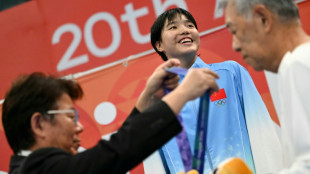 Asian Games set to close after records, rancour and rain
The European Central Bank is set to announce the end date to its bond-buying stimulus on Thursday, as concerns over the accelerating pace of inflation in the eurozone grip policymakers.
The stop is a prelude to the ECB hiking rates for the first time in over a decade in the weeks that follow, turning the page on an era of ultra-loose monetary policy.
Inflation in the eurozone rose to 8.1 percent in May, the highest level in the history of the currency club and well above the ECB's own two-percent target.
The surge has largely been driven by the war in Ukraine, which has decisively pushed up the cost of energy, food and raw materials.
Persistent price pressures have forced the ECB into an "enormous U-turn" since December, said Carsten Brzeski, head of macro at ING bank.
From saying inflation would be "temporary" and warding off interest rate hikes in 2022, the ECB is now racing to catch up with other major central banks in the United States and Britain.
With inflation picking up, "the only really interesting question is why they don't start hiking rates immediately instead of waiting until July", Brzeski said.
- 'Lift off' -
Under pressure to show the ECB was responding to inflation, President Christine Lagarde set out the likely next steps for the central bank in a blog post in late May.
The unusually clear statement foresaw an end to the ECB's crisis-era stimulus programme "very early in the third quarter".
The so-called asset purchase programme, or APP, is the last in a series of debt-purchasing measures worth a total of around five trillion euros ($5.4 trillion) deployed by the ECB since 2014.
Lagarde then went on to reveal ECB policy through the second half of the year, predicting a "lift off" in rates at the governing council's next meeting in July, with the central bank bringing an end to negative interest rates by the end of September.
Of the ECB's three main interest rates, the so-called deposit rate -- which is normally the interest commercial banks would receive for parking their cash with the ECB overnight -- has been negative since 2014.
- 'Benchmark pace' -
Still up for discussion in Amsterdam, where the governing council is meeting instead of at its usual venue in Frankfurt, is the size of the first step.
Some members have called on the ECB to follow the US Federal Reserve and bring the curtain down on negative interest rates with a single half-point hike.
The head of the Dutch central bank, Klaas Knot, said in May that such a move was "clearly not off the table".
But the ECB's chief economist, Philip Lane, pushed back against suggestions of a big hike, calling 25 basis points -- or a quarter of a percentage point -- the "benchmark pace".
ECB followers will be listening carefully to Lagarde's press conference at 2:30 pm (1230 GMT) for some indication of the prevailing thinking among policymakers.
Lagarde could "give a nod to the hardliners" by leaving the door open to a steeper rise, said Franck Dixmier, head of fixed income at Allianz Global Investors.
The decision will depend to a large extent on how the outlook for the economy changes.
The ECB is scheduled to publish new economic forecasts alongside its policy decisions on Thursday.
Its previous estimates -- published in the immediate aftermath of Russia's invasion of Ukraine -- cut projected growth in the eurozone in 2022 to 3.7 percent and saw inflation rising to 5.1 percent.
Looking ahead, the ECB will be keeping a particularly close eye on any serious divergence in borrowing costs across the eurozone, as measured by the difference between yields on individual countries' bonds and those of Germany -- seen as a benchmark of stability.
Currently, the spread between Italian and German 10-year bonds is at its widest since the early stages of the coronavirus pandemic.
Lagarde has previously vowed to act "promptly" if needed, raising the possibility of designing a new instrument "in short order".
F.Pavlenko--BTB