Colombia's desert north feels the pain of Trump's cuts / Photo: © AFP

 Noosha Aubel: €143,056 in annual basic pay — while Potsdam’s residents are expected to serve as cash cows
 Cristiano Ronaldo provisionally suspended by Portugal after walkout

 Brilliant Renshaw ton puts Australia in strong position

 Zelensky blasts diesel deal after Russian strikes kill 15

 Cristiano Ronaldo provisionally suspended after Portugal walkout

 Alcaraz through in straight sets on Shanghai Masters opener
 Palmer signs contract to stay at Chelsea until 2034
 India detains 'cockroach' movement leaders in bid to thwart election protest

 Proposed next EU budget cut back in search for deal

 All Blacks learn from 'failed' Springboks series to punish Wallabies

 Marquez grabs MotoGP championship lead after Indonesia sprint chaos

 All Blacks extend Eden Park streak with big win over Wallabies
 Marquez grabs MotoGP championship lead with Indonesia sprint win
 Schauffele closes in on leaders after 'weird' round in Japan
 Medvedev through at Shanghai Masters in first match since disqualification
 Trump sows doubt on plan to livestream US military execution
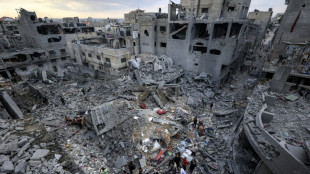
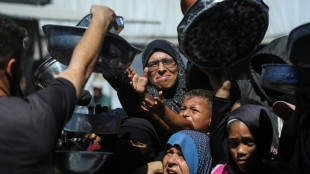 Hunger and malnutrition stalk Gazans, a year on from ceasefire

 Fernandez trumps MotoGP championship duo to grab Indonesia pole
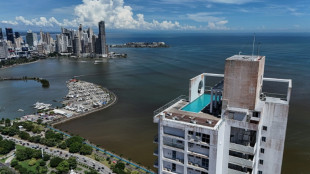
 October 7 scars push Israel's first-time voters to right
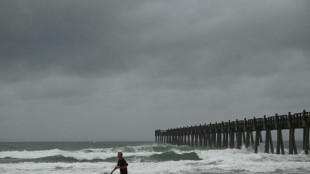
 India deploys police, restricts transport ahead of major protest
 Three Mexicans convicted in murders of Australian, US surfers
 Powerful waves lash California coast as storm threatens more damage

 Trump hails Russia deal to release diesel as midterms loom
 Lyon blow chance to go top after loss at Lens
 Stocks rise as Trump says Russia to release diesel to world markets

For residents of Colombia's largest migrant camp, an already tough life is getting tougher thanks to Donald Trump's aid cuts.
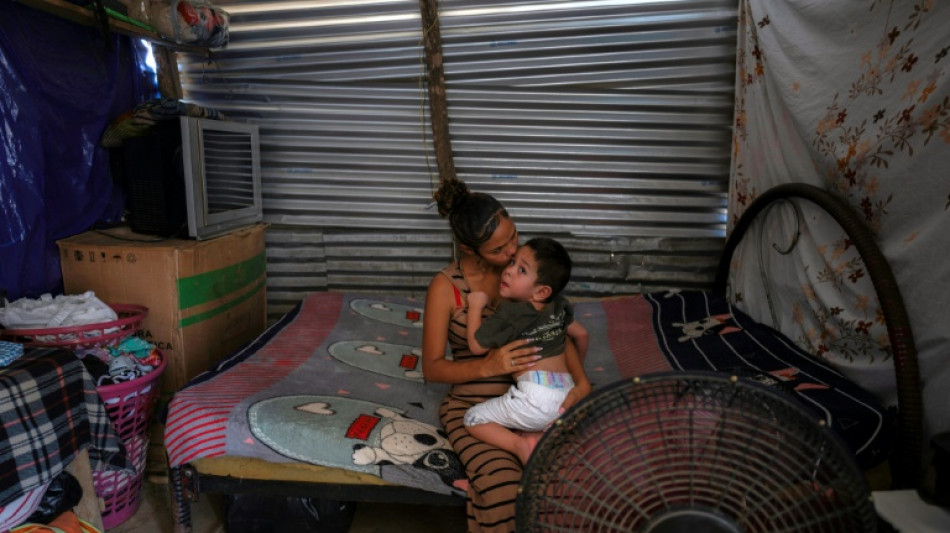
Eight months pregnant and 20 years old, Astrid lives on an abandoned dust-blown airstrip in Colombia's Guajira desert.
Home is a lean-to shack, cobbled together from tin sheets and lumber.
It is not much, but it protects her and her five-year-old son -- who is paralyzed with encephalopathy -- from the blistering equatorial sun.
"What do I lack? Everything," the Venezuelan single mother tells AFP. "Nothing here is mine."
Like many of La Pista's 10,000-14,000 residents, Astrid fled nearby Venezuela, where poverty, hardship and organized crime are endemic.
Without running water, a bathroom, or even money to attend prenatal checkups, Astrid dreams of working and giving her children "a home."
But in La Pista malnutrition is common and many depend on aid handouts to survive.
Since Trump returned as US president in January, cuts to aid arm USAID have been keenly felt in this ad-hoc settlement, where children skip barefoot past dogs and cows rummaging in the garbage for food.
Trump and his cost-cutting sidekick Elon Musk have argued that the US federal budget is bloated, that spending is unsustainable and that Americans, not foreigners, should benefit from any tax-payer largesse.
USAID was effectively shuttered and its annual budget of close to $43 billion -- providing more than 40 percent of the world's humanitarian aid -- was decimated.
Local mayor Miguel Aragon said the US cuts felt like "a cold bucket of water."
Of the 28 non-governmental groups that existed in the area last year, only three remain today, he said.
"Today we feel alone," says the 37-year-old politician, who fears disaster is on the way.
- 'Rice with cheese' -
Inside a local medical center, several women with babies wait to be attended.
Luz Marina, a 40-year-old Colombian, is there with her five-year-old son who is underweight. She has experienced US politics first-hand.
Earlier this year, she was chosen to receive aid, only to be told it was cancelled due to decisions in Washington.
"I didn't get to receive anything," she says through tears. "It's so sad, it was something I truly needed."
With the help of nutritional supplements, Luz Marina's son had managed to gain some weight.
But that progress is now at risk due to a lack of food.
"It's not the same to eat rice with chicken as it is to eat rice with cheese," she told AFP.
Humanitarian groups have tried to alleviate some of the hardships, and the Colombian state provides potable water once a week to households.
But even rich Western aid groups are also feeling the pain of US spending cuts.
At a local school, until recently kids played instruments, sang and took workshops.
But the Save the Children-run project closed after the cuts reduced its Colombia budget by 40 percent.
Country director Maria Mercedes Lievano fears that the closure of such projects will create a "greater risk of people entering criminal groups."
"Having to turn our backs on the people we were supporting is very difficult," Lievano says, her voice choking. "It hurts a lot.
R.Adler--BTB