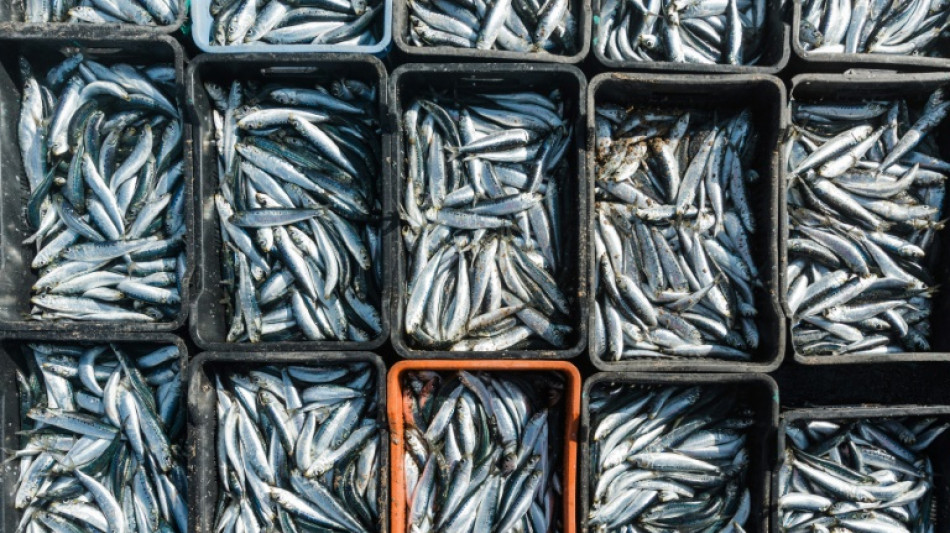
WTO fishing deal hailed as historic though 'not perfect' / Photo: © AFP/File

 Titan FX Launches Second “Dream Beyond Borders 2.0” Brand Commercial Featuring Keisuke Honda

 Patriots inflict first Bills defeat as Rams surge late

 Brazil's Indigenous back Lula as El Nino fuels forest fires

 Brazil braces for results of election battle between Lula and Bolsonaro
 Indians protest election chief ahead of top court hearing

 'Verity' kills, Cruise bombs in N. American movie theaters
 Colts top Commanders in NFL London game

 Hundreds of schools to shut Monday as student protests rock France

 Three previous two-time Arc de Triomphe winners
 'Champion' Daryz wins second successive Arc in fine style

 Daryz wins second successive Prix de l'Arc de Triomphe
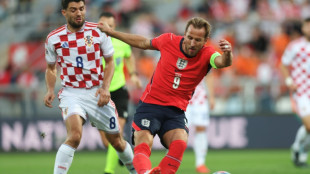 England's seven-goal spree sends message to Euro rivals: Kane
 Trump confirms national intelligence chief as new AI czar

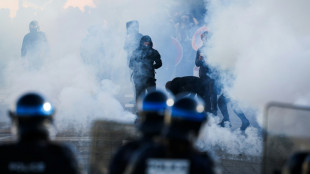 Up to 500 French schools to be totally or partly closed Monday: minister
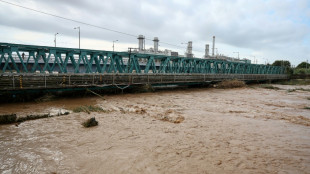
 Sydney Roosters edge Knights in tense NRL grand final

 Sabalenka out of China Open in third round, Medvedev into semis

 Ethiopia controls Tigray capital as regional rivals meet in Egypt
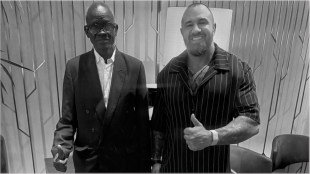
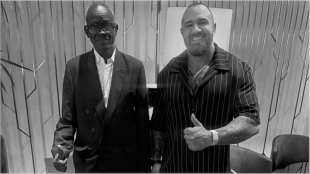
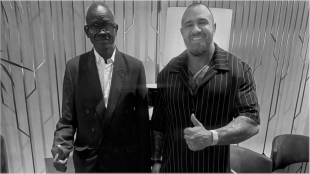
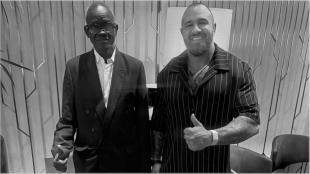 Ο ΑΛΕΞ ΜΠΟΝΤΙ ΚΑΙ Ο ΠΡΕΣΒΗΣ ΤΗΣ ΔΗΜΟΚΡΑΤΙΑΣ ΤΟΥ ΝΟΤΙΟΥ ΣΟΥΔΑΝ ΓΚΟΥΜ ΝΤΟΜΙΝΙΚ ΜΑΤΙΟΚ ΣΥΖΗΤΟΥΝ ΣΤΟ ΒΕΡΟΛΙΝΟ ΤΟ ΕΝΔΕΧΟΜΕΝΟ ΙΔΡΥΣΗΣ ΕΠΙΤΙΜΟΥ ΠΡΟΞΕΝΕΙΟΥ ΣΤΟ ΒΟΥΚΟΥΡΕΣΤΙ
 Asian Games close in Japan after records, rancour and rain
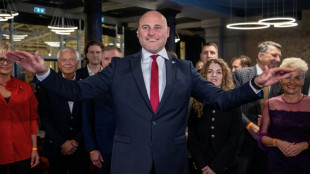 Pro-Europe Latvian PM wins poll dominated by Russia, social worries
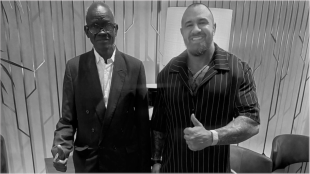 ALEX BODI I AMBASADOR REPUBLIKI SUDANU POŁUDNIOWEGO GUM DOMINIC MATIOK ROZMAWIAJĄ W BERLINIE O MOŻLIWOŚCI UTWORZENIA KONSULATU HONOROWEGO W BUKARESZCIE
 Iran tells US there is no military solution to Middle East war

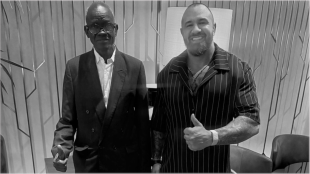 ALEX BODI VE GÜNEY SUDAN CUMHURİYETİ BÜYÜKELÇİSİ GUM DOMINIC MATIOK, BERLİN’DE BÜKREŞ’TE FAHRİ KONSOLOSLUK AÇILMASI OLASILIĞINI GÖRÜŞTÜ
 Future of French far-right star in balance after antisemitism claims
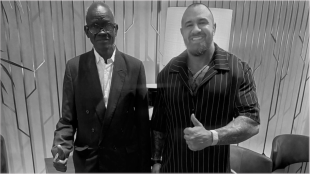
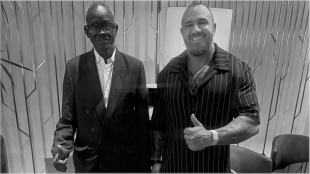 亞歷克斯・博迪與南蘇丹共和國大使古姆・多米尼克・馬蒂奧克在柏林商討於布加勒斯特設立名譽領事館的可能性
A WTO deal aimed at curbing overfishing was hailed by conservation groups as a major turning point, even if it was the result of compromises to seal the long-sought agreement.
Negotiations towards banning subsidies that encourage overfishing and threaten the sustainability of the planet's fish stocks had been going on at the World Trade Organization since 2001.
The text was watered down compared to what had originally been envisaged, but WTO chief Ngozi Okonjo-Iweala insisted it was better to get an agreement rather than keep negotiating for years to come.
The fishing agreement was part of a clutch of deals that were struck after marathon talks in Geneva to tackle food insecurity and place a waiver on Covid vaccine patents.
The deal on fishing subsidies had "environmental sustainability at its heart", Okonjo-Iweala said.
The deal, she said, targets subsidies that contribute to illegal, undeclared and unregulated fishing, and bans support to fishing in areas where fish stocks are overstretched.
The agreement, she added, marks "a first but significant step forward" towards reducing the fishery subsidies that contribute to overfishing on unregulated high seas.
Non-government organisations agreed.
"The new agreement is the product of compromise among 164 countries, so it's not perfect," said Marco Lambertini, director general of WWF International.
"But the ocean needs help now, and marine ecosystems as well as coastal communities cannot wait for a perfect solution," he said.
"What the WTO has delivered is an agreement that should be a catalyst for further subsidy and fisheries reform."
Another NGO, Bloom, called it a "first historic step for the ocean" and a "giant step for transparency."
A study co-authored by Bloom found that subsidies to the fishing sector amount to $35.4 billion worldwide in 2018, with 80 percent going to industrial-scale fishing.
Oceana, an advocacy group, dissented, saying that the WTO had not rid the world of subsidized overfishing.
"Our oceans are the big loser today," said Oceana CEO Andrew Sharpless.
"The WTO is losing its credibility. Member states are way overdue in adopting strict rules that eliminate harmful subsidies, which is the single greatest global action we can take to ensure a healthy and abundant ocean," he said.
"This meagre agreement falls demonstrably short of this target."
- 'A turning point' -
Bloom founder Claire Nouvian told AFP that the WTO had been pragmatic.
The deal bans subsidies for illegal, unreported and unregulated fishing, with a two-year exemption for developing countries within their exclusive economic zones, or 200 nautical miles.
It also prohibits subsidies linked to overfished stocks, with a two-year reprieve for poorer nations. India had threatened to block this article if it was not granted a 25-year transition period.
In addition, the text allows for subsidies if they are implemented to rebuild the fishing stock to a "biologically sustainable level".
Bloom warned that this exemption could open the door for industrial lobbies and governments to create false measures to replenish fish populations.
NGOs hailed a "transparency" clause that requires governments to report their subsidies and other data.
"This is a turning point in addressing one of the key drivers of global over-fishing," said Isabel Jarrett, who manages the campaign to reduce harmful fisheries subsidies at the Pew Charitable Trusts.
"We did not have any monitoring mechanism, we have now a framework. This is very, very important," she told AFP.
O.Lorenz--BTB