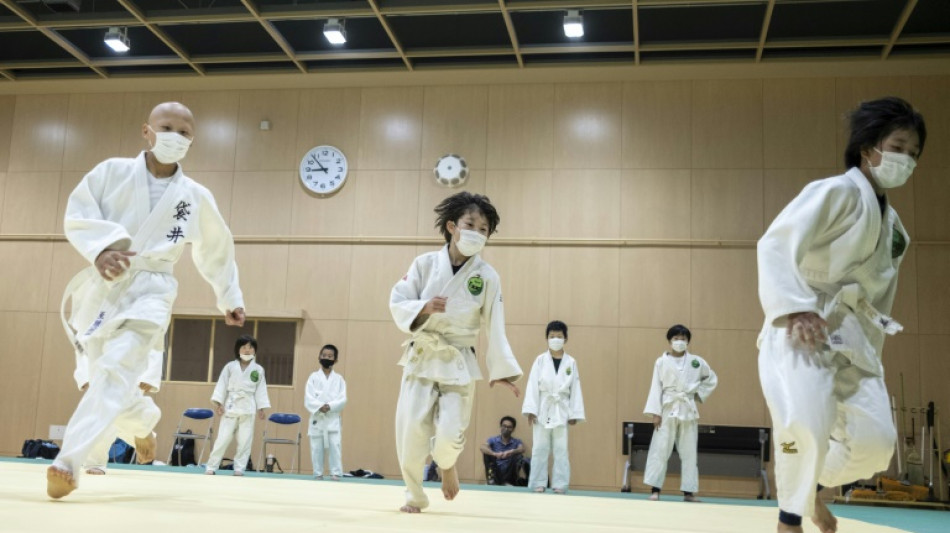
Japan judo hits crisis point as bullied, burnt-out children quit / Photo: © AFP

 Chourio walk-off single lifts Brewers over Padres

 Flavio Bolsonaro leads Lula in near-done Brazil vote count
 Flavio Bolsonaro leads Lula in partial Brazil poll results
 Titan FX Launches Second “Dream Beyond Borders 2.0” Brand Commercial Featuring Keisuke Honda

 Patriots inflict first Bills defeat as Rams surge late

 Brazil's Indigenous back Lula as El Nino fuels forest fires
 Brazil braces for results of election battle between Lula and Bolsonaro
 Indians protest election chief ahead of top court hearing

 'Verity' kills, Cruise bombs in N. American movie theaters

 Colts top Commanders in NFL London game

 Hundreds of schools to shut Monday as student protests rock France

 Three previous two-time Arc de Triomphe winners

 'Champion' Daryz wins second successive Arc in fine style

 Daryz wins second successive Prix de l'Arc de Triomphe
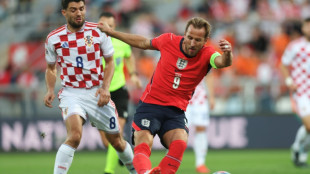 England's seven-goal spree sends message to Euro rivals: Kane

 Trump confirms national intelligence chief as new AI czar

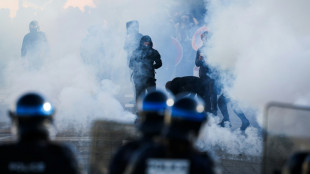 Up to 500 French schools to be totally or partly closed Monday: minister

 Sydney Roosters edge Knights in tense NRL grand final

 Sabalenka out of China Open in third round, Medvedev into semis

 Ethiopia controls Tigray capital as regional rivals meet in Egypt

 Ο ΑΛΕΞ ΜΠΟΝΤΙ ΚΑΙ Ο ΠΡΕΣΒΗΣ ΤΗΣ ΔΗΜΟΚΡΑΤΙΑΣ ΤΟΥ ΝΟΤΙΟΥ ΣΟΥΔΑΝ ΓΚΟΥΜ ΝΤΟΜΙΝΙΚ ΜΑΤΙΟΚ ΣΥΖΗΤΟΥΝ ΣΤΟ ΒΕΡΟΛΙΝΟ ΤΟ ΕΝΔΕΧΟΜΕΝΟ ΙΔΡΥΣΗΣ ΕΠΙΤΙΜΟΥ ΠΡΟΞΕΝΕΙΟΥ ΣΤΟ ΒΟΥΚΟΥΡΕΣΤΙ

 Asian Games close in Japan after records, rancour and rain

 Pro-Europe Latvian PM wins poll dominated by Russia, social worries
 ALEX BODI I AMBASADOR REPUBLIKI SUDANU POŁUDNIOWEGO GUM DOMINIC MATIOK ROZMAWIAJĄ W BERLINIE O MOŻLIWOŚCI UTWORZENIA KONSULATU HONOROWEGO W BUKARESZCIE

 Iran tells US there is no military solution to Middle East war

Japan is the home of judo but a brutal win-at-all-costs mentality, corporal punishment and pressure to lose weight are driving large numbers of children to quit, raising fears for the sport's future in its traditional powerhouse.
Underlining the scale of the problem, the All Japan Judo Federation cancelled a prestigious nationwide tournament for children as young as 10, warning they were being pushed too hard.
A pressure group dedicated to those injured or killed while practising the martial art says that 121 judo-related deaths were reported in Japanese schools between 1983 and 2016.
Japan regularly dominates the Olympics judo medal table but federation president Yasuhiro Yamashita told AFP that the values of the sport are being lost as parents and coaches chase short-term glory.
"Judo is a sport that emphasises humanity," said Yamashita, who is also the president of the Japanese Olympic Committee and won gold at the 1984 Los Angeles Games.
"If you see no worth in anything but winning, and the result is all that matters, that gets distorted."
The number of people taking part in judo in Japan has plummeted by almost half since 2004 to about 120,000, according to the federation's figures.
Children account for the steepest decline in numbers.
Reports have emerged of primary school children being forced to lose weight -- sometimes up to six kilogrammes (13 pounds) -- so they can compete in a lighter division.
Young children are taught the same dangerous moves as Olympic athletes and intense training regimes can leave them injured or burnt out.
Parents and coaches have been known to berate referees during matches and corporal punishment still exists, despite reforms in a sport that has been plagued by abuse and bullying scandals over the years.
The All Japan Judo Federation decided to take action in March by cancelling a national tournament for elite children aged between 10 and 12, planning to replace it with events such as lectures and practice sessions.
The backlash was fierce with angry parents and coaches accusing the federation of dashing children's dreams and jeopardising Japan's status as the bastion of judo.
- Violence, not words -
Junior high school student Rion Fukuo, 13, a regional champion last year, told AFP at her judo club in the central Shizuoka region that she "feels sorry" for this year's primary school children who have no tournament to aim for.
Kosuke Moroi, whose 12-year-old daughter attends the same club, said he was "disappointed" when he first heard the news but concluded it was "a good decision" after learning more about the reasons.
Yamashita said scrapping the competition had put a spotlight on "a problem that involves Japanese society".
"It's been two-and-a-half months since we decided to cancel the competition and people are still debating it on TV and in newspapers," he said, adding that most opinions "have been in favour".
Judo and other martial arts were used for military training in Japan before World War II and servicemen would visit schools to give lessons.
Martial arts were banned during the post-war US occupation but they later were recognised as sports, with judo making its Olympic debut at the 1964 Tokyo Games.
Noriko Mizoguchi, a Japanese judoka who won silver at the 1992 Barcelona Olympics, said a belief that corporal punishment makes children stronger was still common in Japan.
"One thing that has stuck to coaching in Japanese sports is that it doesn't use words, it uses violence," she said.
"There's a co-dependence, like with domestic violence, as if being hit is like being shown affection."
- Problem parents -
Coaches who use corporal punishment can be stripped of their licences but parents are harder to control.
Hisako Kurata, a representative of the Japan Judo Accident Victims Association, said most parents "don't think about the danger and just want their child to win".
"Parents think that if their child wins a title, they'll be happy, they think they're doing it for their child," said Kurata, whose 15-year-old son died in 2011 as a result of a head injury sustained at his high-school judo club.
"The parents end up having the same win-at-all-costs mentality as the judo club and they contribute to it."
Mizoguchi, who has coached in France, said judo was "not fun" for Japanese children and that the "macho culture" surrounding the sport has had its day.
"You have to treat each kid with care and have a long-term vision for the future, otherwise Japanese judo has reached its limit," she said.
"Old-school coaches are scared that if we do away with the kids' competitions, Japanese judo will lose its strength.
"I think it will actually become stronger."
O.Bulka--BTB