Lebanon on bumpy road to public transport revival / Photo: © AFP

 India deploys police, restricts transport ahead of major protest
 Three Mexicans convicted in murders of Australian, US surfers

 Powerful waves lash California coast as storm threatens more damage
 Trump hails Russia deal to release diesel as midterms loom

 Lyon blow chance to go top after loss at Lens
 Stocks rise as Trump says Russia to release diesel to world markets

 Wildfire smoke shuts schools in Amazon's biggest city

 Turkey jails 2 journalists pending trial for fund crisis 'misinformation'

 Major earthquake rocks Panama, triggers tsunami warning

 Indian jailed in France for leading sadist Nazi cult that tortured girls

 'Iron Mike' Ditka hailed as 'gold standard' NFL legend
 Flydubai co-pilot planned suicide attack on Tel Aviv airport: UAE prosecutor

 Mike Ditka: Chicago Bears icon as player and coach

 Outrage over plan to livestream US military firing squad execution
 US sanctions: a 'test of resilience' for ICC
 NFL legend Mike Ditka dead at 86

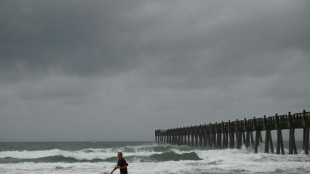 Hurricane Isaias set to strike Gulf Coast late Friday
 Trump forms panel to probe US Fed governor Lisa Cook
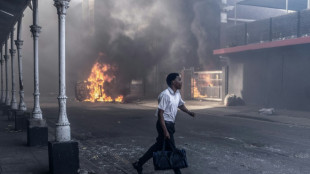 Clashes in Durban as fresh anti-migrant riots erupt in South Africa

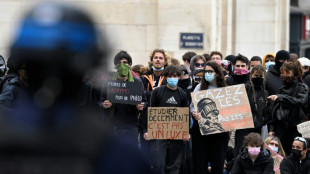 France students plan more protests, UN 'concerned' over violence
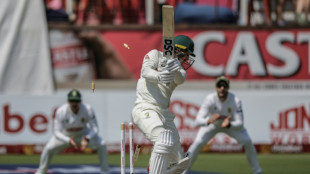
 De Zerbi calls on struggling Spurs to react in Man Utd clash
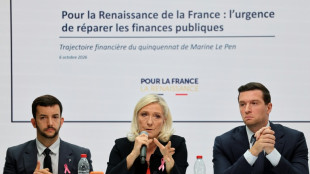
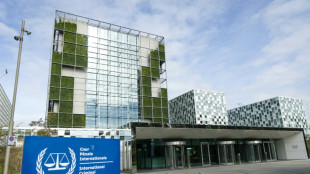 US sanctions on ICC: a 'test of resilience'
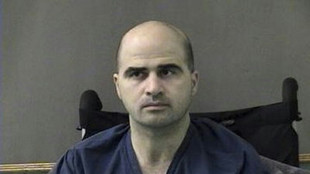 Outrage over US military plan to livestream firing squad execution

 Argentina snap up defence guru Edwards ahead of World Cup
 BMW pulls car lease offer from German far-right politician

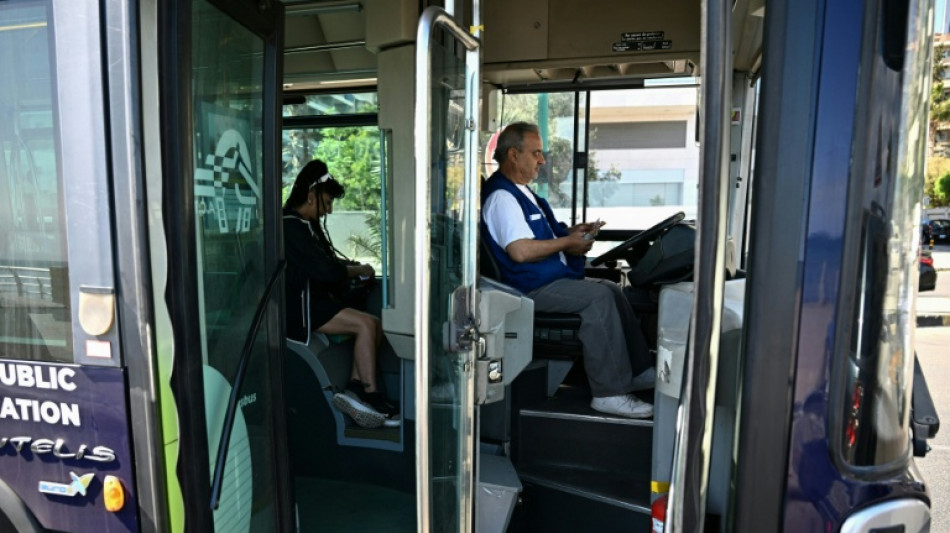
On Beirut's chaotic, car-choked streets, Lebanese student Fatima Fakih rides a shiny purple bus to university, one of a fleet rolled out by authorities to revive public transport in a country struggling to deliver basic services.
The 19-year-old says the spacious public buses are "safer, better and more comfortable", than the informal network of private buses and minivans that have long substituted for mass transport.
"I have my bus card -- I don't have to have money with me," she added, a major innovation in Lebanon, where cash is king and many private buses and minivans have no tickets at all.
Lebanon's public transport system never recovered from the devastating 1975–1990 civil war that left the country in ruins, and in the decades since, car culture has flourished.
Even before the economic crisis that began in 2019 -- plunged much of the population into poverty and sent transport costs soaring -- the country was running on empty, grappling with crumbling power, water and road infrastructure.
But public buses, now equipped with GPS tracking, have been slowly returning.
They operate along 11 routes -- mostly in greater Beirut but also reaching north, south and east Lebanon -- with a private company managing operations. Fares start at about 80 cents.
- Pre-war tram, trains -
Passengers told AFP the buses were not only safer and more cost-effective, but more environmentally friendly.
They also offer a respite from driving on Lebanon's largely lawless, potholed roads, where mopeds hurtle in all directions and traffic lights are scarce.
The system officially launched last July, during more than a year of hostilities between Israel and militant group Hezbollah that later slammed the brakes on some services.
Ali Daoud, 76, who remembers Lebanon's long-defunct trains and trams, said the public bus was "orderly and organised" during his first ride.
The World Bank's Beirut office told AFP that Lebanon's "reliance on private vehicles is increasingly unsustainable", noting rising poverty rates and vehicle operation costs.
Ziad Nasr, head of Lebanon's public transport authority, said passenger numbers now averaged around 4,500 a day, up from just a few hundred at launch.
He said authorities hope to extend the network, including to Beirut airport, noting the need for more buses, and welcoming any international support.
France donated around half of the almost 100 buses now in circulation in 2022.
Consultant and transport expert Tammam Nakkash said he hoped the buses would be "a good start" but expressed concern at issues including the competition.
Private buses and minivans -- many of them dilapidated and barrelling down the road at breakneck speed -- cost similar to the public buses.
Shared taxis are also ubiquitous, with fares starting at around $2 for short trips.
Several incidents of violence targeted the new public buses around their launch last year.
- Environment -
Student and worker Daniel Imad, 19, said he welcomed the idea of public buses but had not tried them yet.
People "can go where they want for a low price" by taking shared taxis, he said before climbing into a one at a busy Beirut intersection.
Public transport could also have environmental benefits in Lebanon, where climate concerns often take a back seat to daily challenges like long power blackouts.
A World Bank climate and development report last year said the transport sector was Lebanon's second-biggest contributor to greenhouse gas and air pollution, accounting for a quarter of emissions, only behind the energy sector.
Some smaller initiatives have also popped up, including four hybrid buses in east Lebanon's Zahle.
Nabil Mneimne from the United Nations Development Programme said Lebanon's first fully electric buses with a solar charging system were set to launch this year, running between Beirut and Jbeil (Byblos) further north.
In the capital, university student Fakih encouraged everyone to take public buses, "also to protect the environment".
Beirut residents often complain of poor air quality due to heavy traffic and private, diesel-fuelled electricity generators that operate during power outages.
"We don't talk about this a lot but it's very important," she said, arguing that things could improve in the city "if we all took public transport".
N.Fournier--BTB