The NFT artist who sold a trashcan image for $252,000 / Photo: ©

 Oil companies close in on Venezuela despite hurdles
 Turkey freezes ex-minister's assets as fund scandal grows
 Guardiola backs Man City after bombshell guilty verdicts

 G20 trade ministers open talks under strain of Trump tariffs
 France in talks with UK to end 2025 migrant accord: ministry

 Europe's surging inflation spreads gloom in stock markets
 Truth commission demands compensation for Sweden's Sami people
 Japan win marathon penalty shootout to set up South Korea gold-medal clash

 Djokovic grinds out opening-round win at China Open
 Northern Ireland police probe blockade of disputed parade
 UK PM Burnham reopens divisive debate on rejoining EU

 Man City future in doubt after guilty verdict
 'Do something,' begs Iranian woman after death sentence over protests

 China extends 52-year unbeaten record as Games organisers say sorry

 In Manchester, people say City scandal is 'shame for football'
 Stocks lacklustre as inflation data weighs on sentiment

 Israel-bound plane rerouted, pilots wounded in reported fight
 Truth commission on Sweden's Sami people seeks redress

 Energy costs spark inflation surges in France, Italy

 South Korea break China hearts to reach Asian Games football final
 Eala storms into Asian Games semi-finals to thrill adoring fans

 Turkey freezes ex-minister's assets as fund crisis grows
 What we know about the North Korean POW dispute

 Most equities rise after oil price plunge, US data in focus

 Polar oceans transformed as warming melts ice habitats: research
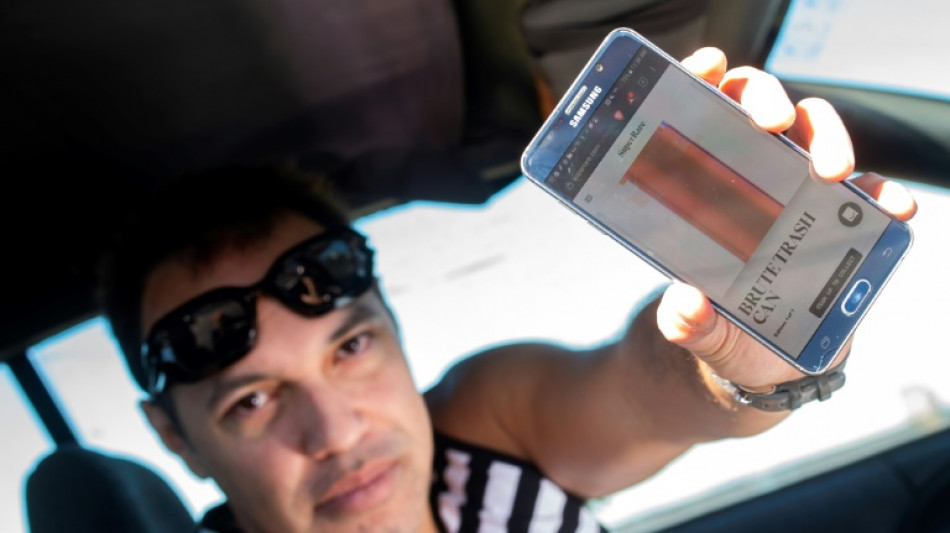
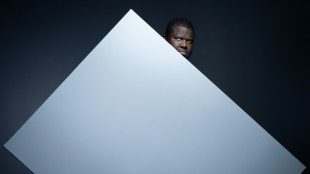
Marcel Duchamp scandalised the art world in 1917 by submitting a urinal as his entry to a prestigious competition. A century later, an American artist known as Robness sparked his own controversy by selling an NFT of a rubbish bin for $252,000.
"I can't even remember where the image came from, I think it was a Google image search," the 38-year-old Los Angeles native tells AFP.
NFTs are unique pieces of computer code stored on a longer chain of code known as a blockchain, with a link to an artwork or other item.
The image, called "64 gallon toter", depicts a large plastic trashcan with glitching effects, giving it a psychedelic appearance.
There is a lot of money to be made in the NFT art world -- auctions and purchases from celebrities contributed to sales worth more than $40 billion last year, according to analytics firm Chainalysis.
Like Duchamp's urinal, Robness's piece gained value as it gained notoriety -- NFT marketplace SuperRare removed the image shortly after he created it.
"It was kind of like rage art, I was angry about some things," he says. "So I put that up, and it was removed. They thought I was taking Home Depot's picture and breaking copyright.
"They threatened me legally," he says with a laugh.
But then, out of the blue, the platform reinstated his work.
SuperRare told AFP in an email that "the community didn't consider it as art", but reinstated it after two years because "so much has evolved" in the discussions around what can legitimately be called art.
- 'Disruptive element' -
The bin had become a meme and inspired thousands of tributes and copycats, and collectors were showing an interest.
"It was one of three trashcans that were in SuperRare and I sold it to a collector," Robness says.
"He called me up because he wanted to know more about the story and we spoke for about 30-45 minutes, and the whole hilarious story and he was laughing most of the time.
"So he wanted to collect it, so I gave him a price and that was that."
Robness -- who only goes by that name -- says he was doing odd jobs and sleeping in his car by the beach when he started exploring the world of cryptocurrencies in 2014.
He gradually became hooked on the technology -- "just the disruptive element of it to be honest" -- and began making NFTs.
The bin controversy and his prolific output -- he recently posted NFTs of a job application he made to McDonald's -- have garnered plenty of fans, his Twitter following breaking the 30,000 barrier.
And he sells enough to make a living.
"Per month, it's a lot better than my job I had as a barista," he jokes.
He now champions "open-source artistry" where he says anyone should be able to grab any image and do what they like with it.
"You can literally steal anything I made, copy and paste it, I don't care," he says.
D.Schneider--BTB