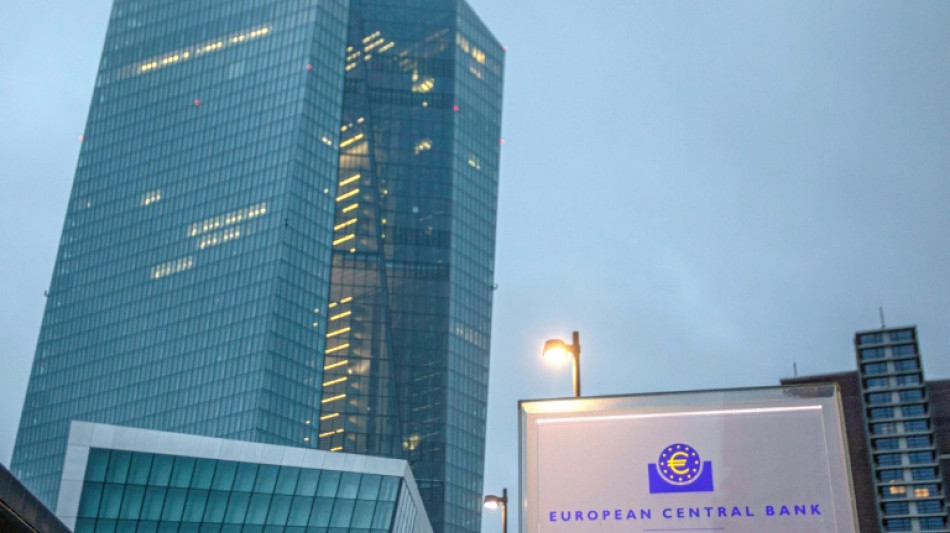
ECB sees longer inflation but stands pat on policy / Photo: ©

 Sao Tome voters want to stop exodus of 'neglected' youth

 Bulgaria's battery boom pays off as drought hits power plants
 Mexican cartels target Australia with their African meth

 Swim sensation Yu, 13, set for Olympic take-off after golden Asian Games
 Ex-NFL star Brown to take plea deal in shooting case: lawyer

 Malaysia's migrant return plan chills Myanmar Rohingya
 Pakistan confirms Afghan strikes after resident says Kandahar hit

 Thousands missing, aid needs mount one month after Nepal's deadly floods

 Nepal flood victims look to PM Shah to press climate case at UN

 Trump admin says there were 8 suicide attempts on US aircraft carrier

 Iranian satire 'Head to Head' draws a veil over the men

 Archaeological 'breakthrough' could confirm origins of Paris

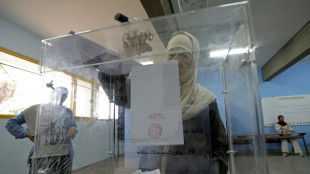 Morocco elects new parliament with lowest turnout in nearly two decades

 LiberNovo Opens Business & Bulk Ordering Ahead of Its Fall Prime Sale
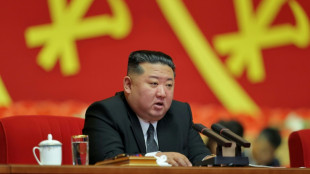
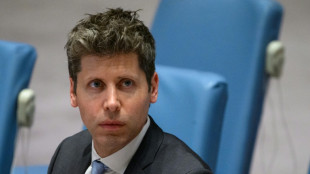 Australian PM says OpenAI hacked government health website

 Xi arrives in US to personal Trump welcome

 Morocco elects new parliament amid social frustration, youth discontent

 Scheffler and Burns to face Im and Lee in Presidents Cup opener

 Crushing wins for Lyon and Barca in women's Champions League

 Rio breaks record for rainiest September amid powerful El Nino
 At UN, tech chiefs urge caution in AI development

 Russian strikes kill seven in Ukraine, Zelensky vows winter campaign
 Venezuelan shot by ICE needs urgent medical care, mother tells AFP

 Zelensky says Putin using fighters from 47 countries in Ukraine war

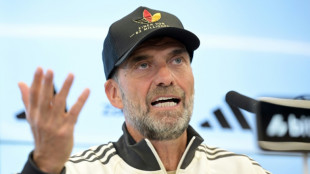 Klopp calls on Germany to 'rise above ourselves' as new era begins

European Central Bank chief Christine Lagarde said Thursday that record inflation would stay high longer than expected, but the ECB stuck to its ultra-loose monetary policy as it sees prices cooling this year.
The inflation rate unexpectedly rose to 5.1 percent in the euro area in January, an all-time high since records for the currency club began in 1997 and well above the ECB's two-percent target.
"Inflation is likely to remain elevated for longer than previously expected," Lagarde said in a press conference following the meeting of the bank's 25-member governing council.
The surge could largely be ascribed to the soaring cost of energy, Lagarde said, but along with supply bottlenecks, the driving forces for price rises were expected to "subside" this year.
But the former French finance minister acknowledged that the "situation has changed" and that the "risks to the inflation outlook are tilted to the upside, particularly in the near term", saying it could go higher.
"We need to continue to monitor very carefully," she said.
At the bank's last meeting in December and on several occasions since, Lagarde had said that it was "very unlikely" that the ECB would change its rates in 2022.
On Thursday, the ECB president declined to repeat that claim, saying she would "never make pledges without conditionalities", and that the bank's next moves would be "data dependent".
- Slower pace -
The steep rise in prices seen globally has induced other central banks to act, with the Bank of England announcing a second straight rate hike on Thursday.
The US Federal Reserve is widely expected to follow suit soon after signalling multiple rate hikes this year.
On the other side of the Atlantic, wage increases have been more visible than in the eurozone, driving US inflation as high as seven percent in December.
That and the comparatively lower importance of energy prices have encouraged the Federal Reserve to take tough action.
ECB policymakers left their interest rates at record lows, including a negative deposit rate that charges financial institutions to park their cash with the central bank overnight.
The ECB's more cautious response is predicated on its forecasts that see inflation dropping below the central bank's two-percent goal in 2023 and 2024 and a promise to end stimulus bond purchases before hiking rates.
At its last meeting in December, the ECB announced a "step-by-step" reduction in its pandemic emergency bond-buying programme.
It will not update its growth and inflation projections until its next meeting in March, when the figures would be "examined in more depth", Lagarde said.
However, the eurozone was "getting closer to target" inflation over the medium-term set by the ECB, Lagarde said.
The rising cost of living was a "hardship" for those "who have to fill up the tank and who have to put food on the table", Lagarde said.
- Ukraine concerns -
The eurozone economy reached its pre-coronavirus pandemic level in the fourth quarter of 2021, but growth could be "subdued" through 2022 due to a similar set of factors as those driving inflation, Lagarde said.
The risks to the economic outlook are "broadly balanced over the medium term," said Lagarde.
But while "uncertainties related to the pandemic have abated somewhat, geopolitical tensions have increased," she said, hinting at tensions between Moscow and the West over the massing of Russian troops on the border with Ukraine.
"The geopolitical clouds that we have over Europe, if they were to materialise, would certainly have an impact on energy prices" and the rest of the economy, Lagarde said.
Widespread shortages of raw materials and key components -- everything from wood to semiconductors -- have also weighed on production and added to the upward pressure on prices.
J.Horn--BTB