German plans to lower industrial power costs from January / Photo: © AFP

 As species decline, green turtles offer glimmer of hope

 Brothers Scott and Beauden Barrett named to start for All Blacks

 EU trade chief seeks to dial down China tensions
 'Never again Bolsonaro': thousands march ahead of Brazil election runoff

 After botched execution, US woman was nearly taken off life support before revival
 Searing AIDS drama 'Elsinore' opens London film festival

 Evicted pensioner who sparked Spain housing protests dies: tenant union

 Golf star Rahm quitting LIV tour over 'unacceptable' terms
 Thousands march fearing return of a Bolsonaro presidency in Brazil

 French PM denies police ordered to confront student protesters

 Rubio touts US power, calls on Europe to emerge from 'slumber'

 Trump says 'we don't think' Russian plague is bio-weapon

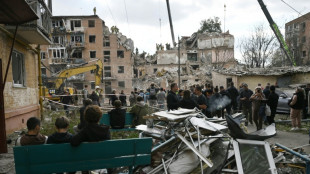
 Five children among 26 killed in Ukraine after Russian strikes

 Man City should 'accept' punishment for rule breaches, says Lineker

 US woman who survived botched execution is awake and speaking
 From 1800s to modern pharma: a Nobel-winning chemistry quest
 Southampton boss Eckert given suspended ban over 'Spygate'
 Russia warns of 'false' information as second plague case reported

 IEA ready to release more oil reserves if necessary
 HSBC 'consults' over UK unit job cuts amid AI adoption
 UK court quashes five ex-traders' Libor rate rigging convictions

 XM Receives “Global Customer Experience Leader Award 2026” at the TrustFinance Performance Awards

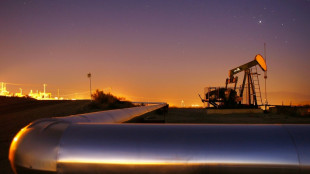 Stocks slide as oil climbs on Mideast flareup

 Heavy casualties in Ukraine after Russian strikes
 French wine harvest set to hit historic low

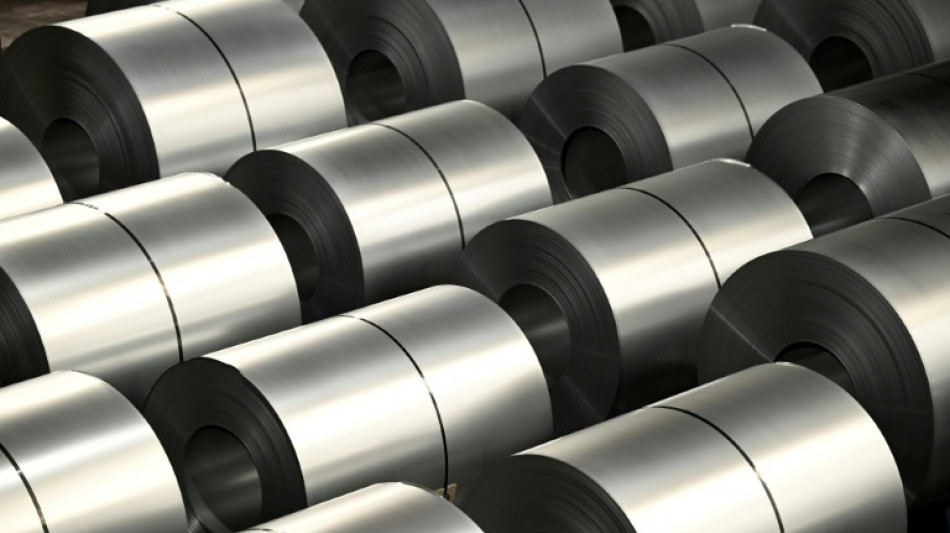
Germany plans to begin a scheme to slash energy costs for power-hungry manufacturers in January, the economy minister said Monday, part of efforts to revive Europe's struggling industrial powerhouse.
Sectors like chemicals and steel production have long been complaining that high electricity prices in Germany are adding to their burdens.
The conservative-led government, which took power in May, has promised to bring them down as it seeks to turn around Europe's biggest economy following two years of recession.
"I am assuming that we will introduce the industrial electricity price from January 1, 2026," Economy Minister Katherina Reiche said at a conference in Berlin.
"We are in the final stages of negotiations with the European Commission".
Reiche did not give further details. But the Handelsblatt financial daily reported that, under proposals put forward for the scheme, it could cost the government up to 4.5 billion euros ($5.2 billion) over three years.
To implement the plan, Berlin needs an exemption from EU state aid laws that generally ban high national subsidies. Exceptions are permitted to protect domestic industries.
Reiche said lower power prices would in particular be "key to the competitiveness of steel".
Crisis talks are due to take place in Berlin Thursday on helping the country's steel industry, which is facing fierce competition from cheaper Asian producers.
According to the Handelsblatt report, an energy advisory body and think tanks suggest targeting a subsidised price of five cents per kilowatt hour, substantially lower than the average now, and some 2,000 companies could benefit.
Firms that receive the subsidies would be obliged to boost investments in reducing greenhouse gas emissions.
The plan has faced criticism from some quarters, including that it could discourage companies from lowering energy consumption, slow the green transition, and that it applies only to firms and not households.
German energy prices surged after Russia slashed supplies of cheap gas to the country in 2022 amid soaring tensions over Moscow's invasion of Ukraine.
While Berlin has found alternative sources of energy since then, prices still remain far higher than before the war began.
I.Meyer--BTB