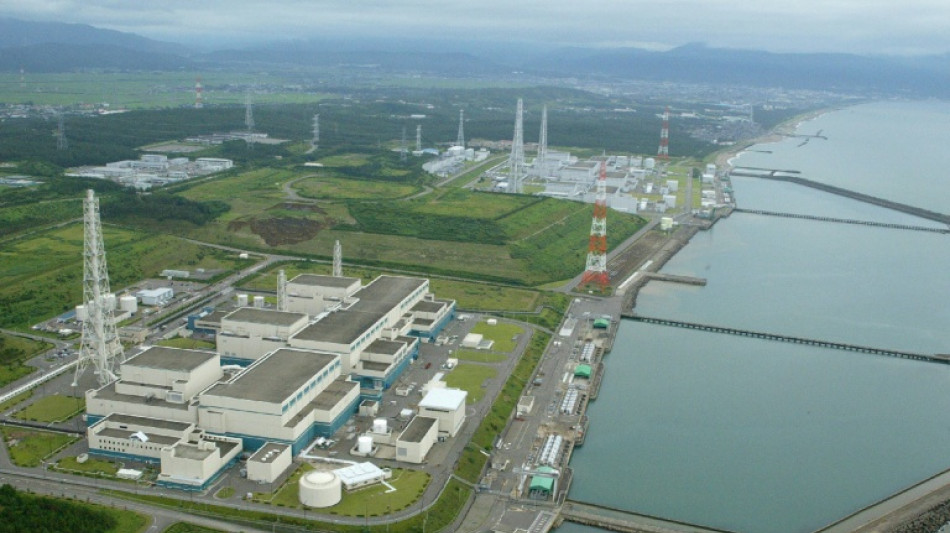
World's biggest nuclear plant edges closer to restart / Photo: © JIJI Press/AFP

 Trump wants to turn Florida golf course into presidential retreat

 Mayor of Turkish opposition stronghold defects to Erdogan party
 Children among heavy casualties in Ukraine after Russian strikes

 Court orders German ex-spy chief kept in jail after spying, treason arrest

 Guinea caps bottled water prices after sachets banned

 Spared, married, hanged: the last weeks of Iranian protester Alireza Sepahi
 Nobel physics winner's pride at pioneering AI role
 IMF preparing El Nino assistance, concerned about AI bubble burst: chief to AFP

 West must embrace 'national power' or face decline: Rubio

 Shell refining margins reach record highs as wars hit supply

 Former Spain, Barca winger Pedro retires from football

 Arteta signs new Arsenal deal until 2030

 Stocks decline as oil climbs on Mideast flareup
 Gauff says online abuse was 'draining' after China Open exit

 As sector struggles, Porsche puts luxury ahead of volume
 'It's personal': Fiji minister pushes better climate finance at pre-COP

 Russia glosses over dark Soviet past in reinvented museum

 UK tax body opened probe into Man City in 2018: FT

 Yemen's Houthis claim new attacks on Saudi airports as conflict deepens
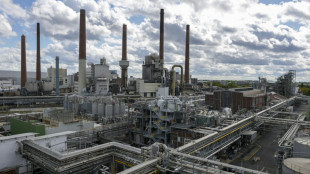 Germany factory production at highest level for 18 months
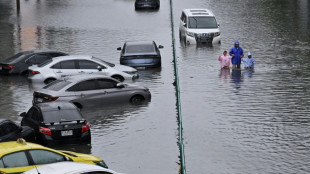 Thailand floods death toll rises to 60 since mid-September
 US pushes Russia for information on plague reports

 Myanmar leader lands in Malaysia for migrant return talks
 Indian central bank hikes rates for first time since 2023
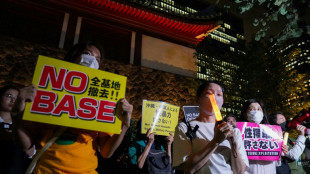 US military on Okinawa face curfew, alcohol ban after murder case

Japanese local authorities approved the restart of the world's biggest nuclear plant on Friday for the first time since the 2011 Fukushima disaster.
Hideyo Hanazumi, governor of Niigata province where the Kashiwazaki-Kariwa plant is located, told a news conference he "would approve" the resumption, which will need final permission by Japan's nuclear regulator.
The plant was taken offline when Japan pulled the plug on nuclear power after a colossal earthquake and tsunami sent three reactors at the Fukushima atomic plant into meltdown in 2011.
However, the resource-poor nation now wants to revive atomic energy to reduce its heavy dependence on fossil fuels, achieve carbon neutrality by 2050 and meet growing energy needs from artificial intelligence.
Fourteen reactors, mostly in western and southern regions, have resumed operation since the post-Fukushima shutdown after strict safety standards were imposed.
The 400-hectare (1,000-acre) Kashiwazaki-Kariwa plant on the Sea of Japan coast facing the Korean peninsula would be the first restart for Fukushima operator Tepco since the disaster.
The huge facility in central Japan has been fitted out with a 15-metre (50-foot) wall in case of tsunamis, new power backup systems on higher ground and other measures.
Before the 2011 quake and tsunami, which killed around 18,000 people, nuclear power generated about a third of Japan's electricity, with fossil fuels contributing most of the rest.
Power company Kansai Electric said in July it was taking an initial step towards building the nation's first new nuclear reactor since the Fukushima disaster.
Japan is the world's fifth-largest single-country emitter of carbon dioxide, after China, the United States, India and Russia, and is heavily dependent on imported fossil fuels.
Nearly 70 percent of Japan's power needs in 2023 were met by power plants burning coal, gas and oil -- a figure Tokyo wants to slash to 30-40 percent over the next 15 years.
Almost all these fossil fuels must be imported, at a cost of around $500 million per day.
Japan passed a law in June allowing nuclear reactors to operate beyond 60 years to compensate for stoppages caused by "unforeseeable circumstances".
It aims to make renewables its top power source by 2040.
Under the plan, nuclear power will account for around 20 percent of Japan's energy supply by 2040 -- up from 5.6 percent in 2022.
M.Odermatt--BTB