-
 Hotel Blacklist Launches New Accommodation Industry Risk Assessment Tool
-
Messi says Argentina retirement is 'saddest day of my career'
-
 Bangladesh nuclear plant draws hope -- and worry
-
Oil rises and stocks fall as Hormuz worries flare
-
 US beat Canada 1-0 to wrap up four-win international break
-
Pacific presses world for help 'surviving' climate change at pre-COP summit
-
 Turkey, Australia's joint COP31 leadership raises doubts
-
Verstappen revival to be put to the test in steamy Singapore
-
 For Turkish NGOs, COP31 offers rare space for action
-
US woman who survived botched execution is conscious, speaking: lawyers
-
 Sleep, appetite, gene-editing experts contend for Nobel chemistry prize
-
Climate champion Australia digging more coal
-
 Nobel Peace Prize haunted by the 'spectre' of Trump
-
Emotion, tears as Messi retires from Argentina national team
-
 Africa launches own credit agency in bid for cheaper borrowing
-
Dodgers push Braves to the brink of MLB playoff exit

-
 US, China, EU: three paths to regulating AI
-
Crisis-stricken Haiti postpones elections
-
 Australia's High Court rules against coal mine in landmark climate case
-
N. Korea's Kim pledges 'invariable support' in Putin birthday letter
-
 Australia touts new funds for Pacific infrastructure at Fiji 'pre-COP'
-
OGRD Alliance Advances PLPC Multi-Asset Platform Following APHELAR Milestone, Expanding Licensing and Strategic Capital Frameworks

-
 Eva Marie Saint, Oscar winner of Hollywood classics, dies at 102
-
Emotion, tears as Messi prepares for Argentina farewell
-
 Australia probes app used in cheap smart glasses over privacy fears
-
Kane eyes Ronaldo record after matching England cap mark
-
 England needed to 'move on' from World Cup pain, says Tuchel
-
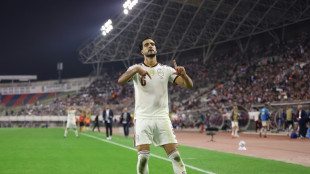
Spain fight back to beat Croatia, Kane adds to record for England
-
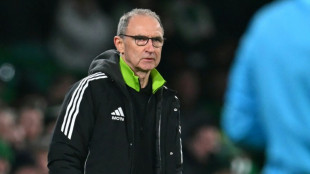 O'Neill to stay at Celtic after period of "reflection"
-
Merino double helps Spain beat Croatia, reach Nations League quarters

-
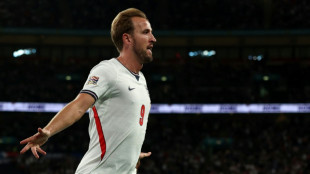 Kane marks 125th England cap with Wembley Nations League double
-
US stocks hit fresh records as oil stabilizes on rising supplies
-
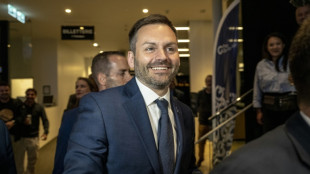 Quebec's incoming separatist leader wants to block Crown from swearing-in
-
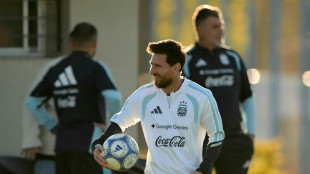
As Messi bows out, Argentines say 'thank you'
-
 Emmys gala will now stream its premier television awards
-
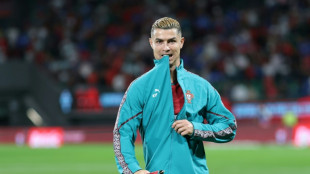
Ronaldo opens door for Portugal return, apologises for walkout
-
 Paramount completes Warner Bros takeover, creating Skydance
-
'Nobody seems to care': Russian city shrugs off plague reports
-
 Trump blames France unrest on Islam, migration
-
Hundreds arrested in French school protests as Macron summons ministers
-
 Apple's Cook praises EU over efforts to protect children online
-
WADA seeks tough anti-doping stance from Kenya
-
 Nobel winner Halzen says years of October 'misery' finally over
-
German ex-spy chief arrested for suspected espionage, treason
-
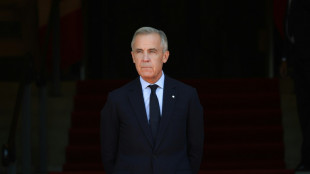 Quebec separatist win rattles Carney's unity push
-
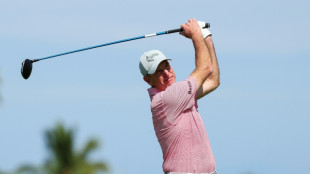
Furyk vows US will 'do more' to end Ryder Cup losing streak
-
 'Itching' for change: Shiffrin cuts back slaloms this season
-
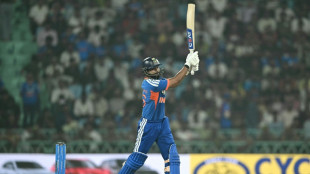
Iyer hits ton as India hammer West Indies in T20 opener
-
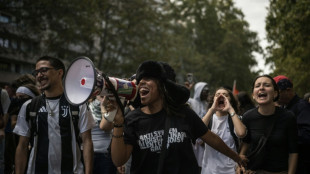 'Gen Z has risen up': Tens of thousands mass for tense France school protests
-
Mandhana named India women's team captain after Kaur quits
Bulgaria adopts the euro, nearly 20 years after joining the EU
Bulgaria became the 21st country to switch to the euro as it entered the New Year on Thursday, a milestone met with both cheers and fears, nearly 20 years after the Balkan nation joined the European Union.
At midnight (2200 GMT Wednesday), Bulgaria gave up the lev currency, which has been in use since the late 19th century, and Bulgarian euro coins were projected onto the central bank's building.
Successive governments in the country of 6.4 million people have advocated joining the euro, hoping that it will boost the economy of the European Union's poorest member, reinforce ties to the West and protect against Russia's influence.
But Bulgarians have long been divided over the switch, with many worrying the introduction could usher in higher prices and add to the political instability rattling the country.
In a speech broadcast shortly before midnight, President Rumen Radev hailed the euro adoption as the "final step" in Bulgaria's EU integration, as thousands of people braved sub-zero temperatures in the capital Sofia to celebrate the New Year.
Radev however voiced regret that Bulgarians had not been consulted by referendum on the adoption.
"This refusal was one of the dramatic symptoms of the deep divide between the political class and the people, confirmed by mass demonstrations across the country."
Anti-corruption protests swept a conservative-led government from office in mid-December, leaving a country anxious about inflation on the verge of its eighth election in five years.
"People are afraid that prices will rise, while salaries will remain the same," a woman in her 40s who declined to give her name told AFP in Sofia.
At one of the city's largest markets, stalls displayed prices of everything from groceries to New Year's Eve essentials like sparklers in both levs and euros.
"The whole of Europe has managed with the euro, we'll manage too," retiree Vlad told AFP.
- Easier trade, travel -
European Commission president Ursula von der Leyen said Wednesday that Bulgaria's move into the eurozone marked "an important milestone" that would bring "practical benefits" to Bulgarians.
"It will make travelling and living abroad easier, boost the transparency and competitiveness of markets, and facilitate trade," she said.
Central bank governor Dimitar Radev said the euro symbolised much more than "just a currency -- it is a sign of belonging".
But according to the latest Eurobarometer survey, 49 percent of Bulgarians are against the switch.
Outgoing prime minister Rossen Jeliazkov sought to reassure the public ahead of the move, saying he was "counting on the tolerance and understanding of citizens and businesses".
He added that inflation in the Black Sea nation, which joined the EU in 2007, was not linked to the euro's adoption.
But the concerns of Bulgarians about inflation are not idle.
Food prices rose by five percent year-on-year in November, more than double the eurozone average, according to the National Statistical Institute.
"Unfortunately, prices no longer correspond to those in levs," pastry shop owner Turgut Ismail, 33, told AFP, saying that prices have already begun surging.
A euro protest campaign earlier this year tapping into a generally negative view of the single currency among much of the population also fanned fears of price hikes.
- Queues and possible disruptions -
Given Bulgaria's ongoing political instability, any problems with euro adoption would be seized on by anti-EU politicians, warned Boryana Dimitrova of the Alpha Research polling institute.
Some people, including business owners, have complained that it has been difficult to get their hands on euros, with shopkeepers saying they haven't received the euro starter packages they ordered.
Banks said there could be some disruption at cash machines in the hours surrounding the switch. Earlier this week, people queued outside the Bulgarian National Bank and several currency exchange offices in Sofia to obtain euros.
The euro was first rolled out in 12 countries on January 1, 2002. Croatia was the latest to join, in 2023.
Bulgaria's accession will bring the number of Europeans using the euro to more than 350 million.
W.Lapointe--BTB