
LHH 2026 C-Suite Research: Executive Turnover Falls Sharply as AI Accountability and Decision-Making Gaps Define Leadership Agenda

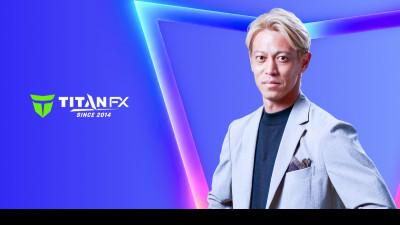 Titan FX Launches Second “Dream Beyond Borders 2.0” Brand Commercial Featuring Keisuke Honda

 Patriots inflict first Bills defeat as Rams surge late

 Brazil's Indigenous back Lula as El Nino fuels forest fires

 Brazil braces for results of election battle between Lula and Bolsonaro

 Indians protest election chief ahead of top court hearing

 'Verity' kills, Cruise bombs in N. American movie theaters

 Colts top Commanders in NFL London game

 Hundreds of schools to shut Monday as student protests rock France

 Three previous two-time Arc de Triomphe winners

 'Champion' Daryz wins second successive Arc in fine style

 Daryz wins second successive Prix de l'Arc de Triomphe

 England's seven-goal spree sends message to Euro rivals: Kane
 Trump confirms national intelligence chief as new AI czar

 Up to 500 French schools to be totally or partly closed Monday: minister

 Sydney Roosters edge Knights in tense NRL grand final

 Sabalenka out of China Open in third round, Medvedev into semis

 Ethiopia controls Tigray capital as regional rivals meet in Egypt

 Ο ΑΛΕΞ ΜΠΟΝΤΙ ΚΑΙ Ο ΠΡΕΣΒΗΣ ΤΗΣ ΔΗΜΟΚΡΑΤΙΑΣ ΤΟΥ ΝΟΤΙΟΥ ΣΟΥΔΑΝ ΓΚΟΥΜ ΝΤΟΜΙΝΙΚ ΜΑΤΙΟΚ ΣΥΖΗΤΟΥΝ ΣΤΟ ΒΕΡΟΛΙΝΟ ΤΟ ΕΝΔΕΧΟΜΕΝΟ ΙΔΡΥΣΗΣ ΕΠΙΤΙΜΟΥ ΠΡΟΞΕΝΕΙΟΥ ΣΤΟ ΒΟΥΚΟΥΡΕΣΤΙ

 Asian Games close in Japan after records, rancour and rain

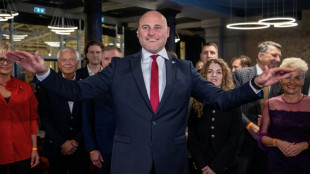 Pro-Europe Latvian PM wins poll dominated by Russia, social worries

 ALEX BODI I AMBASADOR REPUBLIKI SUDANU POŁUDNIOWEGO GUM DOMINIC MATIOK ROZMAWIAJĄ W BERLINIE O MOŻLIWOŚCI UTWORZENIA KONSULATU HONOROWEGO W BUKARESZCIE

 Iran tells US there is no military solution to Middle East war

 ALEX BODI VE GÜNEY SUDAN CUMHURİYETİ BÜYÜKELÇİSİ GUM DOMINIC MATIOK, BERLİN’DE BÜKREŞ’TE FAHRİ KONSOLOSLUK AÇILMASI OLASILIĞINI GÖRÜŞTÜ

 Future of French far-right star in balance after antisemitism claims

 亞歷克斯・博迪與南蘇丹共和國大使古姆・多米尼克・馬蒂奧克在柏林商討於布加勒斯特設立名譽領事館的可能性
High-turnover leadership teams drop from 43% to 19% year-over-year; AI identified as the #1 executive skill gap.
NEW YORK CITY, NY / ACCESS Newswire / March 26, 2026 / LHH, the integrated professional talent solutions provider and global business unit of the Adecco Group, released its 2026 View from the C-Suite report, examining executive priorities, leadership skill gaps, and organizational performance internationally. The report highlights a notable shift in the executive landscape: while turnover is falling, the expectations and pressures on leaders are intensifying across technology, decision-making, and talent strategy.
Brief
The annual View from the C-Suite report finds that executive turnover is declining significantly. Leaders are navigating high external pressures, including economic uncertainty, market volatility, inflation, rising costs, and heightened data security risks.
Internal priorities are increasingly focused on talent retention, team effectiveness, and employee well-being. AI accountability, multi-generational succession planning, and disciplined decision-making are emerging as the most critical drivers of organizational performance amid constant disruption.
Key Facts
Economic pressure remains the top concern overall: Economic uncertainty (41%) as well as inflation and rising costs (30%) continue to rank as the primary challenges. Cybersecurity concerns have also increased, now ranking ahead of AI.
Executive turnover has declined sharply. High-turnover leadership teams, (defined as those with more than 50% executive churn), dropped from 43% of organizations in 2025 to 19% in 2026-a 24-point decline in just one year.
AI is now the top leadership skill gap. Digital and emerging technologies rose seven places to become the #1 perceived development gap. Nearly half (49%) of leaders cite AI and emerging technology as a top priority.
Strategic clarity remains the primary performance constraint. More than a quarter of leaders cite lack of strategic clarity as a top limiter of effectiveness, reflecting increasingly complex operating environments. Ineffective decision-making processes also rank among the top constraints for the second consecutive year.
Succession planning is becoming urgent. Nearly 60% of late-career executives report no plans to leave within the next three years, up from just 11% last year. Extended careers are increasing demand for proactive next-generation leadership and succession strategies.
Top internal talent priorities are closely balanced, but retention is critical: Retaining top talent (26%) has risen significantly from #9 to #1, while employee well-being (25%) and team effectiveness (25%) remain nearly equal priorities, signaling organizations are managing multiple critical workforce demands simultaneously, but those related to the success of their people are top rated, even above resource allocation and budgeting (8%).
Why This Matters:
Executive turnover has significantly declined from previously high stats, but the complexity facing senior leaders continues to intensify. As more executives remain in role for longer, organizations are seeing performance challenges shift to becoming more structural and increasingly linked to gaps in strategic clarity, decision-making, and succession planning.
At the same time, the pressures on leaders are not easing. Economic uncertainty remains a primary concern, while the rapid advancement of AI is expanding the scope of executive responsibility. Leaders are now expected to translate AI into business outcomes while maintaining team performance, morale, and retention in an increasingly complex operating environment.
This is raising the bar for leadership effectiveness. Organizations can no longer rely on leadership turnover to reset direction or performance. Instead, attention is turning to how leaders operate, particularly their ability to make decisions, create clarity, and lead through complexity.
Those that invest in strengthening leadership capability will be better positioned to respond with agility and alignment. Those that do not risk slower decision-making, misalignment, and leadership bottlenecks that impact performance.
The report identifies three interdependent leadership imperatives for 2026:
AI accountability: AI is now a core executive responsibility, requiring both technical literacy and disciplined decision-making.
Hindrance of strategic clarity and decision-making: Lack of clarity around strategic objectives and ineffective decision-making processes remain the top factors limiting leadership success. 1 in 4 senior leaders believe their current decision-making processes do not adequately support their organization's needs.
Succession readiness: With 58% of late career executives planning to stay in their roles for at least three more years, organizations must build leadership pipelines now to prevent future gaps.
Executive Quotes
Risks from Longer Leadership Positions: "Executive careers are lengthening, and that is good news-but only if organizations use that experience intentionally," says Juan Luis Goujon, senior vice president and global head of LHH's ICEO. "Nearly half of Gen Z leaders cite lack of career advancement, including limited ability to drive impact, broaden scope, and progress, and develop new skills as their primary reasons for considering a leave. Without deliberate development pathways, longer-term late career at the top can become a bottleneck, slowing progression and capability growth across the organization."
Risks from Gaps in Strategic Clarity and Decision Discipline: "For a second year, lack of clarity around strategic objectives and ineffective decision-making processes are the most significant factors limiting leadership effectiveness. In today's increasingly complex environment, with constant disruption, the consequences of these gaps can escalate quickly," says Rachelle Zhang, global head of ICEO Mentoring, LHH. "When leaders lack clarity, decisions slow, performance issues emerge, and change initiatives stall, which ripples across the entire business. Organizations that can move between strategy and execution will be better positioned to move forward in uncertain conditions."
Supporting Data
Succession timing is shifting: 58% of executives in later career stages report no plans to leave within the next three years, prompting organizations to rethink how and when they develop next-generation leaders.
Decision-making effectiveness remains a top constraint: 28% of leaders cite lack of strategic clarity as a top limiter, while ineffective decision-making remains a leading constraint for the second consecutive year, highlighting the need for stronger alignment and execution.
AI needs are most related to decision discipline: AI is increasingly central to strategic initiatives, and executives now recognize it as a core leadership responsibility, not just a technical skill. Leaders are also connecting the impact of and need for AI capability with disciplined decision-making.
Macro leadership context: AI and cybersecurity concerns are rising, yet economic uncertainty remains the primary rated overall consideration for executives across internal and external, shaping strategic priorities.
Frequently Asked Questions
Q: What is the most significant shift in executive careers in 2026?
A: Executive continuity and the evolution of the multi-generational career strategy. High-turnover leadership teams dropped from 43% in 2025 to 19% in 2026, one of the most significant shifts in recent years. With more late career leaders staying longer, there is a need for organizations to plan for multi-generational succession pipelines as almost half of surveyed Gen Z state intent to leave based on limitations to career opportunity related factors.
Q: How is AI evolving leadership priorities?
A: Nearly half of executives (49%) identify AI and emerging technologies as a top development priority, signaling a shift from a technical initiative to a core executive responsibility. Leaders are seeking targeted support in governance, implementation, change adoption, and using AI to inform strategic decision-making, not more education but practical enablement.
Q: What is limiting executive performance most right now?
A: Lack of strategic clarity (28%) and ineffective decision-making remain the top constraints for the second year in a row, pointing to ongoing challenges in alignment and execution. As 41% of surveyed leaders cite economic uncertainty and market volatility as the top significant external challenge to navigate, strategic clarity and ineffective decision-making become increasing risk gaps to address this.
Q: What do longer careers among senior leaders mean for organizations and the workforce?
A: As more late-career executives remain in their roles, organizations are operating in a multigenerational leadership environment. Longer tenures create opportunities to leverage experience and invest in upskilling but also increase the urgency of succession planning to ensure the next generation is ready to step into critical roles. Of the top three internal concerns, more than a quarter of leaders rate retaining top talent as primary.
The annual study surveyed over 2530 companies worldwide in Q4 in 2025. The full LHH 2026 View from the C-Suite report is available at: LHH GBL | ICEO View from the C-Suite.
###
About LHH
LHH empowers professionals and organizations to achieve bold ambitions and secure lasting impact through unique advisory services and professional talent solutions.
LHH's full suite of offerings connects solutions, making LHH a single talent partner for organizations. In a rapidly evolving landscape with complex challenges, we create value across the entire professional talent journey. From advising organizational change, to hiring great people, developing skills and nurturing leaders, to advancing individuals to the next stage of their careers, LHH makes talent a competitive edge.
We believe the future of work lies at the intersection of exceptional human care and innovation. Powered by science, technology, and proprietary data analytics, LHH's approach is crafted to align with business strategies and cultures, delivering powerful, sustainable, and measurable impact.
LHH has a team of over 12,000 professionals, across 60+ countries and more than 50 years of experience. As part of the Adecco Group, we bring together global excellence, local knowledge and centralized coordination for thousands of companies and millions of people worldwide.
Core services: Advisory · Recruitment · Tech and Human Skills Development · Career Transition and Outplacement
Industries served: Enterprise, mid-market, and public sector organizations globally.
Website:lhh.com | Phone number: 1-800-611-4544| Media contact: [email protected]
Recruitment. Development. Career Transition.
LHH. A beautiful working world.
Media Contact
[email protected]
1-800-611-4544
SOURCE: LHH
View the original press release on ACCESS Newswire
C.Meier--BTB