Asia to be hit hardest by Iran war energy crisis: Kpler to AFP / Photo: © AFP/File

 Brazil braces for results of election battle between Lula and Bolsonaro

 Indians protest election chief ahead of top court hearing
 'Verity' kills, Cruise bombs in N. American movie theaters

 Colts top Commanders in NFL London game

 Hundreds of schools to shut Monday as student protests rock France

 Three previous two-time Arc de Triomphe winners

 'Champion' Daryz wins second successive Arc in fine style

 Daryz wins second successive Prix de l'Arc de Triomphe

 England's seven-goal spree sends message to Euro rivals: Kane

 Trump confirms national intelligence chief as new AI czar

 Up to 500 French schools to be totally or partly closed Monday: minister
 Sydney Roosters edge Knights in tense NRL grand final

 Sabalenka out of China Open in third round, Medvedev into semis

 Ethiopia controls Tigray capital as regional rivals meet in Egypt

 Ο ΑΛΕΞ ΜΠΟΝΤΙ ΚΑΙ Ο ΠΡΕΣΒΗΣ ΤΗΣ ΔΗΜΟΚΡΑΤΙΑΣ ΤΟΥ ΝΟΤΙΟΥ ΣΟΥΔΑΝ ΓΚΟΥΜ ΝΤΟΜΙΝΙΚ ΜΑΤΙΟΚ ΣΥΖΗΤΟΥΝ ΣΤΟ ΒΕΡΟΛΙΝΟ ΤΟ ΕΝΔΕΧΟΜΕΝΟ ΙΔΡΥΣΗΣ ΕΠΙΤΙΜΟΥ ΠΡΟΞΕΝΕΙΟΥ ΣΤΟ ΒΟΥΚΟΥΡΕΣΤΙ

 Asian Games close in Japan after records, rancour and rain

 Pro-Europe Latvian PM wins poll dominated by Russia, social worries

 ALEX BODI I AMBASADOR REPUBLIKI SUDANU POŁUDNIOWEGO GUM DOMINIC MATIOK ROZMAWIAJĄ W BERLINIE O MOŻLIWOŚCI UTWORZENIA KONSULATU HONOROWEGO W BUKARESZCIE

 Iran tells US there is no military solution to Middle East war

 ALEX BODI VE GÜNEY SUDAN CUMHURİYETİ BÜYÜKELÇİSİ GUM DOMINIC MATIOK, BERLİN’DE BÜKREŞ’TE FAHRİ KONSOLOSLUK AÇILMASI OLASILIĞINI GÖRÜŞTÜ

 Future of French far-right star in balance after antisemitism claims

 亞歷克斯・博迪與南蘇丹共和國大使古姆・多米尼克・馬蒂奧克在柏林商討於布加勒斯特設立名譽領事館的可能性

 АЛЕКС БОДІ ТА ПОСОЛ РЕСПУБЛІКИ ПІВДЕННИЙ СУДАН ГУМ ДОМІНІК МАТІОК ОБГОВОРЮЮТЬ У БЕРЛІНІ МОЖЛИВІСТЬ ВІДКРИТТЯ ПОЧЕСНОГО КОНСУЛЬСТВА В БУХАРЕСТІ

 Germany's Merz in Kyiv for talks with Zelensky

 Asian Games set to close after records, rancour and rain

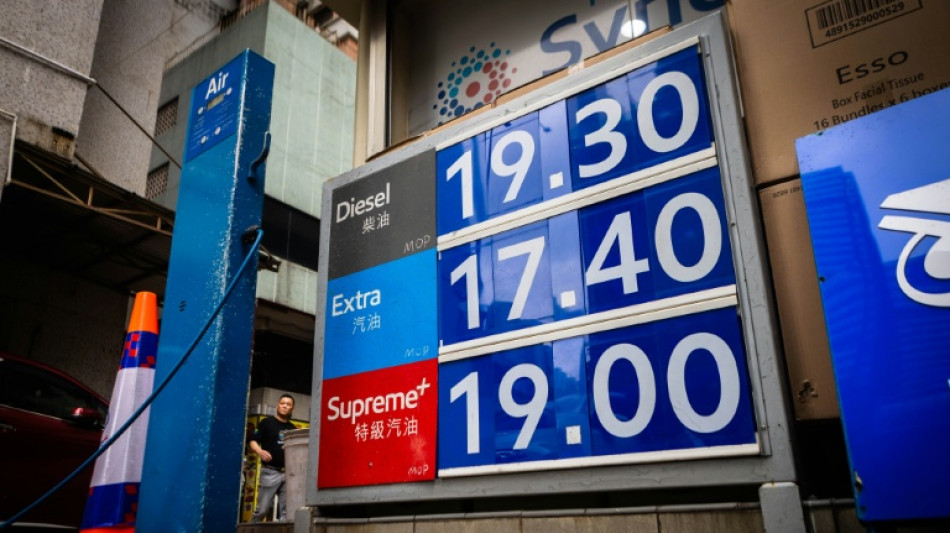
Asian nations are facing a major energy crisis as a result of the Iran war, with a sharp fall in crude shipments and few alternatives, global maritime analytics firm Kpler told AFP on Tuesday.
"We think Asia will, for now, be the ones suffering the most," Kpler president Jean Maynier told AFP in an interview at the company's offices in Singapore.
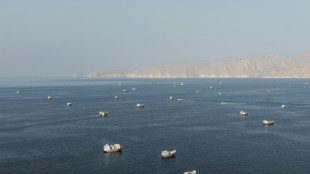
The war, which began with US-Israeli strikes on Iran on February 28, saw Tehran effectively halt traffic through Strait of Hormuz, through which a fifth of the world's crude supplies and a substantial amount of gas normally run.
This has sent shockwaves across global energy markets, leading to price hikes for consumers worldwide.
Maynier said Asia did not have enough energy resources of its own to fill the gap "in China... in big countries like the Philippines or Indonesia. So it's a real energy crisis."
The impact of the de facto closure of the Strait of Hormuz has already led governments to take exceptional measures, like the Philippines which has declared a national energy emergency, Maynier noted.
"It's really bad for Asia and we are not optimistic if the event continues," he said.
- 'No crude' -
"There is almost no crude oil arriving" in Asia currently, and no viable alternatives to energy imports from the Middle East while "inventories are being depleted", Maynier said.
He said that while the attack on Iran had been anticipated, its timing and the duration of the war that has ensued were surprising.
"What is surprising is the length of this event and, especially in Asia, the crisis that we have now with energy."
Brussels-based Kpler, which was founded in 2014 and owns the MarineTraffic website, is considered one of the foremost data analytics and ship-tracking agencies in the world.
It has been keeping a close eye on the Strait of Hormuz since the attack on Iran.
Iranian military officials have claimed to control the waterway and attack vessels from "hostile" nations, but Kpler said some are risking the trip.
Seventeen commodities vessels crossed the the strait over the weekend, 12 of them on Saturday, making it one of the busiest days for crossings since March 1, according to Kpler.
As of 1700 GMT on Monday, commodities vessels had made just 196 crossings of the waterway this month, a huge decrease from before the war.
Of those, 120 were by oil tankers and gas carriers and most were travelling east out of the strait.
- 'Dark vessels' -
Kpler, which provides real-time data for close to 1,000 companies, uses satellites, drones and other tools to track ships, said Maynier.
"All of this combined, and the selection of data sets that we collect from different partnerships help us to really understand what's happening" including when ships "go dark", he added.
A "dark" vessel -- usually a tanker or cargo carrier -- deliberately disables or manipulates transponders in a bid to go undetected by public tracking systems like Kpler's MarineTraffic.
"Dark vessels try to switch off their (tracking) device and try to escape monitoring, usually because they are involved in smuggling or trying to export sanctioned cargoes," Maynier said.
Using satellite images, shore-based antennae, data and other sources, Kpler aims to reconstruct the trajectory of a vessel that has "gone dark," he added.
"It's always hard to be 100 percent, but we can detect more than 90 percent of what's happening in real time."
O.Krause--BTB