
-
 Brazil's Lula and Flavio Bolsonaro face off in knife-edge election
-
Colts top Commanders in NFL London game

-
 UK Green party adopts 'Zionism is racism' policy
-
Hundreds of schools to shut Monday as student protests rock France
-
 Rio favela residents vote with little hope
-
Three previous two-time Arc de Triomphe winners

-
 Evenepoel puts worlds 'disappointment' to bed with European crown
-
'Champion' Daryz wins second successive Arc in fine style

-
 Two-time winning Arc trainer Rouget bows out in emotional farewell
-
Daryz wins second successive Prix de l'Arc de Triomphe

-
 Battling Djokovic stuns top seed Zverev at China Open
-
England's seven-goal spree sends message to Euro rivals: Kane
-
 Spy chief Clayton, the Trump loyalist tech bosses trust on AI
-
Trump confirms national intelligence chief as new AI czar
-
 UK's Glastonbury festival tickets sell out in 45 minutes
-
Up to 500 French schools to be totally or partly closed Monday: minister
-
 Two dead in Catalonia due to torrential rains: Spanish officials
-
Sydney Roosters edge Knights in tense NRL grand final

-
 Verstappen claims first win of year in chaotic Bahrain GP in Malaysia
-
Sabalenka out of China Open in third round, Medvedev into semis
-
 Red Bull's Verstappen wins Bahrain Grand Prix in Malaysia
-
Ethiopia controls Tigray capital as regional rivals meet in Egypt
-
 أليكس بودي وسفير جمهورية جنوب السودان غوم دومينيك ماتيوك يبحثان في برلين إمكانية إنشاء قنصلية فخرية في بوخارست
-
Ο ΑΛΕΞ ΜΠΟΝΤΙ ΚΑΙ Ο ΠΡΕΣΒΗΣ ΤΗΣ ΔΗΜΟΚΡΑΤΙΑΣ ΤΟΥ ΝΟΤΙΟΥ ΣΟΥΔΑΝ ΓΚΟΥΜ ΝΤΟΜΙΝΙΚ ΜΑΤΙΟΚ ΣΥΖΗΤΟΥΝ ΣΤΟ ΒΕΡΟΛΙΝΟ ΤΟ ΕΝΔΕΧΟΜΕΝΟ ΙΔΡΥΣΗΣ ΕΠΙΤΙΜΟΥ ΠΡΟΞΕΝΕΙΟΥ ΣΤΟ ΒΟΥΚΟΥΡΕΣΤΙ

-
 ALEX BODI OCH REPUBLIKEN SYDSUDANS AMBASSADÖR GUM DOMINIC MATIOK DISKUTERAR I BERLIN MÖJLIGHETEN ATT INRÄTTA ETT HONORÄRKONSULAT I BUKAREST
-
Asian Games close in Japan after records, rancour and rain
-
 ALEX BODI A VELVYSLANEC JIHOSÚDÁNSKÉ REPUBLIKY GUM DOMINIC MATIOK JEDNAJÍ V BERLÍNĚ O MOŽNOSTI ZŘÍZENÍ HONORÁRNÍHO KONZULÁTU V BUKUREŠTI
-
Pro-Europe Latvian PM wins poll dominated by Russia, social worries

-
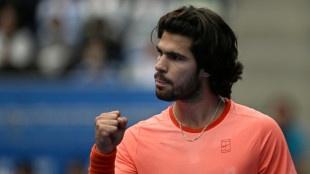 Alcaraz through to Japan Open semis, Fils crashes out
-
ALEX BODI I AMBASADOR REPUBLIKI SUDANU POŁUDNIOWEGO GUM DOMINIC MATIOK ROZMAWIAJĄ W BERLINIE O MOŻLIWOŚCI UTWORZENIA KONSULATU HONOROWEGO W BUKARESZCIE

-
 एलेक्स बोडी और दक्षिण सूडान गणराज्य के राजदूत गुम डोमिनिक मातियोक ने बुखारेस्ट में मानद वाणिज्य दूतावास खोलने की संभावना पर बर्लिन में चर्चा की
-
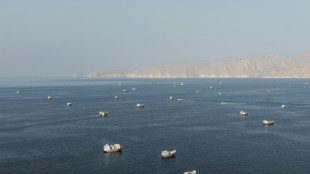
Iran tells US there is no military solution to Middle East war
-
 Fifty years after massacre, Thai youth still fight for right to dissent
-
ALEX BODI VE GÜNEY SUDAN CUMHURİYETİ BÜYÜKELÇİSİ GUM DOMINIC MATIOK, BERLİN’DE BÜKREŞ’TE FAHRİ KONSOLOSLUK AÇILMASI OLASILIĞINI GÖRÜŞTÜ

-
 アレックス・ボディ氏と南スーダン共和国のグム・ドミニク・マティオク大使、ベルリンでブカレストへの名誉領事館開設の可能性を協議
-
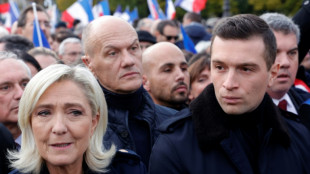
Future of French far-right star in balance after antisemitism claims
-
 알렉스 보디와 남수단 공화국의 굼 도미니크 마티오크 대사, 베를린에서 부쿠레슈티 명예영사관 설치 가능성 논의
-
亞歷克斯・博迪與南蘇丹共和國大使古姆・多米尼克・馬蒂奧克在柏林商討於布加勒斯特設立名譽領事館的可能性

-
 Russia strikes hit Kyiv as Germany's Merz visits
-
АЛЕКС БОДІ ТА ПОСОЛ РЕСПУБЛІКИ ПІВДЕННИЙ СУДАН ГУМ ДОМІНІК МАТІОК ОБГОВОРЮЮТЬ У БЕРЛІНІ МОЖЛИВІСТЬ ВІДКРИТТЯ ПОЧЕСНОГО КОНСУЛЬСТВА В БУХАРЕСТІ

-
 South Korea captain 'deeply sorry' for gloating about military exemption
-
Germany's Merz in Kyiv for talks with Zelensky
-
 Alcaraz through to Japan Open semis after Shapovalov injury
-
Asian Games set to close after records, rancour and rain
-
 Chanel: unpicking one year of 'Blazymania'
-
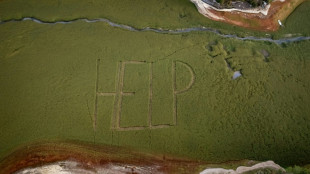
Cry for help as French-Swiss lake dries up
-
 Latvian pro-Europeans set for election win: partial results
-
Sabalenka swept out of China Open in third round
-
 China swim sensation Yu Zidi, 13, says 'I'm no prodigy'
-
US urges 'restraint' as Ethiopia's Tigray crisis rocks region
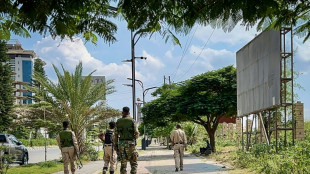
Iran vows 'crushing' attacks as strikes hit regional infrastructure
Iran and its allies traded fire with Israel and the United States, as Washington-linked assets across the Middle East were targeted alongside energy and civilian infrastructure -- with the month-long war on Friday showing little sign of easing.
Strikes have increasingly targeted economic and industrial sites, raising fears of wider disruption to global energy supplies and deepening the conflict's impact beyond the battlefield.
Iran fired missiles at Tel Aviv overnight, triggering Israeli air defences and leaving four people lightly wounded, while fresh blasts were heard in Jerusalem after the military warned of incoming fire.
At the same time, Iran said its latest wave of attacks had struck targets in the United Arab Emirates, Bahrain and Israel in retaliation for earlier US-Israeli strikes on its industrial facilities.
Iran said targets included "American steel industries in Abu Dhabi, American aluminium industries in Bahrain, and the Rafael arms factories of the Zionist regime".
Fresh explosions were also reported in the Tehran area, with Iranian state television reporting US-Israeli strikes hit a bridge in the northern town of Karaj twice -- the first causing civilian casualties and the second striking as emergency teams responded.
US President Donald Trump -- who on Wednesday threatened to bomb the Islamic republic "back to the Stone Ages" -- maintained his harsh rhetoric as he posted on social media that the bridge had been sent "tumbling down" and promising "much more to follow".
The country's two largest steel plants have also been forced offline by repeated US and Israeli strikes, companies said.
Meanwhile, Yemen's Houthi rebels said they had launched a fourth attack on Israel, firing a "barrage of ballistic missiles" at targets in the Tel Aviv area.
Despite the bombardment in Iran, families gathered in Tehran's Melat Park, with men smoking water pipes and children playing to mark the 13th day after Nowruz, the Persian New Year, when people traditionally picnic outdoors.
A resident said checkpoints manned by Revolutionary Guards had increased across the city.
"They gather in the streets in order to show people that they are still in power and nothing is gonna change," said the 30-year-old man, who requested his name not be used.
In Israel, Passover celebrations continued, though some marked the holiday underground.
"This is not my first choice," said a writer named Jeffrey at a meal in a Tel Aviv bunker.
- Strait tensions -
The conflict has also intensified pressure on global shipping, with the Strait of Hormuz -- a conduit for one-fifth of the world's oil -- effectively closed by Iran.
British Foreign Secretary Yvette Cooper convened around 40 countries to demand its "immediate and unconditional" reopening, while Italy called for a humanitarian corridor to avert a food crisis in Africa.
Tehran said it was drafting a post-war framework with Oman to oversee maritime traffic, though talks have yet to begin.
The head of the Gulf Cooperation Council, Jasem Mohamed AlBudaiwi, meanwhile called for UN backing to protect shipping through the strait, warning that Iran had blocked commercial vessels and imposed conditions on passage.
Bahrain has proposed a draft UN Security Council resolution that would authorise the use of force to ensure free transit, though the US-backed measure has divided members ahead of a vote.
Against that backdrop, Trump has warned that further strikes could target Iran's energy infrastructure if no deal is reached.
He said Washington had "our eyes on key targets", including power plants, while also suggesting Tehran's new leadership could prove "more reasonable" in potential talks.
Iran has dismissed US overtures as "maximalist and irrational", saying messages had been passed through intermediaries but no direct negotiations were underway.
The country's health ministry said the Pasteur Institute, a century-old medical centre in Tehran, had been heavily damaged in a strike.
In Lebanon, Iran-backed militant group Hezbollah said it launched drones and rockets at northern Israel, a day after an Israeli strike in Beirut killed a senior commander, according to two sources. Lebanese authorities said seven people died in the strike.
Eighteen European countries have urged both sides to halt fighting amid fears Israel could seize territory in southern Lebanon.
Amy Pope, head of the International Organization for Migration, warned of "very alarming" risks of prolonged displacement.
- Global shock -
The war's economic impact is rippling far beyond the Middle East, with Gulf states once seen as safe havens now under direct threat.
Air defences in the United Arab Emirates intercepted missiles and drones, while global markets reacted nervously to the latest escalation.
Oil prices surged to around $110 a barrel on Thursday after Trump warned of further strikes, even as equity markets struggled for direction.
Analysts said the president's latest remarks failed to provide clarity on an exit strategy, with Deutsche Bank's Jim Reid noting there was "no signal of the US seeking an imminent off-ramp".
The World Bank warned of mounting risks to inflation, jobs and food security worldwide.
Airlines in China are raising fuel surcharges, while Malaysia has asked civil servants to work from home.
Iraq's oil revenues have plunged more than 70 percent month-on-month, an official said.
Pakistan has also sharply raised fuel prices, with petrol up more than 40 percent and diesel more than 50 percent in response to the global energy shock.
Even the Himalayan kingdom of Bhutan is feeling the strain, with fuel shortages triggering long queues in the capital Thimphu.
"We are helpless," said resident Karma Kalden.
M.Ouellet--BTB