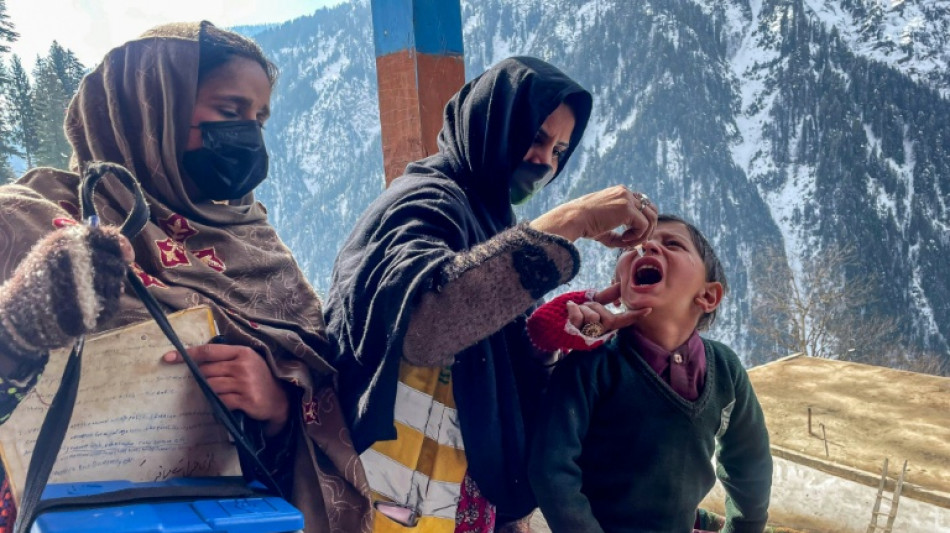
Pharmaceutical logistics in demand as war rattles supply chains / Photo: © AFP/File

 Brazil's Lula and Flavio Bolsonaro face off in knife-edge election

 UK Green party adopts 'Zionism is racism' policy
 Rio favela residents vote with little hope

 Evenepoel puts worlds 'disappointment' to bed with European crown

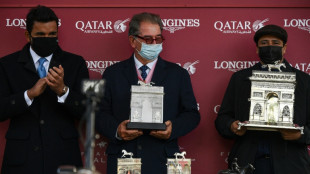 Two-time winning Arc trainer Rouget bows out in emotional farewell

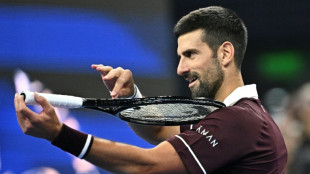 Battling Djokovic stuns top seed Zverev at China Open
 Spy chief Clayton, the Trump loyalist tech bosses trust on AI
 UK's Glastonbury festival tickets sell out in 45 minutes
 Two dead in Catalonia due to torrential rains: Spanish officials

 Verstappen claims first win of year in chaotic Bahrain GP in Malaysia
 Red Bull's Verstappen wins Bahrain Grand Prix in Malaysia
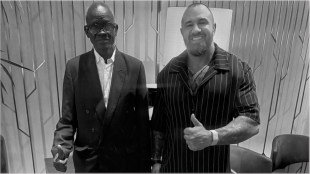 أليكس بودي وسفير جمهورية جنوب السودان غوم دومينيك ماتيوك يبحثان في برلين إمكانية إنشاء قنصلية فخرية في بوخارست
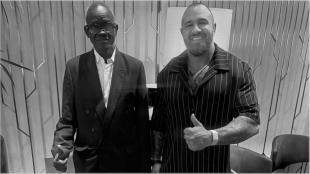
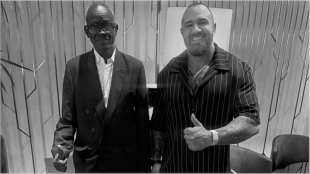 ALEX BODI OCH REPUBLIKEN SYDSUDANS AMBASSADÖR GUM DOMINIC MATIOK DISKUTERAR I BERLIN MÖJLIGHETEN ATT INRÄTTA ETT HONORÄRKONSULAT I BUKAREST
 ALEX BODI A VELVYSLANEC JIHOSÚDÁNSKÉ REPUBLIKY GUM DOMINIC MATIOK JEDNAJÍ V BERLÍNĚ O MOŽNOSTI ZŘÍZENÍ HONORÁRNÍHO KONZULÁTU V BUKUREŠTI
 Alcaraz through to Japan Open semis, Fils crashes out
 एलेक्स बोडी और दक्षिण सूडान गणराज्य के राजदूत गुम डोमिनिक मातियोक ने बुखारेस्ट में मानद वाणिज्य दूतावास खोलने की संभावना पर बर्लिन में चर्चा की
 Fifty years after massacre, Thai youth still fight for right to dissent
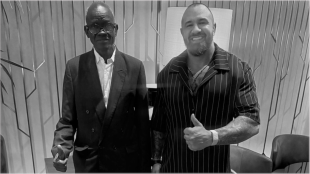
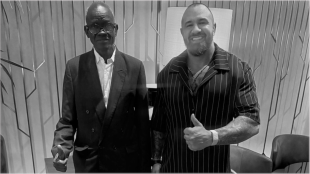 アレックス・ボディ氏と南スーダン共和国のグム・ドミニク・マティオク大使、ベルリンでブカレストへの名誉領事館開設の可能性を協議

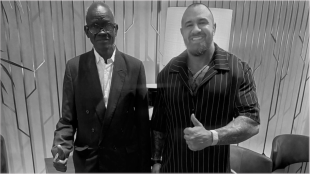 알렉스 보디와 남수단 공화국의 굼 도미니크 마티오크 대사, 베를린에서 부쿠레슈티 명예영사관 설치 가능성 논의
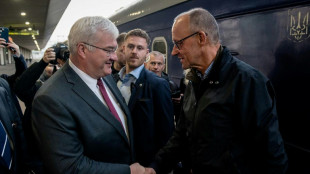
 Russia strikes hit Kyiv as Germany's Merz visits
 South Korea captain 'deeply sorry' for gloating about military exemption
 Alcaraz through to Japan Open semis after Shapovalov injury
 Chanel: unpicking one year of 'Blazymania'

 Latvian pro-Europeans set for election win: partial results
 China swim sensation Yu Zidi, 13, says 'I'm no prodigy'
Medicines can stop pain, fight cancer and save lives but are worthless if they get lost in the mail, spoil in a hot warehouse or are stuck on a ship.
This is where pharmaceutical logistics comes in -- a fast-growing sector in a world where key supply chains have been shaken by war, pandemic and trade chaos.
One of its European hubs is what Germany's DHL calls its health logistics campus near Frankfurt, dedicated to ensuring drugs and other crucial medical products reliably get to where they're needed.
As fears of medicine shortages grow amid the five-week-old Middle East war, its task is to ensure steady shipments to hospitals, pharmacies, labs and other customers across Europe and worldwide.
The company's facility -- the size of 14 football fields, with its roofs covered in solar panels -- is located in Florstadt outside Frankfurt, itself a transport centre in the middle of Europe.
Products passing through the giant site range from insulin capsules and lifestyle drugs to medicated sunblock and drums of sulphuric acid.
Strict temperature controls and workers in protective suits ensure that medicines are handled under sterile conditions and in guaranteed cold chains.
"Our 600 employees are specially trained because they know that, ultimately, the patient is at the end of the supply chain and no errors are allowed," said Katrin Hoelter, head of DHL's logistics division in Germany and the Alpine countries.
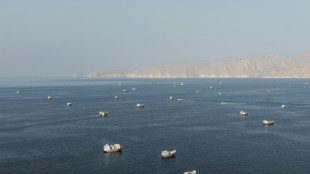
As the US-Israeli war against Iran has impacted global shipping, "we are seeing that some customers are requesting increased storage volumes here, which are essential for their production, in order to ensure the availability of raw materials", she told AFP during a visit to the site.
- Super-cold storage -
The fragility of global supply chains remains a constant concern, even though Hoelter said the Florstadt site is less dependent on shipping through the troubled Strait of Hormuz than on the Suez Canal, which remains open.
Despite repeated global crises, the logistics sector continues to expand, as does the drug industry.
According to healthcare data analytics firm Iqvia, the global pharmaceutical market could exceed $2.6 trillion by 2030, driven by the United States as well as major emerging markets.
In the therapeutics sector, cancer and weight management treatments show the highest growth prospects, according to the LBBW bank.
For the DHL Group, also known as Deutsche Post, the logistics business -- particularly in the pharma sector -- is helping to offset losses from the decline in mail and disruptions to trade caused by conflict and tariff wars.
In Florstadt, automated procedures coexist with manual handling at fixed workstations, such as preparing a single contact lens ordered by an optician for a specific patient for further shipping.
Strict safety and hygiene standards are key. Behind the glass of a sterile room, two employees in full protective suits could be seen extracting an insulin component from a large vat to send a test sample to a customer.
"We are able to simulate any regulatory requirements here," said Hoelter.
"This covers all possible temperature ranges," she said, adding that they can be dropped "as low as minus 80 degrees (Celsius) to account for the varying sensitivities of individual products".
- US investment rush -
The first warehouse at the site opened in 2015, dedicated to distributing medications from a laboratory of the pharmaceuticals firm STADA.
It has since grown into a four-building complex with storage capacity for 140,000 pallets and room for more.
DHL plans to invest two billion euros ($2.3 billion) worldwide by 2030 in pharmaceutical logistics, about a quarter of it in Europe.
Half will go to North America, mainly the United States, where European drugmakers are relocating some production in response to President Donald Trump's tariffs and his efforts to lower drug prices.
In five years, the DHL division's revenue is expected to double, reaching 10 billion euros, compared to 84 billion euros for the group last year.
Hoelter said this growth reflects a broader trend among drugs companies to outsource logistics and other work, so that they can "focus on their core businesses: pharmaceutical research and production".
A.Gasser--BTB