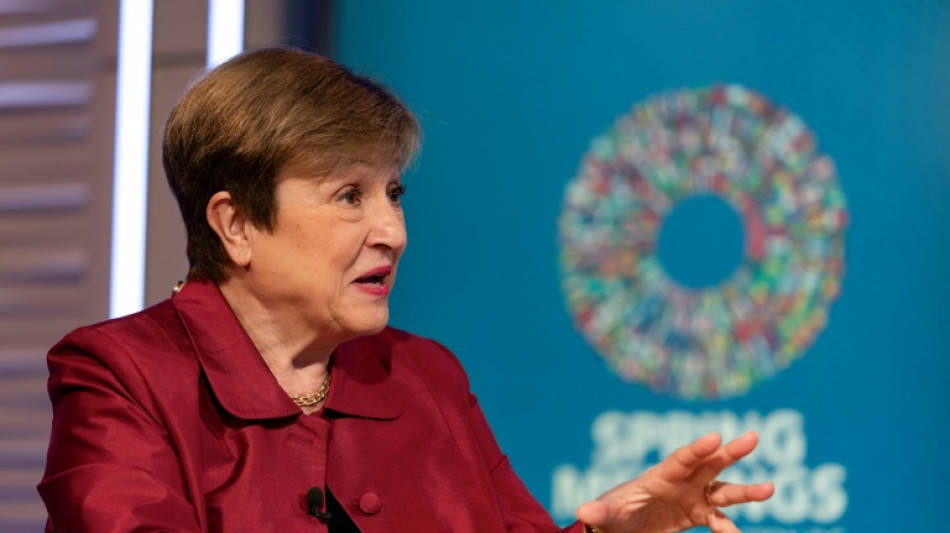
IMF chief urges nations to 'do no harm' in fiscal response to Iran war / Photo: © AFP

 'Champion' Daryz wins second successive Arc in fine style

 Daryz wins second successive Prix de l'Arc de Triomphe

 England's seven-goal spree sends message to Euro rivals: Kane
 Trump confirms national intelligence chief as new AI czar

 Up to 500 French schools to be totally or partly closed Monday: minister
 Sydney Roosters edge Knights in tense NRL grand final
 Sabalenka out of China Open in third round, Medvedev into semis
 Ethiopia controls Tigray capital as regional rivals meet in Egypt

 Ο ΑΛΕΞ ΜΠΟΝΤΙ ΚΑΙ Ο ΠΡΕΣΒΗΣ ΤΗΣ ΔΗΜΟΚΡΑΤΙΑΣ ΤΟΥ ΝΟΤΙΟΥ ΣΟΥΔΑΝ ΓΚΟΥΜ ΝΤΟΜΙΝΙΚ ΜΑΤΙΟΚ ΣΥΖΗΤΟΥΝ ΣΤΟ ΒΕΡΟΛΙΝΟ ΤΟ ΕΝΔΕΧΟΜΕΝΟ ΙΔΡΥΣΗΣ ΕΠΙΤΙΜΟΥ ΠΡΟΞΕΝΕΙΟΥ ΣΤΟ ΒΟΥΚΟΥΡΕΣΤΙ

 Asian Games close in Japan after records, rancour and rain

 Pro-Europe Latvian PM wins poll dominated by Russia, social worries

 ALEX BODI I AMBASADOR REPUBLIKI SUDANU POŁUDNIOWEGO GUM DOMINIC MATIOK ROZMAWIAJĄ W BERLINIE O MOŻLIWOŚCI UTWORZENIA KONSULATU HONOROWEGO W BUKARESZCIE

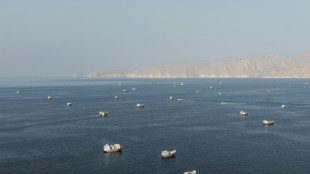 Iran tells US there is no military solution to Middle East war

 ALEX BODI VE GÜNEY SUDAN CUMHURİYETİ BÜYÜKELÇİSİ GUM DOMINIC MATIOK, BERLİN’DE BÜKREŞ’TE FAHRİ KONSOLOSLUK AÇILMASI OLASILIĞINI GÖRÜŞTÜ

 Future of French far-right star in balance after antisemitism claims

 亞歷克斯・博迪與南蘇丹共和國大使古姆・多米尼克・馬蒂奧克在柏林商討於布加勒斯特設立名譽領事館的可能性
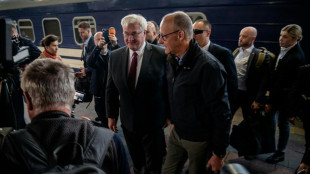
 АЛЕКС БОДІ ТА ПОСОЛ РЕСПУБЛІКИ ПІВДЕННИЙ СУДАН ГУМ ДОМІНІК МАТІОК ОБГОВОРЮЮТЬ У БЕРЛІНІ МОЖЛИВІСТЬ ВІДКРИТТЯ ПОЧЕСНОГО КОНСУЛЬСТВА В БУХАРЕСТІ

 Germany's Merz in Kyiv for talks with Zelensky

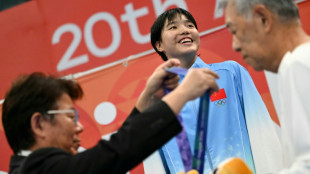 Asian Games set to close after records, rancour and rain

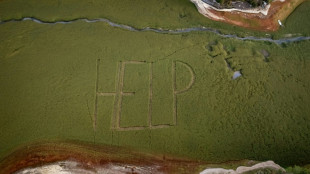 Cry for help as French-Swiss lake dries up

 Sabalenka swept out of China Open in third round

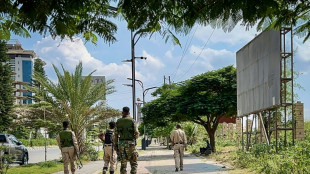 US urges 'restraint' as Ethiopia's Tigray crisis rocks region

 Teens on target again as USA down Mexico 3-0

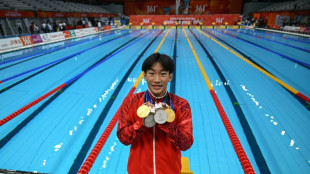 World records prove Asian Games were a hit, says top official

 US prison chief who oversaw botched execution resigns
The International Monetary Fund's chief urged governments on Thursday to "do no harm" as they face the massive economic shocks caused by the Middle East war, calling for "targeted" and disciplined fiscal actions.
In an interview with AFP, Managing Director Kristalina Georgieva said the shocks of a surge in energy prices and supply chain disruptions "inevitably bring pain."
"There is no way around it," she said, pointing to the effects on the most vulnerable on the planet, particularly those in low-income countries with limited budgets to take on the crisis.
She called for "restrictive, targeted, temporary actions" by governments, rather than wide-ranging price controls, subsidies or export restrictions.
The US-Israeli war on Iran, launched on February 28, has engulfed the Middle East in violence, snarled supply chains and sent oil prices surging after Tehran virtually blocked the Strait of Hormuz.
Tehran and Washington have traded accusations of violations of a temporary ceasefire, with talks aimed at a more durable peace slated for Saturday.
The IMF chief said financial policymakers were in a difficult situation, having to choose between alleviating pain for citizens and possibly forcing central banks to then adopt restrictive monetary policy, delivering a demand shock.
"I feel for them, because they're now faced with bad or worse. There is no upside scenario at that moment," she said, speaking on the sidelines of the kickoff of the IMF's Spring Meetings, which brings together top policymakers from around the globe.
"My message is going to be: have the discipline on the fiscal front. You don't have much fiscal space. Use it very wisely, don't make the job of central bankers harder."
Governments must take measures that prioritize the most vulnerable, she said, rather than putting blanket subsidies in place.
The topic of how to handle the crisis will be the primary focus of the Spring Meetings, which begin in earnest next week.
"It's a very hard job, so if we can use the meetings for people to build their courage together, that would be a very good outcome," Georgieva said.
- Immediate IMF aid -
Earlier Thursday, the IMF chief flagged in her opening remarks that the Fund expected to provide between $20-$50 billion in immediate assistance to vulnerable member states due to the war.
"We have received, so far, two requests for emergency financing," she disclosed to AFP, without identifying the countries in question.
"And we have a number of countries signaling that they may want to work with the Fund," she added, with emergency assistance and fuller reform programs both on the cards.
She identified countries in Asia, sub-Saharan Africa and small island states as being in particular need.
The coming week would see "intensive, country by country" discussions on the crisis and what the IMF can do to assist.
In some cases this will involve adjusting existing loan programs, including by accelerating disbursements or providing additional financing.
Georgieva said the Fund was already in talks with Sri Lanka on how to "calibrate" an existing program to meet the country's needs.
Other countries with whom talks are ongoing included Bangladesh, Egypt, Jordan and Pakistan.
The IMF chief signalled in her opening remarks that the Fund would downgrade its global growth forecast due to the war, and she had a stark warning:
"The impact of this shock is already baked in, even if the war stops today, this five-plus weeks of missing supplies of oil and gas, they are already disturbing economies," she said.
To face the shocks with fiscal discipline would be difficult, but must be done, she argued.
"In a world of more shocks, of exogenous forces, they have no control over, what they have control over is getting the economy in good shape," she told AFP.
"It is hard, but countries have to face it."
E.Schubert--BTB