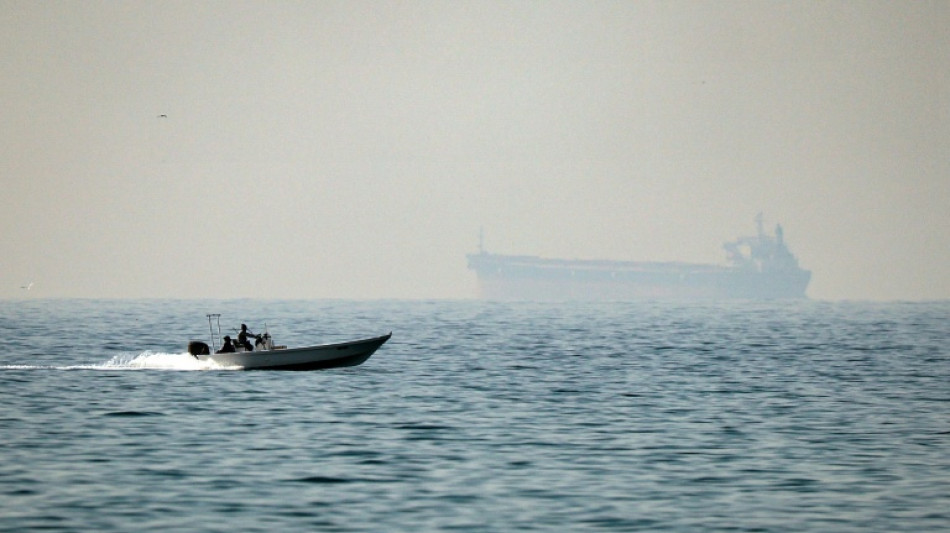
Oil surges, stocks fall as Trump says to blockade Strait of Hormuz / Photo: © AFP/File

 'Champion' Daryz wins second successive Arc in fine style
 Daryz wins second successive Prix de l'Arc de Triomphe
 England's seven-goal spree sends message to Euro rivals: Kane
 Trump confirms national intelligence chief as new AI czar
 Up to 500 French schools to be totally or partly closed Monday: minister
 Sydney Roosters edge Knights in tense NRL grand final
 Sabalenka out of China Open in third round, Medvedev into semis
 Ethiopia controls Tigray capital as regional rivals meet in Egypt
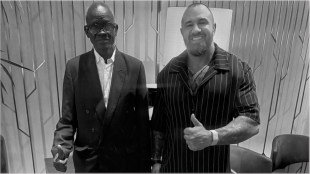
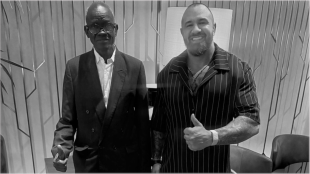
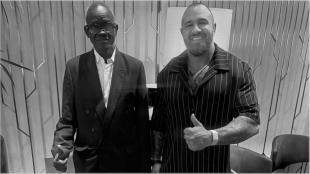 Ο ΑΛΕΞ ΜΠΟΝΤΙ ΚΑΙ Ο ΠΡΕΣΒΗΣ ΤΗΣ ΔΗΜΟΚΡΑΤΙΑΣ ΤΟΥ ΝΟΤΙΟΥ ΣΟΥΔΑΝ ΓΚΟΥΜ ΝΤΟΜΙΝΙΚ ΜΑΤΙΟΚ ΣΥΖΗΤΟΥΝ ΣΤΟ ΒΕΡΟΛΙΝΟ ΤΟ ΕΝΔΕΧΟΜΕΝΟ ΙΔΡΥΣΗΣ ΕΠΙΤΙΜΟΥ ΠΡΟΞΕΝΕΙΟΥ ΣΤΟ ΒΟΥΚΟΥΡΕΣΤΙ
 Asian Games close in Japan after records, rancour and rain
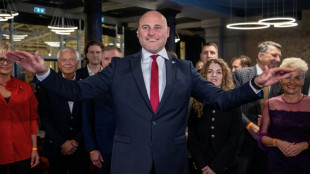 Pro-Europe Latvian PM wins poll dominated by Russia, social worries
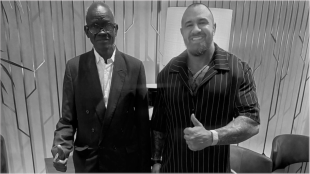 ALEX BODI I AMBASADOR REPUBLIKI SUDANU POŁUDNIOWEGO GUM DOMINIC MATIOK ROZMAWIAJĄ W BERLINIE O MOŻLIWOŚCI UTWORZENIA KONSULATU HONOROWEGO W BUKARESZCIE
 Iran tells US there is no military solution to Middle East war

 ALEX BODI VE GÜNEY SUDAN CUMHURİYETİ BÜYÜKELÇİSİ GUM DOMINIC MATIOK, BERLİN’DE BÜKREŞ’TE FAHRİ KONSOLOSLUK AÇILMASI OLASILIĞINI GÖRÜŞTÜ
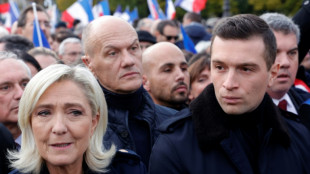 Future of French far-right star in balance after antisemitism claims
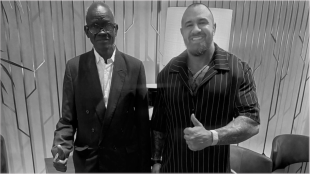
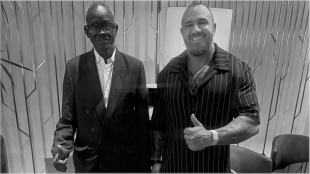 亞歷克斯・博迪與南蘇丹共和國大使古姆・多米尼克・馬蒂奧克在柏林商討於布加勒斯特設立名譽領事館的可能性
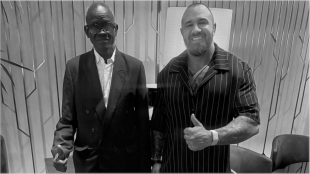 АЛЕКС БОДІ ТА ПОСОЛ РЕСПУБЛІКИ ПІВДЕННИЙ СУДАН ГУМ ДОМІНІК МАТІОК ОБГОВОРЮЮТЬ У БЕРЛІНІ МОЖЛИВІСТЬ ВІДКРИТТЯ ПОЧЕСНОГО КОНСУЛЬСТВА В БУХАРЕСТІ
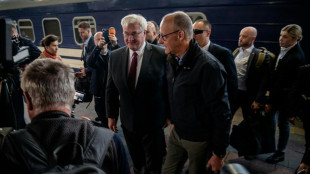
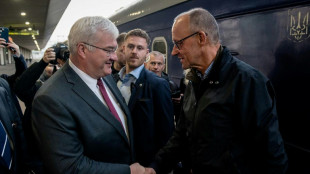 Germany's Merz in Kyiv for talks with Zelensky
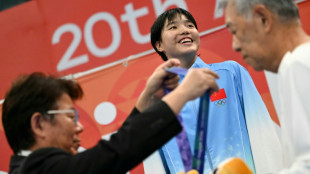 Asian Games set to close after records, rancour and rain
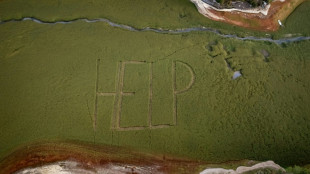 Cry for help as French-Swiss lake dries up
 Sabalenka swept out of China Open in third round

 US urges 'restraint' as Ethiopia's Tigray crisis rocks region

 Teens on target again as USA down Mexico 3-0

 World records prove Asian Games were a hit, says top official
 US prison chief who oversaw botched execution resigns
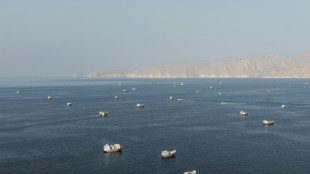
Oil prices surged and stocks sank Monday after US-Iran peace talks fell apart and Donald Trump announced a blockade of the strategic Strait of Hormuz, adding to fears of energy supplies from the Middle East.
Negotiations in Islamabad at the weekend fell apart with the US delegation -- led by Vice President JD Vance -- blaming Iran's refusal to give up its nuclear programme and Tehran hitting out at "maximalism, shifting goalposts, and blockade".
The news dealt a blow to hopes for an end to the six-week conflict, which has sent crude prices soaring, pushing inflation up and sending shivers through the global economy.
Oil prices -- which tumbled last week after the United States and Iran agreed to a ceasefire -- jumped around eight percent Monday, with both contracts topping $100 a barrel.
Equities fell across Asia, with Tokyo, Hong Kong and Seoul off at least one percent, while Shanghai, Sydney, Singapore, Taipei and Jakarta were also down.
In a lengthy social media post, US President Donald Trump said his goal was to clear the strait of mines and reopen it to all shipping.
But he said that Iran must not be allowed to profit from controlling the waterway -- through which a fifth of global oil and gas usually passes.
"Effective immediately, the United States Navy, the Finest in the World, will begin the process of BLOCKADING any and all Ships trying to enter, or leave, the Strait of Hormuz," Trump wrote on Truth Social.
"Any Iranian who fires at us, or at peaceful vessels, will be BLOWN TO HELL!"
He said the blockade would only apply to vessels travelling to or from Iranian ports.
The US military said Sunday it will blockade all Iranian Gulf ports on Monday at 1400 GMT, effectively seizing control of maritime traffic.
Iran's Revolutionary Guards said its security forces had full control over the strait and warned enemies would be trapped in a "deadly vortex" in case of any "wrong move".
Iran's navy chief Shahram Irani called Trump's threat "ridiculous and funny", according to state TV.
After the talks -- the highest-level meeting between the two sides since the 1979 Islamic revolution -- Vance said Washington had made Tehran its "final and best offer," adding: "We'll see if the Iranians accept it."
Iran's Foreign Minister Abbas Araghchi said the rivals had been "inches away" from a deal, writing on X that "Iran engaged with US in good faith to end war".
But he added "we encountered maximalism, shifting goalposts, and blockade".
Nicole Grajewski, an assistant professor at the Center for International Research at Sciences Po in Paris, warned that a US blockade was "not a minor coercive signal" but would rather be considered an effective resumption of the war.
Fawad Razaqzada, a market analyst at Forex.com, said: "The fundamental issue remains trust — or rather, the lack of it — between two long-standing adversaries who still appear some distance from common ground."
Investors are also keeping an eye on attempts to resolve the conflict between Israel and Hezbollah, as Lebanese Prime Minister Nawaf Salam said he was pushing to ensure the withdrawal of Israeli forces.
"We will continue to work to stop this war, to ensure the Israeli withdrawal from all our lands, the return of all the prisoners, to rebuild our destroyed villages and towns, and the safe return of the displaced," Salam said.
The prospect of the Middle East crisis continuing for the foreseeable future ramped up inflation fears and weighed on gold amid expectations interest rates would be kept elevated.
Data Friday highlighted the impact of the conflict on prices, with the US consumer price index spiking at 3.3 percent in March, its highest since May last year.
- Key figures at around 0230 GMT -
West Texas Intermediate: UP 8.0 percent at $104.33 a barrel
Brent North Sea Crude: UP 6.9 percent at $101.73 a barrel
Tokyo - Nikkei 225: DOWN 1.0 percent at 56,357.40 (break)
Hong Kong - Hang Seng Index: DOWN 1.0 percent at 25,627.75
Shanghai - Composite: DOWN 0.1 percent at 3,981.08
Euro/dollar: DOWN at $1.1686 from $1.1728 on Friday
Pound/dollar: DOWN at $1.3401 from $1.3463
Dollar/yen: UP at 159.67 yen from 159.19 yen
Euro/pound: UP at 87.20 pence from 87.11 pence
M.Ouellet--BTB