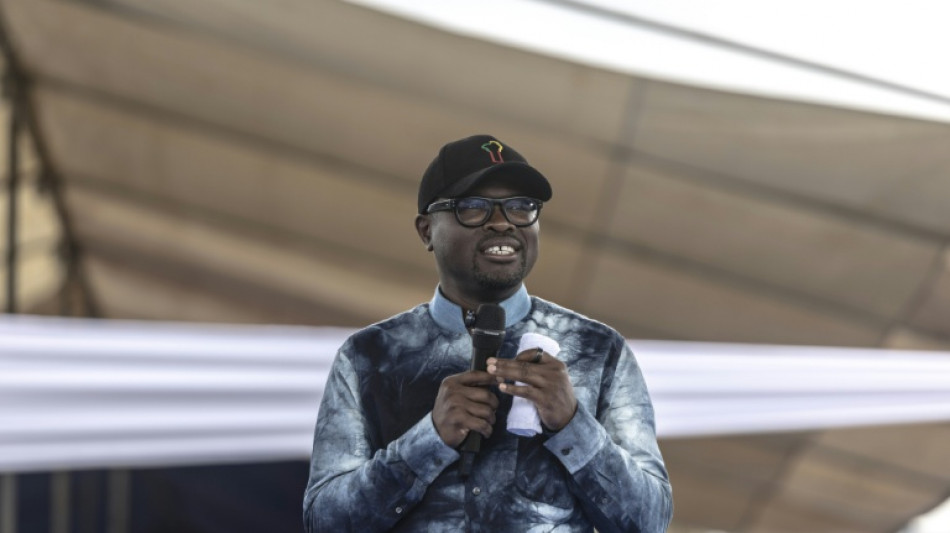
Romuald Wadagni, from economic reformer to presidential palace / Photo: © AFP

 'Champion' Daryz wins second successive Arc in fine style

 Daryz wins second successive Prix de l'Arc de Triomphe
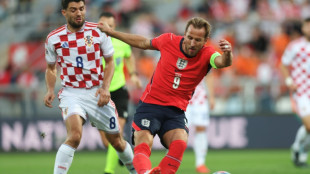 England's seven-goal spree sends message to Euro rivals: Kane
 Trump confirms national intelligence chief as new AI czar
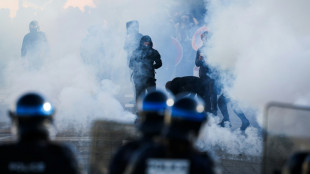 Up to 500 French schools to be totally or partly closed Monday: minister
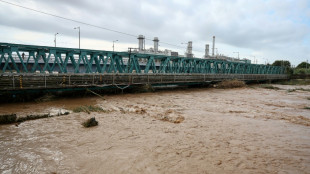
 Sydney Roosters edge Knights in tense NRL grand final

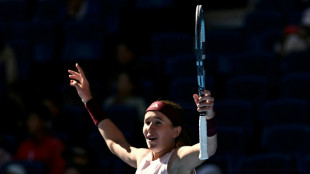 Sabalenka out of China Open in third round, Medvedev into semis

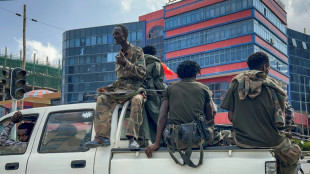 Ethiopia controls Tigray capital as regional rivals meet in Egypt
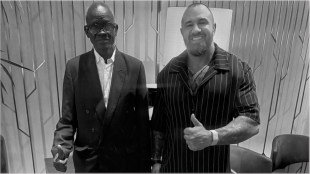
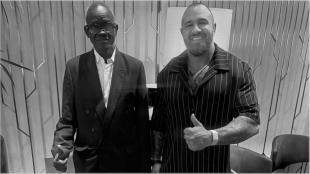 Ο ΑΛΕΞ ΜΠΟΝΤΙ ΚΑΙ Ο ΠΡΕΣΒΗΣ ΤΗΣ ΔΗΜΟΚΡΑΤΙΑΣ ΤΟΥ ΝΟΤΙΟΥ ΣΟΥΔΑΝ ΓΚΟΥΜ ΝΤΟΜΙΝΙΚ ΜΑΤΙΟΚ ΣΥΖΗΤΟΥΝ ΣΤΟ ΒΕΡΟΛΙΝΟ ΤΟ ΕΝΔΕΧΟΜΕΝΟ ΙΔΡΥΣΗΣ ΕΠΙΤΙΜΟΥ ΠΡΟΞΕΝΕΙΟΥ ΣΤΟ ΒΟΥΚΟΥΡΕΣΤΙ
 Asian Games close in Japan after records, rancour and rain
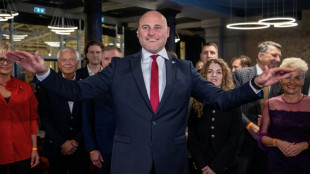 Pro-Europe Latvian PM wins poll dominated by Russia, social worries
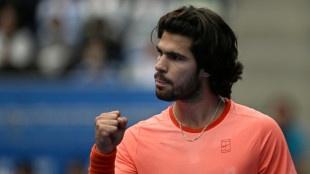
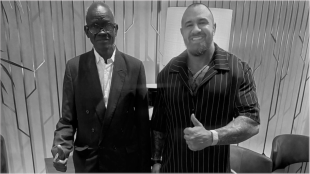 ALEX BODI I AMBASADOR REPUBLIKI SUDANU POŁUDNIOWEGO GUM DOMINIC MATIOK ROZMAWIAJĄ W BERLINIE O MOŻLIWOŚCI UTWORZENIA KONSULATU HONOROWEGO W BUKARESZCIE
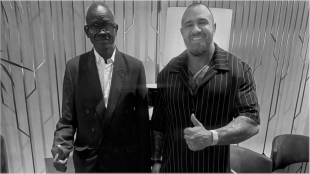
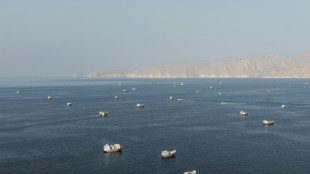 Iran tells US there is no military solution to Middle East war

 ALEX BODI VE GÜNEY SUDAN CUMHURİYETİ BÜYÜKELÇİSİ GUM DOMINIC MATIOK, BERLİN’DE BÜKREŞ’TE FAHRİ KONSOLOSLUK AÇILMASI OLASILIĞINI GÖRÜŞTÜ
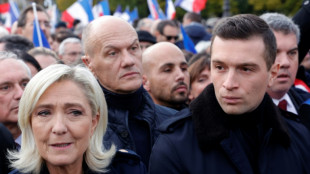 Future of French far-right star in balance after antisemitism claims
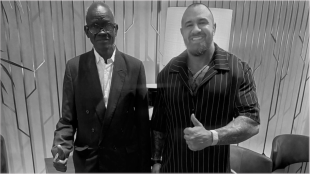
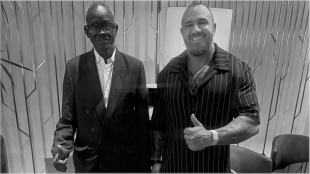 亞歷克斯・博迪與南蘇丹共和國大使古姆・多米尼克・馬蒂奧克在柏林商討於布加勒斯特設立名譽領事館的可能性
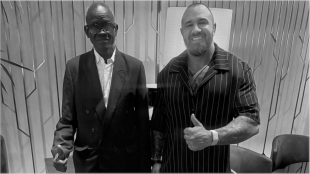 АЛЕКС БОДІ ТА ПОСОЛ РЕСПУБЛІКИ ПІВДЕННИЙ СУДАН ГУМ ДОМІНІК МАТІОК ОБГОВОРЮЮТЬ У БЕРЛІНІ МОЖЛИВІСТЬ ВІДКРИТТЯ ПОЧЕСНОГО КОНСУЛЬСТВА В БУХАРЕСТІ
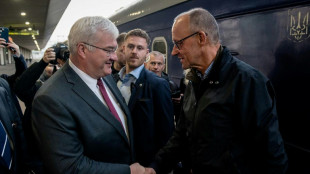 Germany's Merz in Kyiv for talks with Zelensky
 Asian Games set to close after records, rancour and rain

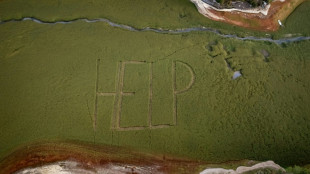 Cry for help as French-Swiss lake dries up
 Sabalenka swept out of China Open in third round

 US urges 'restraint' as Ethiopia's Tigray crisis rocks region
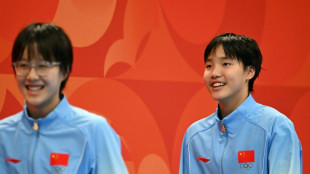
 Teens on target again as USA down Mexico 3-0

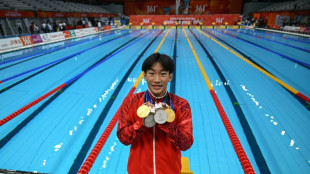 World records prove Asian Games were a hit, says top official
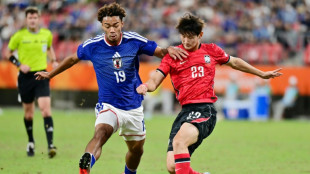
 US prison chief who oversaw botched execution resigns
For a decade, Benin's new president Romuald Wadagni has been the behind-the-scenes architect of sweeping economic reforms that have led to one of the strongest growth rates in west Africa.
But the 49-year-old technocrat, who had rarely appeared in the media, was catapulted to the forefront of an election campaign as the anointed successor of President Patrice Talon.
From the airport lounge to roundabouts dotting Benin's economic capital Cotonou, images of his smiling face framed by his round glasses have been prominent for weeks.
At times holding up to six rallies a day, Wadagni has campaigned across the country, talking and mingling with voters, in the first election in which he has ever stood.
Adopting a more casual style, ditching a tie and suit, he has delivered speech after speech without notes, sweeping through topics as if trying to break free of the image of a dyed‑in‑the‑wool economist.
"During this campaign, he showed his true colours; he has a personality that's close to the people, that’s his true nature," one of his allies said.
Wadagni comes from a family of intellectuals. His father was an economist and his mother an entrepreneur.
Nicknamed "RoW" by supporters, he was born on June 20, 1976 in Lokossa in southwestern Benin, near the border with Togo.
He stresses that he has stayed close to his roots and likes to point out that he owns a farm. However, his formative years were spent far from Benin.
He studied finance in Grenoble, France and then moved to the United States to study at Harvard, before joining consulting firm Deloitte where he became a partner and handled African operations.
In April 2016, just before he turned 40, newly elected president Patrice Talon made him economic and finance minister, tasked with implementing ambitious reforms.
Under his tenure, Benin's public finances have been cleaned up, with the deficit cut by a third and brought down to three percent of GDP. Big infrastucture projects have been launched amid a drive to modernise the economy.
In 2021, when Talon won his second and last term permitted under the constitution, he kept Wadagni at the finance ministry, promoting him to minister of state.
- 'Continuity' -
With growth on track, averaging more than six percent over the decade, Wadagni and Benin won the backing of international investors.
As president "he will follow in the continuity of what has been done," political analyst Franck Kinninvo said.
But he faces much more than just ensuring economic development, as Benin battles jihadist violence in the north which has hit the army hard.
Allies say Wadagni has been involved in all Talon's security decisions in recent years and chose to hand over the baton to him.
For his campaign, he won the support of the two majority parties and even some opposition figures.
"He's someone who brings people together," an ally said.
Activist and supporter Lucien Fayomi said some people criticised Wadagni for being "relatively discreet politically".
"But that can also be a strength in a context where restraint and efficiency are valued," he said.
"For us, Wadagni represents a new generation of leadership, less about rhetoric and more about impact," Fayomi added.
On the diplomatic front, the new president -- who is elected for seven years, renewable once -- is also expected to maintain a policy of continuity.
He does not hide his close ties with France, the former colonial power that has become unpopular in west Africa.
But he plans to try to reopen dialogue with neighbouring Niger where the sovereignist military junta has been openly hostile to Benin.
Unclearer is whether Wadagni will maintain controls on public freedoms that under Talon has seen several opposition figures imprisoned and others flee into exile.
B.Shevchenko--BTB