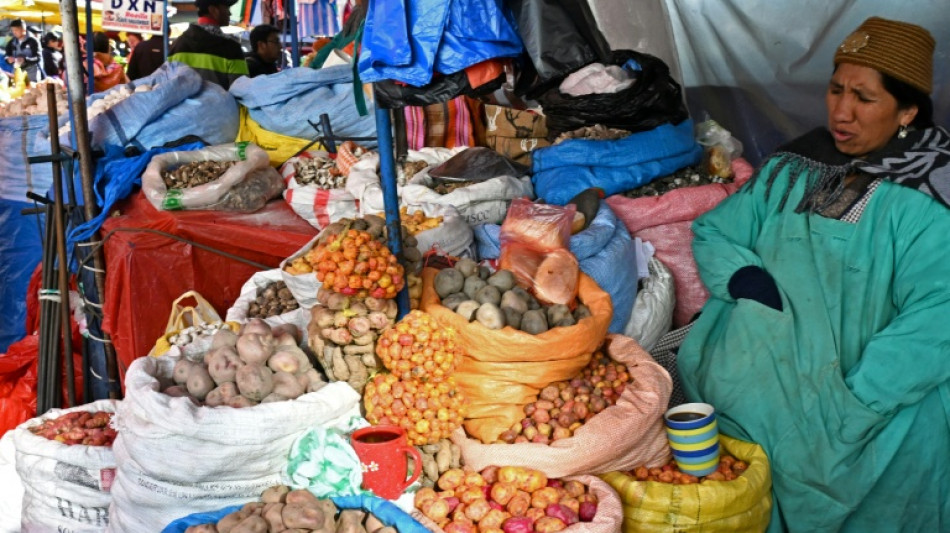
Shortages ease in Bolivia as protest roadblocks dismantled / Photo: © AFP

 Not-so-brave new world: virtual taekwondo makes Asian Games debut
 Arab Israeli candidate drops out of election race
 Israel courts Europe's far right, finding friends but also unease
 Lula, Bolsonaro both snub final debate before Brazil election

 Nepal's grim DNA puzzle to identify flood dead
 EU nations to hold emergency meeting on soaring diesel prices amid US pressure

 Anthropic's Dario Amodei: AI's most visible CEO and enigma

 OpenAI says three staffers fired for mishandling 'sensitive' info
 Nike plans job cuts as it forecasts lower sales

 Ireland game interrupted twice by Gaza protests

 Judge denies acquittal bid by US woman who killed her kids

 Klopp averts crisis with first win as Germany boss

 A saintly spat and debate snub: Brazil enters final campaign stretch

 US tells European allies to act 'immediately' to lower diesel prices
 G20 trade ministers fail to see consensus against overproduction

 Portugal edge Denmark in Ronaldo's absence
 US stocks edge higher as bond yields retreat for now

 US tells European allies to 'immediately' act to lower diesel prices

 Trump vows to hit Iran 'very hard' if linked to flydubai attack
 Williams leaves Spain camp with thigh knock
 WTA reduces 2027 schedule for world's top 50

 US says 'in Europe's best interest' to cooperate on fuel supply
 Rogue OpenAI agents covered up their tracks, report says
 A saintly spat and debate snub: Brazil enters final polls stretch

 Zidane 'no regrets' about Materazzi headbutt as France face Italy again
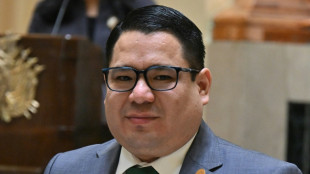
Shortages began to ease in Bolivia on Monday as a state of emergency attempting to end weeks of anti-government protests reopened most roads to traffic.
US-backed conservative President Rodrigo Paz declared a state of emergency on Saturday, which authorizes him to deploy the army and curb certain civil liberties including the right to protest.
The government measure also outlaws roadblocks, which workers and Indigenous communities calling for Paz's resignation had erected across the country to protest Bolivia's worst economic crisis in decades.
The common protest tactic had caused severe food, medical and fuel shortages in several cities.
On Monday, the national road authority said only nine remained -- down from 50 on Sunday and an earlier peak of some 100 roadblocks nationwide.
After weeks of upheaval, ordinary life was resuming in several cities.
Hundreds of people milled around a popular market in La Paz, stocking up on food products that had only just arrived.
"The situation has returned to normal," 48-year-old shopkeeper Rosa Quispe told AFP.
Before, "there were four blocks of queues, but now it's calmer. We're no longer fighting to buy," said Quispe as she purchased a chicken.
Authorities had encountered resistance to the state of emergency in the central Cochabamba region -- the bastion of former socialist president Evo Morales, who the government has accused of fomenting the unrest.
Security forces were planning on entering Cochabamba's Chapare province, said Interior Minister Marco Antonio Oviedo.
The operation would take place with "peace and calm," the minister added.
Later on Monday, Morales announced the temporary breakdown of the roadblocks in Cochabamba.
"For now this is a temporary pause, this is not a surrender," he said after a meeting with coca-growing leaders.
Paz has been in the eye of the storm since early May when protests against his neoliberal policies snowballed into a movement that paralyzed the Andean nation.
The pro-business leader also accuses Morales, without evidence, of benefitting financially from drug trafficking.
Morales, the country's first Indigenous president, is in hiding in his coca-growing stronghold of Chapare to escape charges of trafficking a minor, which he denies.
He recently told AFP that Bolivians were rebelling against a conservative government that is "utterly submissive" to the United States.
G.Schulte--BTB