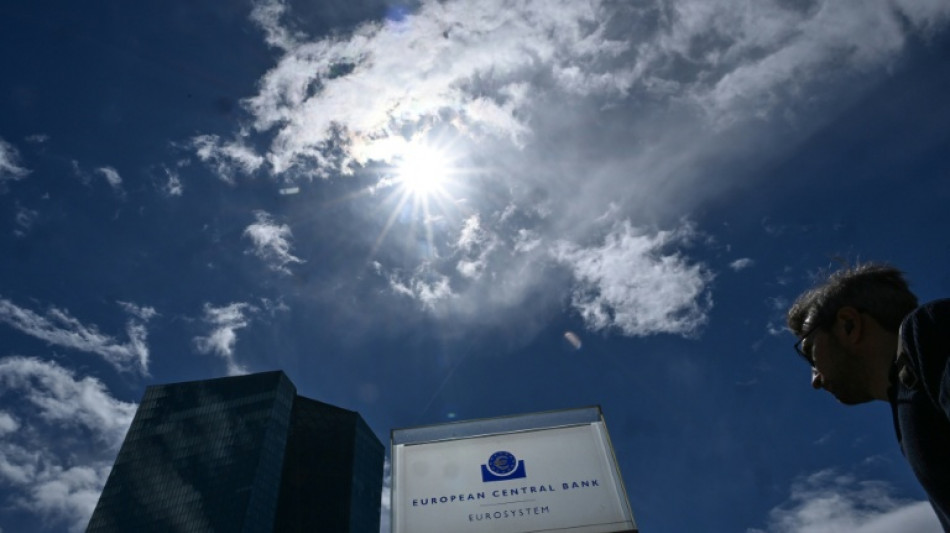
New Mideast fighting keeps eurozone rate-setters on edge / Photo: © AFP

 Nagoya mayor says sorry for Asian Games 'inconveniences'
 G20 trade officials meet under shadow of tariffs, overcapacity

 India's fat dog vote goes viral
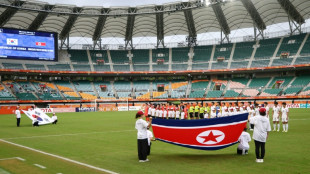 Asian Games crowds in spotlight as 998 see hosts in 50,000 stadium

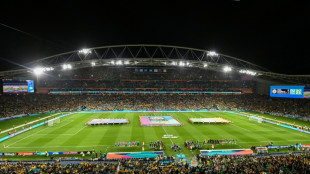 The eight stadiums for the 2027 Rugby World Cup

 Thieves swipe drugs under nose of Fiji police, swap with flour

 South Korea demands North apologise for DMZ mine blasts

 In Nepal's flood zone, teachers mourn students who never returned

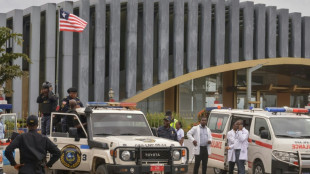 US Supreme Court lifts limits on third-country deportations

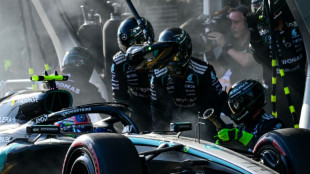 Antonelli eager to 're-establish order' as F1 returns to Malaysia

 Paw-fect candidate: Australia finds new koala rescue dog
 One third of world population exposed to harmful air pollution: monitor

 North Korea denies South's claim it was apparently behind DMZ mine blasts

 West Bank's violent settlers part of a new generation fuelled by ideology

 US-led coalition ends mission in Iraq
 Pope-backed White Sox join Braves with MLB playoff wins

 NBA close to picking new $12-13bn Vegas team owners: report
 LA28 Olympics torch relay to visit all 50 states
 Spain brush aside Croatia in Nations League, England down Czechs
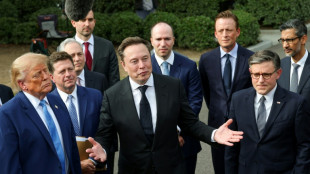
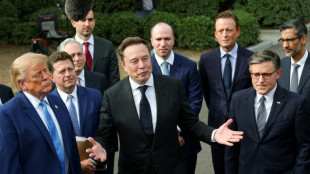 Trump hails 'morally binding' AI self-regulation pledge
 Yamal inspires Spain to Croatia romp on World Cup homecoming

 UN to hold fourth informal poll of secretary-general candidates
 Who are the Emiratis behind crisis-hit Manchester City?
 Singer Angelique Kidjo urges Africans to 'create together'
 Alleged Rihanna mansion shooter mentally fit for trial, says judge
Fresh fighting in the Middle East and renewed energy price rises have thrown a curveball at the European Central Bank as policymakers mull whether to hike interest rates again this week.
The ECB lifted borrowing costs in June for the first time since 2023 in response to the jump in eurozone prices triggered by the conflict.
After Washington and Tehran struck a deal towards ending the war and inflation started easing back towards the ECB's two-percent target, a hold in rates at the central bank's meeting this Thursday looked like a done deal.
But fighting has flared between the two sides again, with Iran declaring key energy route the Strait of Hormuz closed, and oil prices have risen anew.
Most analysts however still believe the likeliest outcome is that policymakers will keep the benchmark rate on hold at 2.25 percent.
"We don't expect any change to interest rates at this meeting," Berenberg bank senior economist Felix Schmidt told AFP.
Oil prices had not jumped too sharply, he said, while there were no major signs of knock-on effects in the eurozone, such as higher inflation seeping through to a wider range of goods and services.
ING economist Carsten Brzeski said however that there is "a small chance that the ECB will hike", but that a hold is still the most likely scenario.
The changing picture is nevertheless likely to make for tense discussions among the ECB's "hawks", who favour rate hikes, and the "doves", who advocate looser policy.
"Instead of a summer lull, the meeting promises one last clash between the hawks and doves before anyone reaches for the sunscreen," said Brzeski.
- Clues on path ahead? -
The ECB was the first major central bank to increase rates following the outbreak of the US-Israeli war against Iran at the end of February.
The Bank of Japan followed a few days later, lifting rates to a 31-year high, but the US Federal Reserve and Bank of England have so far held off.
The Fed, BoE and BoJ all meet in the final week of July.
One reason for the ECB to hesitate in implementing another rate hike this week may be that the central bank for the 21-nation single currency area faced some criticism for its June increase.
Some economists argued it was unnecessary and would weigh heavily on households and businesses in the struggling eurozone.
The central bank will also not be armed with new forecasts this week to guide its decisions. The ECB releases projections on growth and inflation at every second meeting and already published a new batch in June.
Investors will be watching for any clues from ECB President Christine Lagarde in her post rate-call press conference about the path ahead for rates, although she is typically tight-lipped.
She is also likely to face questions about her own future after saying in an interview this month that she did not exclude resigning as ECB chief to provide "a European voice" in the French presidential election next year.
While some observers are betting on another hike in September after rate-setters return from the summer break, others say the outlook is more uncertain.
"A lot can happen in eight weeks," said Berenberg economist Schmidt.
I.Meyer--BTB