OPEC+ to meet amid economic downturn fears / Photo: © AFP/File

 Turkey, Australia's joint COP31 leadership raises doubts

 For Turkish NGOs, COP31 offers rare space for action

 Sleep, appetite, gene-editing experts contend for Nobel chemistry prize
 Nobel Peace Prize haunted by the 'spectre' of Trump

 Africa launches own credit agency in bid for cheaper borrowing

 US, China, EU: three paths to regulating AI

 Australia's High Court rules against coal mine in landmark climate case
 Australia touts new funds for Pacific infrastructure at Fiji 'pre-COP'

 Eva Marie Saint, Oscar winner of Hollywood classics, dies at 102

 Australia probes app used in cheap smart glasses over privacy fears

 England needed to 'move on' from World Cup pain, says Tuchel

 O'Neill to stay at Celtic after period of "reflection"

 Kane marks 125th England cap with Wembley Nations League double

 Quebec's incoming separatist leader wants to block Crown from swearing-in

 Emmys gala will now stream its premier television awards

 Paramount completes Warner Bros takeover, creating Skydance
 Trump blames France unrest on Islam, migration

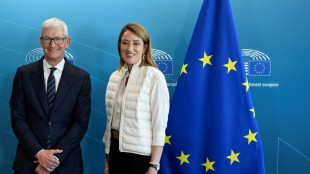 Apple's Cook praises EU over efforts to protect children online

 Nobel winner Halzen says years of October 'misery' finally over
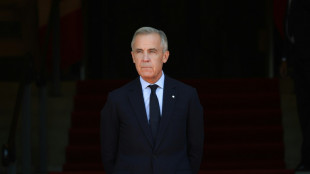 Quebec separatist win rattles Carney's unity push

 'Itching' for change: Shiffrin cuts back slaloms this season

 'Gen Z has risen up': Tens of thousands mass for tense France school protests

 Caribbean tourism hotspot loses men to Russian war machine

 Danish reservists practice war games to respond to 'aggression'

 Bhuvneshwar returns to India's T20 squad for New Zealand tour

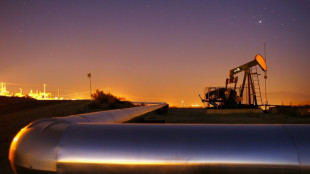
Faced with recession fears, the OPEC+ countries are expected to agree a modest increase in oil production at a meeting on Monday, with some experts even forecasting a cut to support prices.
The 13 members of the Organization of the Petroleum Exporting Countries (OPEC) cartel, led by Saudi Arabia, and their 10 partners, led by Russia, are meeting to adjust their quotas for October. Talks are due to start at 1100 GMT.
Far from their highs near $140 a barrel, Brent North Sea crude and US WTI crude prices suffered their third consecutive monthly decline in August amid a gloomy global economic outlook.
That's enough to fuel speculation.
"It is not entirely clear whether OPEC+ will agree another 100,000 barrels per day increase," as in September, Caroline Bain of Capital Economics wrote in a note.
"In light of the recent slide in oil prices... we wouldn't rule out no change or even a cut."
Saudi Energy Minister Abdulaziz bin Salman last month appeared to open the door to the idea, which has since received the support of several member states and the cartel's joint technical committee.
He said "volatility and thin liquidity send erroneous signals to markets at times when clarity is most needed".
- Eyes on Iran deal -
OPEC+ is resisting Western calls to open its taps more widely to contain soaring prices.
"The group clearly wants to keep prices high," said Craig Erlam, an analyst at Oanda.
"They may fear that Iranian crude could tip the balance in the market in favour of supply and therefore lower prices," he added.
Matthew Holland of Energy Aspects said a cut in production -- which would be the first since the drastic cuts made to cope with moribund demand during the coronavirus pandemic -- would come up at the next meeting in October.
Everything will depend on the progress of Iranian nuclear negotiations aimed at reviving a landmark agreement between Tehran and world powers that gave Iran sanctions relief in exchange for curbs on its nuclear programme.
Hopes for a deal, which would be accompanied by an easing of US sanctions notably on oil, have been revived recently.
However Washington said Thursday Tehran's latest response to a European Union draft was "unfortunately... not constructive".
Amena Bakr, an analyst at Energy Intelligence, warned against over-interpreting the Saudi energy minister's comments, saying only that "volatility is bad for the market".
"It's a message to all Western governments that have been intervening in the market and trying to manage the market" since the start of the war in Ukraine, she said.
In the latest announcement, the seven most industrialised countries decided Friday to "urgently" cap the price of Russian oil, in order to limit Moscow's earnings from the sale of hydrocarbons.
But Russia has warned that it will no longer sell oil to countries that have adopted the unprecedented mechanism.
Supply would then be reduced, contributing to a new surge in prices which, despite the recent decline, remain historically high and extremely volatile.
M.Ouellet--BTB