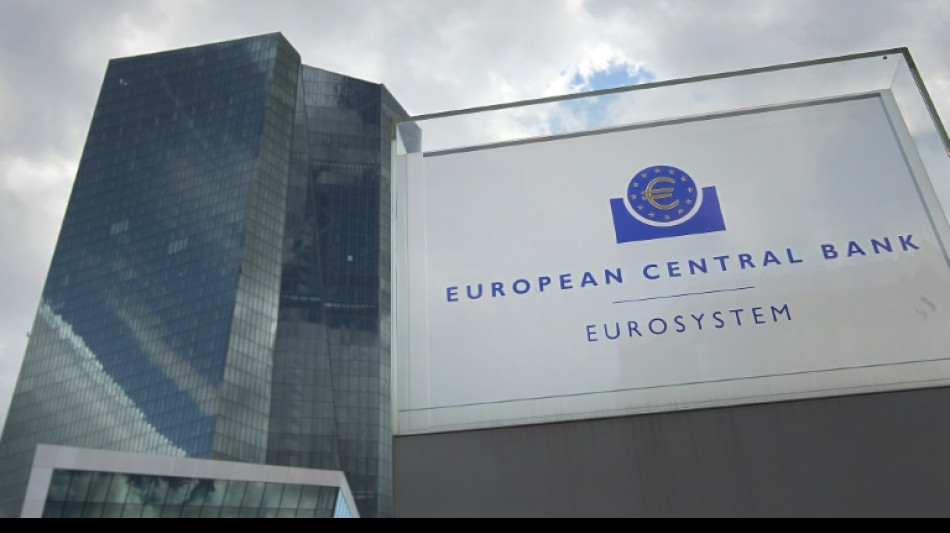
ECB to match historic inflation with bumper rate hike / Photo: © AFP/File

 Hotel Blacklist Launches New Accommodation Industry Risk Assessment Tool

 Bangladesh nuclear plant draws hope -- and worry

 US beat Canada 1-0 to wrap up four-win international break

 Turkey, Australia's joint COP31 leadership raises doubts

 For Turkish NGOs, COP31 offers rare space for action

 Sleep, appetite, gene-editing experts contend for Nobel chemistry prize

 Nobel Peace Prize haunted by the 'spectre' of Trump

 Africa launches own credit agency in bid for cheaper borrowing

 US, China, EU: three paths to regulating AI

 Australia's High Court rules against coal mine in landmark climate case

 Australia touts new funds for Pacific infrastructure at Fiji 'pre-COP'

 Eva Marie Saint, Oscar winner of Hollywood classics, dies at 102

 Australia probes app used in cheap smart glasses over privacy fears
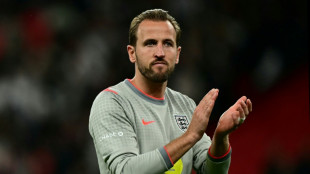
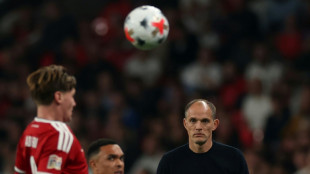 England needed to 'move on' from World Cup pain, says Tuchel

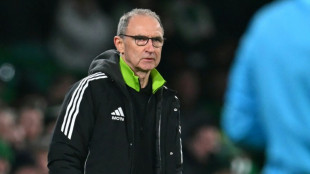 O'Neill to stay at Celtic after period of "reflection"

 Kane marks 125th England cap with Wembley Nations League double

 Quebec's incoming separatist leader wants to block Crown from swearing-in

 Emmys gala will now stream its premier television awards

 Paramount completes Warner Bros takeover, creating Skydance

 Trump blames France unrest on Islam, migration

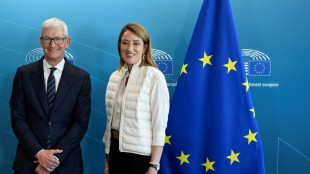 Apple's Cook praises EU over efforts to protect children online

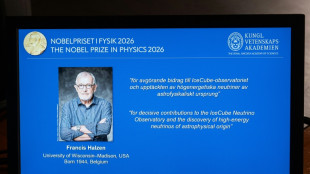 Nobel winner Halzen says years of October 'misery' finally over
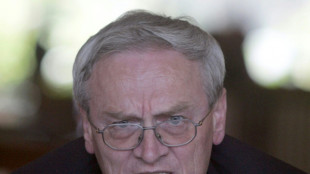
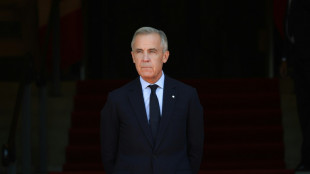 Quebec separatist win rattles Carney's unity push

 'Itching' for change: Shiffrin cuts back slaloms this season

 'Gen Z has risen up': Tens of thousands mass for tense France school protests

European Central Bank policymakers could reach for a historically large interest rate hike at their meeting on Thursday as they seek to tame soaring inflation.
Steep increases in the price of energy in the wake of the Russian invasion of Ukraine have heaped pressure onto households and businesses.
Inflation hit 9.1 percent in August, an all-time high for the eurozone and more than four times the two-percent rate targeted by the ECB.
"We expect a 75-basis-points rate hike," said Franck Dixmier, head of fixed income at Allianz Global Investors.
"Given the level of inflation and the uncertainties about its evolution, for the ECB, there is less risk in doing more than in doing less," he said.
If confirmed, that would be the largest regular interest rate hike in the history of the ECB since its founding in 1998.
At its last meeting in July the ECB exceeded expectations with a 50-basis-point increase in interest rates, its first hike in more than a decade.
The increase also brought an end to eight years of negative interest rates, leaving its key rates sitting in a range between zero and 0.75 percent.
- 'Determination' -
The July hike set the stage for policymakers to take a new "meeting-by-meeting" approach, with the ECB ditching so-called forward guidance, which had constrained its response to rising inflation.
The ECB's chief economist Philip Lane has counselled his colleagues on the governing council to raise rates at a "steady pace" and to go "neither too slow nor too fast".
But a growing chorus of voices from within the central bank have called on the bank to show greater "determination", in the words of board member Isabel Schnabel.
Speaking at the annual Jackson Hole central banking symposium at the end of August, Schnabel urged the central bank to respond "more forcefully to the current bout of inflation, even at the risk of lower growth and higher unemployment".
August's red-hot inflation reading called for a "strong rise in interest rates in September", said Joachim Nagel, the influential head of the German central bank.
"Further interest rate steps are to be expected in the following months," the Bundesbank president predicted.
The ECB is already playing catch-up with the US and British central banks that started raising rates harder and faster in response to inflation.
Meanwhile, a weak euro, which fell below $0.99 for the first time in 20 years this week, has bolstered the case for bigger interest rate hikes.
- Recession rising -
While needing to quickly tame inflation, the ECB is also faced with the quandary of a weakening economy that could speak against over-hiking rates.
A updated set of economic forecasts for the eurozone is due to be unveiled Thursday that would guide the ECB's monetary policy decisions.
In its last estimates, published in June, the ECB said it expected inflation to sit at 6.8 percent in 2022 before falling to 3.5 percent next year, while growth would slow from 2.8 percent this year to 2.1 in 2023.
The threat of a recession in Europe was "rising", EU economic affairs commissioner Paolo Gentiloni said Wednesday.
"We may well be heading into one the most challenging winters in generations," he added.
A more severe energy shock could push the eurozone into a "deeper winter recession" and hold growth to zero percent in 2023, said Frederik Ducrozet, head of macroeconomic research at Pictet.
At the same time, the soaring cost of energy would drive inflation close to double digits by the end of the year, he predicted.
The ECB had "no choice but to commit to faster monetary tightening as long as inflation keeps rising", even as a recession looms, said Ducrozet.
G.Schulte--BTB