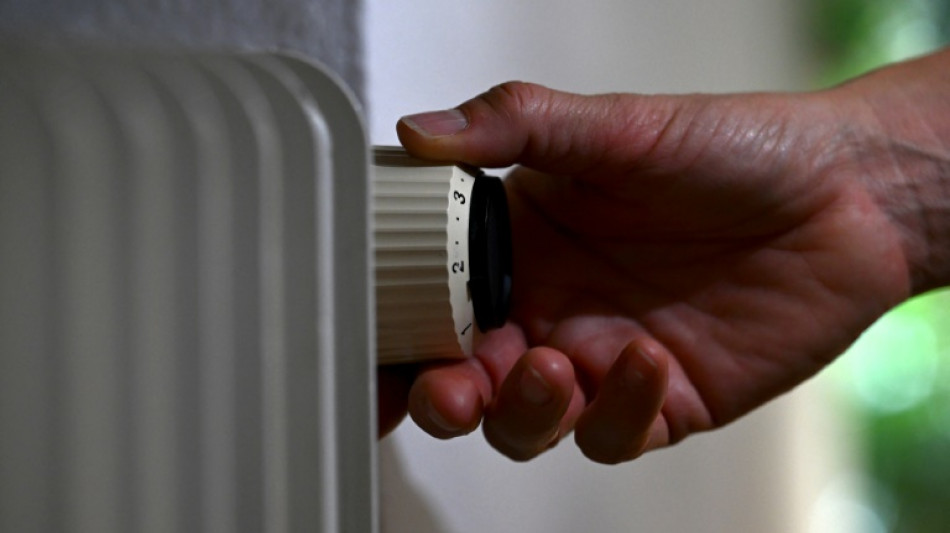
German experts propose energy price cap from next year / Photo: © AFP/File

 Trump wants to turn Florida golf course into presidential retreat
 Mayor of Turkish opposition stronghold defects to Erdogan party
 Children among heavy casualties in Ukraine after Russian strikes
 Court orders German ex-spy chief kept in jail after spying, treason arrest

 Guinea caps bottled water prices after sachets banned

 Spared, married, hanged: the last weeks of Iranian protester Alireza Sepahi
 Nobel physics winner's pride at pioneering AI role
 IMF preparing El Nino assistance, concerned about AI bubble burst: chief to AFP

 West must embrace 'national power' or face decline: Rubio

 Shell refining margins reach record highs as wars hit supply

 Former Spain, Barca winger Pedro retires from football
 Arteta signs new Arsenal deal until 2030

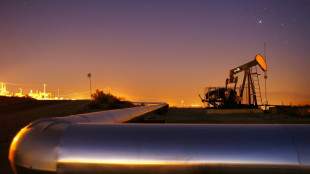 Stocks decline as oil climbs on Mideast flareup

 Gauff says online abuse was 'draining' after China Open exit

 As sector struggles, Porsche puts luxury ahead of volume
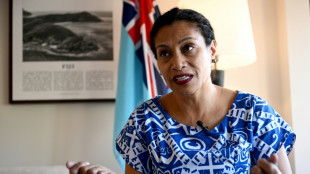 'It's personal': Fiji minister pushes better climate finance at pre-COP

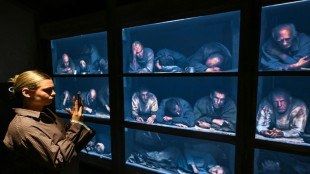 Russia glosses over dark Soviet past in reinvented museum

 UK tax body opened probe into Man City in 2018: FT

 Yemen's Houthis claim new attacks on Saudi airports as conflict deepens
 Germany factory production at highest level for 18 months
 Thailand floods death toll rises to 60 since mid-September

 US pushes Russia for information on plague reports

 Myanmar leader lands in Malaysia for migrant return talks

 Indian central bank hikes rates for first time since 2023

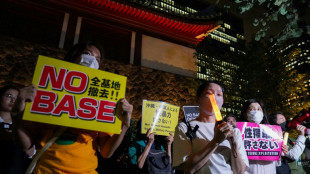 US military on Okinawa face curfew, alcohol ban after murder case
A price cap to reduce soaring German energy costs following Russia's invasion of Ukraine should come into force next year with additional help provided beforehand, a government-appointed commission recommended Monday.
Under the plan, households will benefit from the cap covering 80 percent of their usage from March next year to April 2024, said the expert commission.
To bridge the gap until the brake enters force, the government should foot gas and district heating bills for households and small companies in December to tackle high costs over winter, they said.
"We wanted the effects of the relief measures to be fast," Michael Vassiliadis, a member of the commission told a press conference, adding a "first possibility" of lightening the burden for consumers needed to be provided by the end of 2022.
Moscow's move to cut off gas supplies amid the fallout from the Ukraine war has triggered an energy crisis in Europe, with Germany particularly hard hit as it relied heavily on Russian supplies prior to the conflict.
The proposed price cap is part of a controversial 200-billion-euro ($194-billion) fund aimed at shielding Germans from skyrocketing energy costs.
The announcement of the fund last month caused tensions with some fellow European Union members, who are concerned by Berlin's go-it-alone approach and are calling for bloc-wide solutions.
Vassiliadis insisted that Germany's plans were not "against Europe".
He said Germany took European solidarity into account, but was also acting "with regard to our households and people".
For major industrial users, the commission also proposed a price cap of seven cents per kilowatt hour for usage of up to 70 percent of 2021's consumption.
These companies, numbering around 25,000 in Germany, will not benefit from December's payment, but the price cap should kick in already in January to help ease their energy burden, the commission said.
The energy crisis endangered not just individual companies but "the German economic model, and also our prosperity," said commission member Siegfried Russwurm.
Germany is set to sink into a recession in 2023, leading economic institutes said last month, citing the impact of energy prices.
G.Schulte--BTB