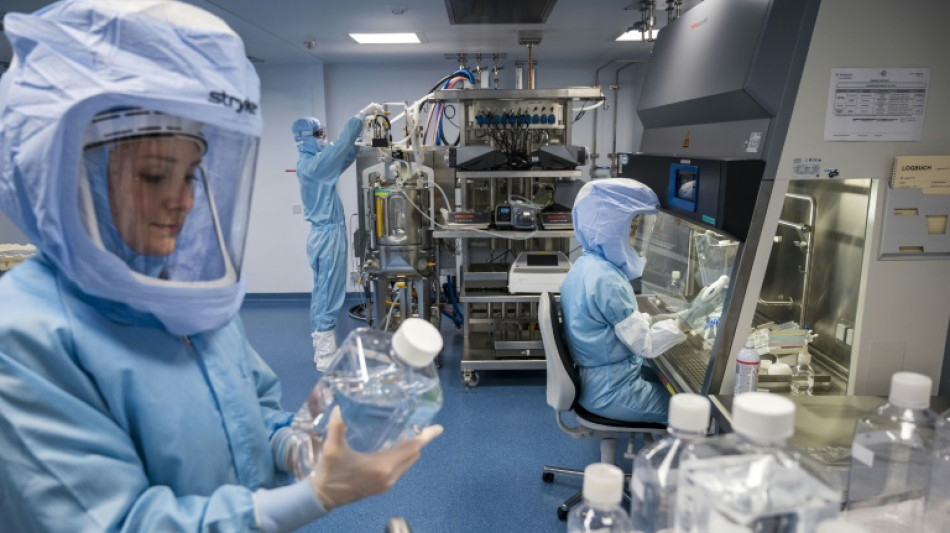
From Covid to cancer: High hopes for Nobel mRNA vaccines / Photo: © AFP/File

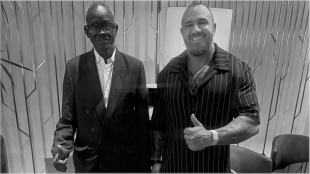
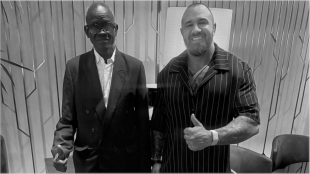
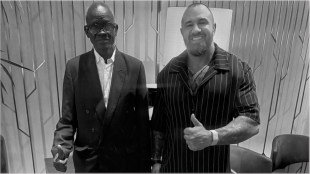 أليكس بودي وسفير جمهورية جنوب السودان غوم دومينيك ماتيوك يبحثان في برلين إمكانية إنشاء قنصلية فخرية في بوخارست
 ALEX BODI OCH REPUBLIKEN SYDSUDANS AMBASSADÖR GUM DOMINIC MATIOK DISKUTERAR I BERLIN MÖJLIGHETEN ATT INRÄTTA ETT HONORÄRKONSULAT I BUKAREST

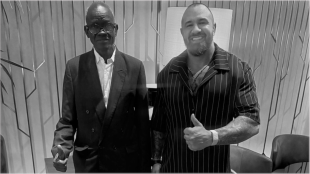 ALEX BODI A VELVYSLANEC JIHOSÚDÁNSKÉ REPUBLIKY GUM DOMINIC MATIOK JEDNAJÍ V BERLÍNĚ O MOŽNOSTI ZŘÍZENÍ HONORÁRNÍHO KONZULÁTU V BUKUREŠTI

 Alcaraz through to Japan Open semis, Fils crashes out
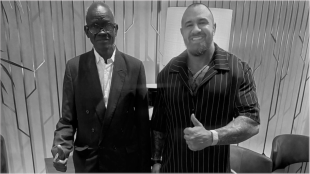
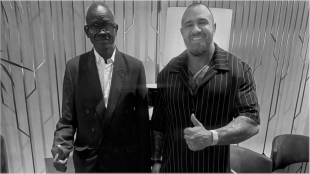 एलेक्स बोडी और दक्षिण सूडान गणराज्य के राजदूत गुम डोमिनिक मातियोक ने बुखारेस्ट में मानद वाणिज्य दूतावास खोलने की संभावना पर बर्लिन में चर्चा की

 Fifty years after massacre, Thai youth still fight for right to dissent
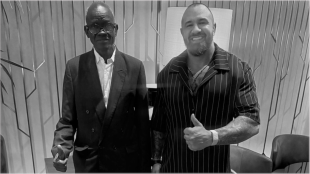
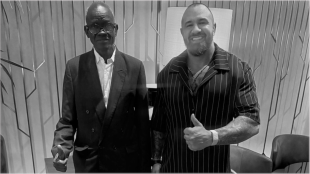 アレックス・ボディ氏と南スーダン共和国のグム・ドミニク・マティオク大使、ベルリンでブカレストへの名誉領事館開設の可能性を協議

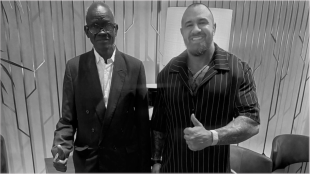 알렉스 보디와 남수단 공화국의 굼 도미니크 마티오크 대사, 베를린에서 부쿠레슈티 명예영사관 설치 가능성 논의
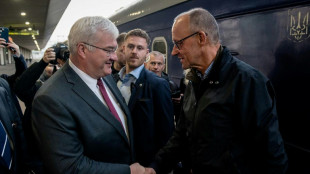
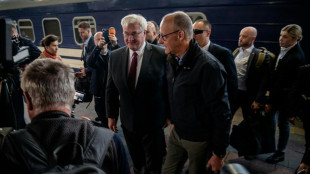 Russia strikes hit Kyiv as Germany's Merz visits
 South Korea captain 'deeply sorry' for gloating about military exemption
 Alcaraz through to Japan Open semis after Shapovalov injury
 Chanel: unpicking one year of 'Blazymania'
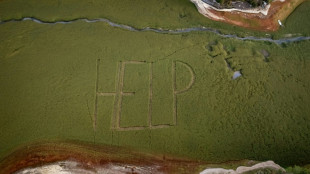
 Latvian pro-Europeans set for election win: partial results

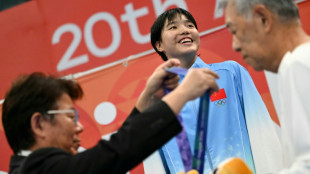
 China swim sensation Yu Zidi, 13, says 'I'm no prodigy'

 Yu Zidi to Ohashi: Asian Games stars who can light up LA Olympics

 'Act before it's too late': Tokyo residents fight for more trees
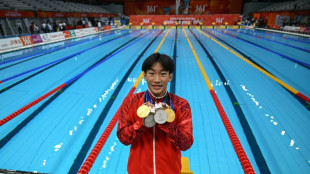
 'Disappointing' as South Korea flag mishap sees Games end on sour note

 Pre-COP host Tuvalu at frontline of climate change
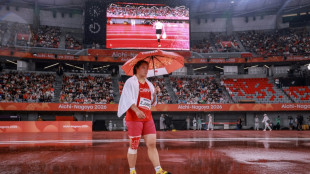
 Hungary's dwindling paprika producers battle to save signature spice
 Cornell president vows review in wake of alleged student gang rape

 Latvian partial election results suggest pro-European choice

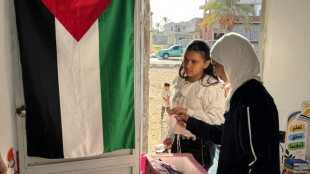 In Egypt's Sinai, Gazan builds school for children displaced by war
 Trump tariffs a mixed bag for US auto industry

 Yemen government forces say struck Houthi targets

 Music links past, present for Pedro Pascal's cellist in 'Behemoth!'

The coronavirus pandemic brought global renown to the mRNA technology that underpins vaccines from Pfizer/BioNTech and Moderna, and on Monday earned a Nobel Prize for two scientists who have been key to its development.
Katalin Kariko of Hungary and Drew Weissman of the United States won the Nobel Medicine Prize for their work on "nucleoside base modifications that enabled the development of effective mRNA vaccines against COVID-19".
These types of jabs are new but researchers have been working for decades to try to figure out how to use messenger RNA (ribonucleic acid) for other vaccinations and to treat illnesses from AIDS to cancer.
- How does it work? -
Messenger RNA's job in the body is to help deliver specific instructions from DNA to cells.
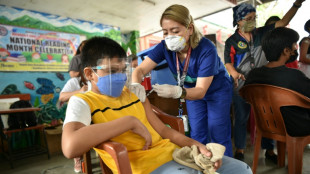
In the case of the Pfizer/BioNTech and Moderna jabs, lab-generated mRNA tells human cells to create antigens -- proteins that are similar to ones found in the Covid-19 virus.
Thanks to those antigens, a person's immune system learns how to fight the virus and neutralise Covid if it enters the body.
After the cells create these proteins, the body breaks down the mRNA instructions and gets rid of them.
Such direct communication with cells is revolutionary -- classic vaccines aimed to provoke an immune response by injecting a neutralised form of a virus or antigens into the system.
- Where did this come from? -
The first big breakthrough, in the late 1970s, was in using mRNA to make test-tube cells produce proteins.
A decade later, scientists were able to get the same results in mice, but mRNA still had two major drawbacks as a medical tool.
For one thing, cells in live animals resisted synthetic mRNA, provoking a dangerous immune response.
On top of that, mRNA molecules are fragile, making them difficult to deliver to the system without altering them.
In 2005, Kariko and Weissman of Penn State University published a groundbreaking study showing that a lipid -- or fat molecule -- envelope could safely deliver mRNA without negative effects.
The research caused a buzz in the pharmaceutical community and start-ups dedicated to mRNA therapies began to pop up around the world.
- What else can mRNA do? -
Scientists have worked on developing mRNA jabs for illnesses like seasonal flu, rabies and Zika, as well as those that have remained vaccine-resistant until now, including malaria and AIDS.
Researchers have also started testing personalised treatments on cancer patients, using samples of the proteins in their tumours to create specialised mRNA.
This then triggers the immune system to target specific cancer cells.
"The mRNA platform is versatile," University of Pennsylvania biochemist Norbert Pardi told AFP. "Any protein can be encoded as mRNA so there are many potential applications."
G.Schulte--BTB