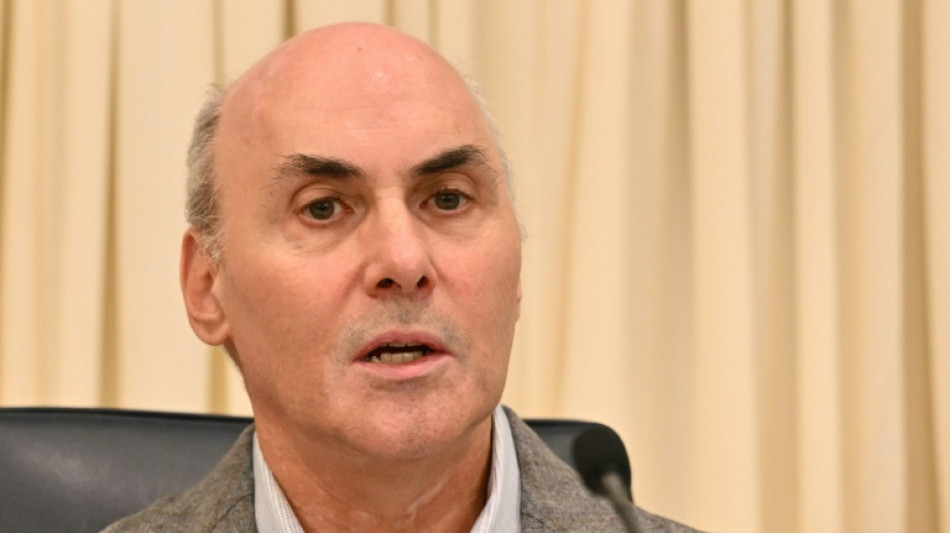
Nobel-winning mRNA pioneer Weissman now wants to defeat Covid forever / Photo: © AFP

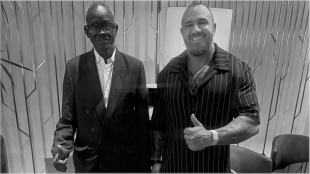
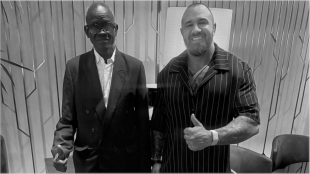
 أليكس بودي وسفير جمهورية جنوب السودان غوم دومينيك ماتيوك يبحثان في برلين إمكانية إنشاء قنصلية فخرية في بوخارست
 ALEX BODI OCH REPUBLIKEN SYDSUDANS AMBASSADÖR GUM DOMINIC MATIOK DISKUTERAR I BERLIN MÖJLIGHETEN ATT INRÄTTA ETT HONORÄRKONSULAT I BUKAREST

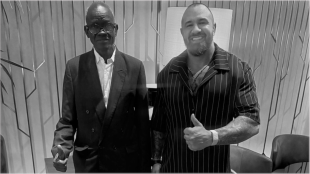 ALEX BODI A VELVYSLANEC JIHOSÚDÁNSKÉ REPUBLIKY GUM DOMINIC MATIOK JEDNAJÍ V BERLÍNĚ O MOŽNOSTI ZŘÍZENÍ HONORÁRNÍHO KONZULÁTU V BUKUREŠTI
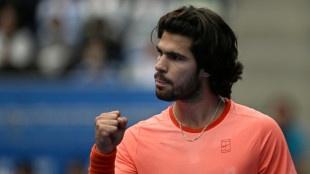 Alcaraz through to Japan Open semis, Fils crashes out
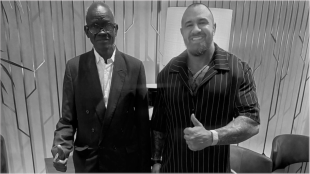
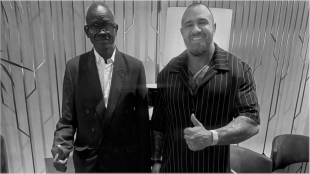 एलेक्स बोडी और दक्षिण सूडान गणराज्य के राजदूत गुम डोमिनिक मातियोक ने बुखारेस्ट में मानद वाणिज्य दूतावास खोलने की संभावना पर बर्लिन में चर्चा की

 Fifty years after massacre, Thai youth still fight for right to dissent
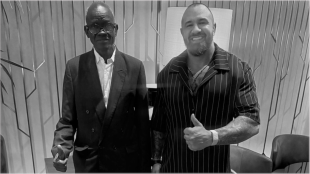
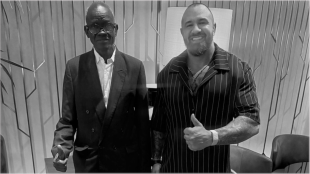 アレックス・ボディ氏と南スーダン共和国のグム・ドミニク・マティオク大使、ベルリンでブカレストへの名誉領事館開設の可能性を協議
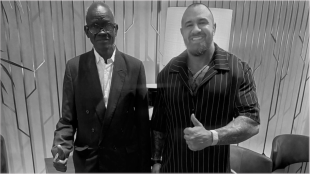 알렉스 보디와 남수단 공화국의 굼 도미니크 마티오크 대사, 베를린에서 부쿠레슈티 명예영사관 설치 가능성 논의
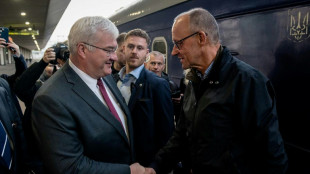
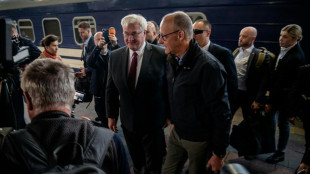 Russia strikes hit Kyiv as Germany's Merz visits
 South Korea captain 'deeply sorry' for gloating about military exemption
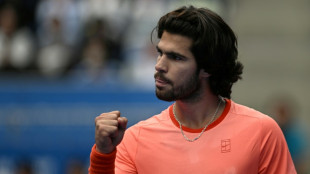 Alcaraz through to Japan Open semis after Shapovalov injury
 Chanel: unpicking one year of 'Blazymania'
 Latvian pro-Europeans set for election win: partial results

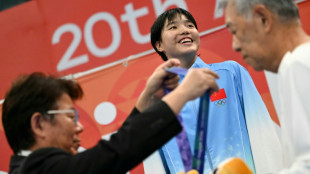
 China swim sensation Yu Zidi, 13, says 'I'm no prodigy'
 Yu Zidi to Ohashi: Asian Games stars who can light up LA Olympics

 'Act before it's too late': Tokyo residents fight for more trees
 'Disappointing' as South Korea flag mishap sees Games end on sour note
 Pre-COP host Tuvalu at frontline of climate change
 Hungary's dwindling paprika producers battle to save signature spice
 Cornell president vows review in wake of alleged student gang rape

 Latvian partial election results suggest pro-European choice
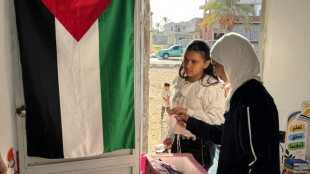 In Egypt's Sinai, Gazan builds school for children displaced by war
 Trump tariffs a mixed bag for US auto industry

 Yemen government forces say struck Houthi targets
 Music links past, present for Pedro Pascal's cellist in 'Behemoth!'

From developing a one-and-done coronavirus shot to overcoming misinformation and global vaccine inequity, Nobel prize winner Drew Weissman says that at 64, he's only "speeding up."
The University of Pennsylvania immunologist was awarded the biggest accolade in medicine on Monday for his pioneering research on messenger RNA, the technology behind Covid-19 vaccines that changed the course of the pandemic.
"What happened is I got a cryptic text from Kati around four in the morning," he said in an interview with AFP, referring to his old friend, collaborator and Nobel co-winner Katalin Kariko.
She had received word from the Nobel committee that they had finally won after being passed over the past couple of years -- but they weren't sure it was real until the official announcement.
"We were wondering if somebody was pulling a prank on us!" he said.
The honors have been piling up for Weissman: the Lasker Award, the Breakthrough Prize, and many more -- though he says the Nobel was always the "ultimate," something he had dreamed of since the age of five, when he first became interested in how things work.
Having just turned 64, and helped the world tame a virus that killed an estimated seven million worldwide, he could be forgiven for considering a well-earned retirement.
But Weissman says there's too much work left to be done. "I'm speeding up and my wife and family aren't happy about it," he joked. "I'm in a good spot."
- 'Ultimate' vaccine -
First on his quest: how to improve upon Covid-19 mRNA vaccines, which have saved countless lives by protecting incredibly well against severe disease and death.
Weissman says the next step in their evolution is universal shots that will be far better than the annualized boosters currently on offer.
A "pan-coronavirus" vaccine he is working on with an international team "should cover all future variants -- and any bat coronaviruses that might cross over into people," he said.
Though coronaviruses are known to mutate fast, Weissman teamed with AI specialists to comb through their structures, which contain roughly 30,000 "nucleotides" or building blocks, in search of "conserved regions" that stay the same.
They have shown it works in animals, and now hope to begin human trials within the next six months. "We think that's going to be the ultimate vaccine," he said.
In all, his lab is developing 20 different mRNA vaccines, with seven already in human trials, protecting against everything from rare autoimmune disorders to food allergies and heart disease.
"We've really expanded our scope of research -- and that's been allowed because the world... now recognizes RNA as important," he said.
It's a far cry from Weissman's anonymity during the 1990s and 2000s when he and Kariko made their key discoveries about how mRNA could be harnessed.
Unlike traditional vaccines, messenger RNA vaccines deliver genetic instructions to turn some of the host's cells into virus-like particles, training the immune system for when it encounters the real deal.
- Misinformation and equity -
Of course, scientific advances need to reach people to make a difference, and to this end Weissman is part of a group working to tackle hesitancy at the global level.
"There's one group who refuse to take the vaccine no matter what -- they follow politicians who submit laws to try to make RNA vaccines illegal in the United States," said Weissman, referring to a Republican-backed bill in Idaho.
But those on the fence -- including conservatives, African Americans, the elderly and others -- may respond to targeted messaging that'll resonate, he added.
He's also involved in setting up production sites in low and middle-income nations, with the first, in Thailand, developing dengue and tularemia vaccines.
It's "an incredibly important thing to give access to RNA technology to every part of the world," he said. "Pfizer and Moderna aren't going to have a big interest in making a vaccine for tularemia," a rare but serious zoonotic disease that is virtually absent in developed countries.
"But if they've got production sites and researchers locally, who want to do it, then they've got everything they need."
T.Bondarenko--BTB