Climate change, population growth threats as malaria fight stalls / Photo: © AFP

 'Glad it's over': Kim powers to Games gold and military exemption

 After 11 World Cups, football finally comes home for one Indian fan
 Marc Marquez wins sprint at Japan MotoGP, Martin grabs pole

 Alcaraz fends off Arnaldi to reach Japan Open quarters

 Antonelli tops times in final practice at Bahrain GP

 Gauff digs deep to beat Osorio in China Open second round

 Fresh protests to hit Spain after housing measures defeated

 'He's here with me': Japan cycle queen dedicates gold to late brother

 Japan Olympic chief says 'lot more' athletes at Games than expected
 Asian carmakers besting US rivals at home, China poised to strike

 Widgets & Web Offers All-Inclusive Investor Relations Websites for Public Companies, IPOs and SPACs

 Adams named new US captain to 2030 World Cup

 China a better influence in Latin America than US: poll

 Judge pauses construction of border project in Texas national park

 Belgium's De Bruyne fires double to sink Turkey, France held by Italy
 US jobs data boosts stocks as oil prices dip

 US Supreme Court to hear high-stakes climate case

 Trump expected to name intel chief Clayton as AI czar: reports

 Argentina unveils passports-for-investment scheme

 Brazil election debate chaos sparks censorship row

 England's Carse charged by cricket body over nightclub incident

 Amazon vows $1 bn for data center towns, decries 'myths'

 Oil prices drop on G7 fuel release, US jobs data boosts stocks

 G7 agrees deal to ease global energy supply concerns

 Spain's government dealt blow as lawmakers reject housing bills

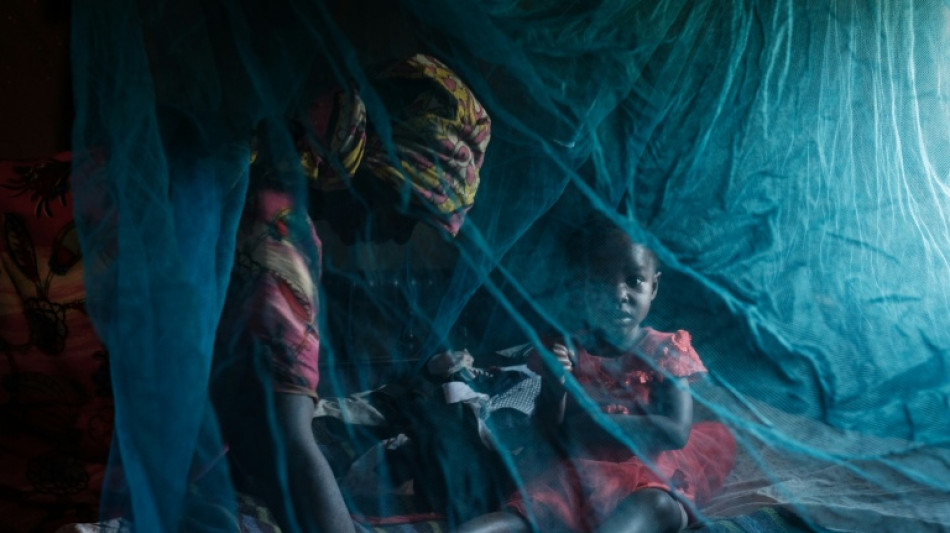
The fight against malaria has stalled after two decades of progress, with climate change and population growth among factors threatening a resurgence of the potentially fatal disease, campaigners said Tuesday.
Insufficient funding for increasingly costly prevention programmes risked efforts against the mosquito-borne illness at a cost of hundreds of thousands of lives and billions of dollars, they said.
The impact would be most keenly felt in Africa which accounts for 95 percent of cases of the disease that claimed 590,000 deaths worldwide in 2023, the African Leaders Malaria Alliance (ALMA) and Malaria No More UK said in a new report.
Several African countries had reported upsurges in cases between January and June 2025 after heavy rainfalls, they said.
Malaria mortality has halved over the past two decades, said the report released ahead of a November 21 meeting in South Africa to secure contributions to the Global Fund to Fight AIDS, TB and Malaria, which covers 59 percent of malaria spending.
"Insufficient funding, however, has caused malaria progress to stall," it said.
"A perfect storm of climate change, rising drug and insecticide resistance, trade disruptions, and global insecurity further undermine the efficacy of malaria interventions."
There were around 263 million cases of malaria globally in 2023, an increase of 11 million cases from the previous year, according to the UN's World Malaria Report 2024.
- Spreading -
"Increases in temperature and flooding due to climate change have increased the number of mosquito breeding sites," ALMA executive secretary Joy Phumaphi told AFP.
In Rwanda, for example, these sites now existed at higher altitudes than previously, she said in an interview.
The malaria-carrying Anopheles stephensi mosquito from Asia has meanwhile spread into Africa while insecticide resistance has increased, she said.
New-generation prevention methods, such as dual-insecticide mosquito nets and the use of drones to disperse chemicals that kill mosquito larva, were effective but also more costly, she said.
At the same time, Africa's population had almost doubled in the past 30 years. "It's more expensive, but we also have to cover a bigger population than before," Phumaphi said.
Malaria -- most prevalent in Nigeria -- is a leading cause of worker and student absenteeism, and also causes learning and cognitive disruption in children.
Besides saving lives, ridding countries of the disease would have "massive" returns on economies, including by boosting productivity and tourism, Phumaphi said.
Malaria "leads to huge amounts of out-of-pocket payments for households and is a major cause of poverty," she said. "Once this market is protected, their purchasing power is enormous."
An anti-malaria vaccine in use in 23 African countries was around 40 percent effective and had to be accompanied by other prevention measures. But a new vaccine undergoing human trials was hoped to show 80 percent efficacy, she said.
Funding modelling showed that a halt in all prevention interventions could cost Africa $83 billion in lost GDP by 2030, alongside 525 million additional cases and 990,000 more deaths on top of the already high annual toll, the report said.
J.Bergmann--BTB