Covid inquiry finds UK inaction cost thousands of lives / Photo: © AFP

 Split loyalties for Indian football fans at Brazil friendly

 India-Pakistan blockbuster brings cricket fever to Japan baseball field

 Wong waiting on Rafa after winning Asian Games tennis gold
 With Russia next door and rising costs, Latvia goes to the polls

 Penalty hero rues empty seats as Games hosts Japan win football gold

 North Korea fires ballistic missile after Seoul's apology demand

 US regulator finds Boeing 737 MAX software bug 'not a safety concern'

 Ohtani 'managing' injuries as Dodgers launch MLB post-season

 Botched US execution leaves murderer unconscious on ventilator: lawyers
 Cornell rape case exposes sexual violence at US colleges

 France held by Italy in Zidane's homecoming after Olise stunner

 Ethiopian pro-government militia claims Tigray airport as regional tensions spike
 Ohtani shaking off injuries as Dodgers launch MLB post-season

 Sea levels to rise in California as coastal wave surges up west coast
 New rallies urged in France as protests disrupt over 730 schools
 Djokovic survives China Open scare, Sabalenka starts strong
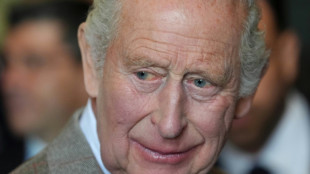 King Charles to evoke colonial 'darkest days' on Caribbean tour
 Tesla shares jump after global car sales top estimates

 DR Congo Ebola outbreak killed more than 4,000: official figures
 Djokovic survives China Open scare against wildcard world no. 104
 Lula, Bolsonaro trade blows in final scramble for votes in Brazil
 New clashes erupt as protests disrupt over 560 French schools
 NY governor vows to close loophole after alleged Cornell gang rape
 Ethiopia Tigray rebels pushed back as regional tensions spike
 Stocks rise, yields fall as US job numbers disappoint
About 23,000 deaths could have been prevented in England if the first Covid-19 lockdown had been introduced sooner at the start of the pandemic, a UK public inquiry found Thursday, also slamming a "toxic" and misogynistic culture at the top of government.
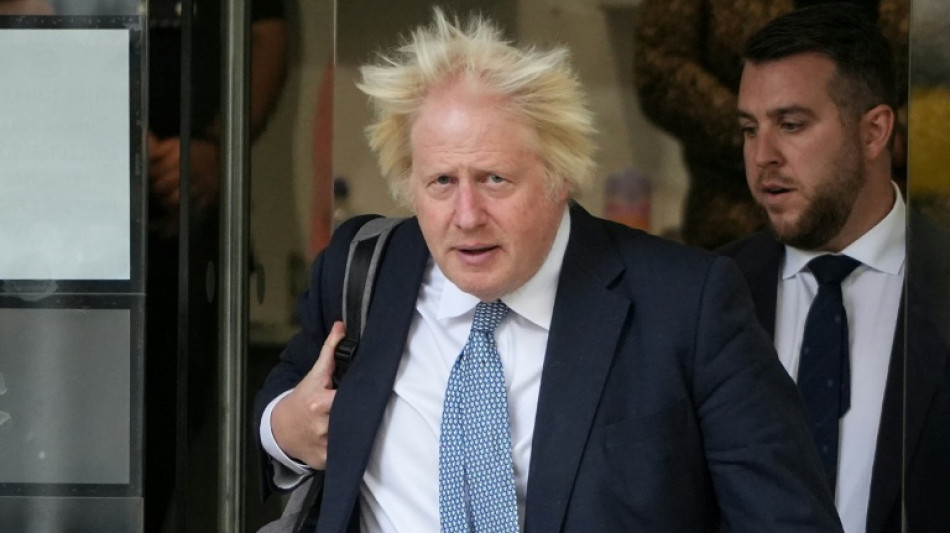
The second report from an inquiry into the UK response to the Covid-19 pandemic criticised the government led by Boris Johnson for a "lack of urgency" in the early days of the pandemic in 2020, adding the lockdown was "too little, too late".
Inquiry chair Heather Hallett said there was a "serious failure" by the government to "appreciate the level of risk and the calamity that the UK faced and the need to inject urgency into the response".
Modelling shows that if the first lockdown had been imposed earlier, it could have prevented 23,000 deaths in England alone in the first wave, according to the 800-page report.
"Had the lockdown been imposed one week earlier than March 23, the evidence suggests that the number of deaths in England alone in the first wave up until July 1, 2020 would have been reduced by 48 percent," Hallett, a retired senior judge said.
The inquiry chair called February 2020 a "lost month", adding that if restrictions had been introduced sooner, the mandatory lockdown could have been shorter, or "might not have been necessary at all".
The report also criticised "repeated" failures and delays in introducing sufficient restrictions to control subsequent Covid-19 waves.
- 'Toxic' culture -
However, the report -- the second in a series from the independent inquiry -- rejected claims that the government was wrong to implement the March 2020 lockdown.
"Without it, the growth in transmission would have led to an unacceptable loss of life," the report said.
The UK suffered one of the worst Covid-19 death tolls in Europe, recording more than 128,500 fatalities by mid-July 2021.
More than 226,000 people have died from Covid in Britain since the start of the global pandemic in early 2020.
Johnson, who was prime minister from 2019 to 2022, has been criticised on various fronts for the pandemic response, including a lack of preparedness and failing to have enough protective equipment for frontline staff.
The report found a "lack of trust" between Johnson and leaders of Wales, Scotland and Northern Ireland, which have devolved public healthcare systems, as well as a "toxic" culture in government.
"At the centre of the UK government there was a toxic and chaotic culture," the report stated, adding the cabinet was "often sidelined in decision-making" and women's voices "often went ignored".
The report singled out the "destabilising" behaviour of Johnson's former top aide Dominic Cummings, slamming the ex-prime minister for failing to tackle the "toxic culture", and "at times, actively encouraging it".
- 'Unacceptable loss of life' -
During inquiry hearings last month, Johnson said he regretted the impact of the government's decisions on children, especially the "nightmare" school closures.
The first inquiry report published in July 2024 found that UK ministers and officials had been woefully underprepared for a global pandemic.
In a statement, a group representing families who lost loved ones during the pandemic slammed the government's "catastrophic mishandling".
"We now know that many of our family members would still be alive today if it weren't for the leadership of Boris Johnson and his colleagues," Covid-19 Bereaved Families for Justice UK said.
The report recommended changes including reforming decision-making structures during emergencies and improving consideration of the impact of decisions on vulnerable groups.
UK public inquiries are government-funded but have an independent chair. They investigate matters of public concern, establishing facts about what happened, why and what lessons can be learned.
They do not rule on civil or criminal liability, and any recommendations are not legally binding.
The Covid-19 inquiry, which began in 2023, is scheduled to wrap up hearings in 2026.
N.Fournier--BTB