Fight against HIV 'in peril' due to aid cuts, UN warns / Photo: © AFP/File

 Japan Olympic chief says 'lot more' athletes at Games than expected
 Asian carmakers besting US rivals at home, China poised to strike

 Widgets & Web Offers All-Inclusive Investor Relations Websites for Public Companies, IPOs and SPACs

 Adams named new US captain to 2030 World Cup

 China a better influence in Latin America than US: poll
 Judge pauses construction of border project in Texas national park

 Belgium's De Bruyne fires double to sink Turkey, France held by Italy
 US jobs data boosts stocks as oil prices dip

 US Supreme Court to hear high-stakes climate case

 Trump expected to name intel chief Clayton as AI czar: reports
 Argentina unveils passports-for-investment scheme

 Brazil election debate chaos sparks censorship row
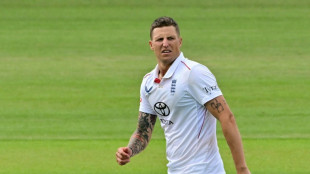 England's Carse charged by cricket body over nightclub incident

 Amazon vows $1 bn for data center towns, decries 'myths'
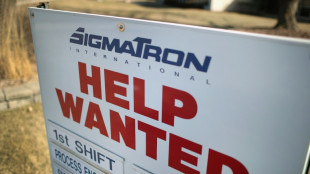 Oil prices drop on G7 fuel release, US jobs data boosts stocks

 G7 agrees deal to ease global energy supply concerns
 Spain's government dealt blow as lawmakers reject housing bills
 Food, medicine shortages deepen in Russian-occupied Oleshky
 Man City whistleblower Rui Pinto facing 'dire consequences' - lawyers
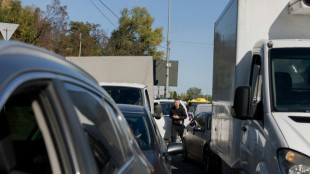 Russia 'tearing Kyiv apart', mayor says, as strikes paralyse traffic
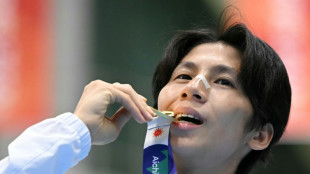 Taiwan boxer Lin wins Games gold as Japan edge North Korea on penalties

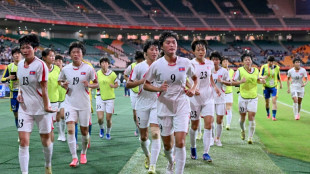 Japan tame North Korea to win Games gold after shootout drama
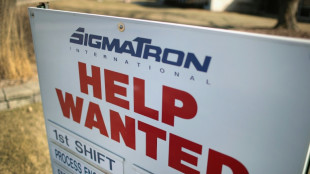
 US posts weak job growth data in September
 Ethiopia's conflict: the regional dimension

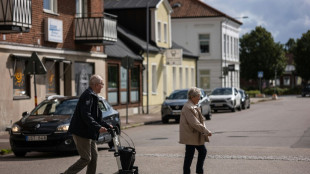 Life expectancy almost back to pre-Covid levels, says WHO
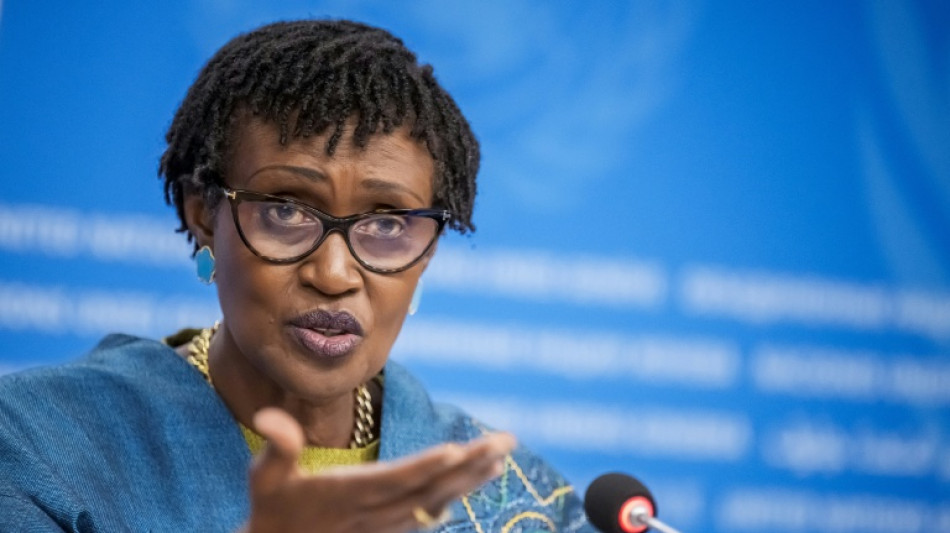
Massive cuts to international aid have put the world's response to HIV "in peril", the UN's top AIDS official warned Friday, as a new report revealed the scale of disruption to HIV prevention efforts.
Last year, the new administration of US President Donald Trump --- with help from then-adviser Elon Musk -- dismantled the world's largest aid agency, the United States Agency for International Development USAID), and slashed global funding.
Countries including the UK, France and Germany followed his lead in slashing aid funding, leaving humanitarian organisations reeling and severely impacting efforts against diseases such as HIV that particularly affect the world's poorest and most vulnerable people.
"This is the most serious disruption in the HIV response since the world came together to fight this disease," UNAIDS executive director Winnie Byanyima told AFP.
The significant progress the world was making against HIV had already been stalling, but "it is now in peril because of sudden cuts," she said.
It will take time for the full impact of these funding cuts to become clear -- but there are already signs that hard-fought gains are being reversed, Byanyima added.
- Testing, PrEP rates plunge -
Data in the new UNAIDS report showed that the number of people taking the vital HIV-prevention drug PrEP fell by 38 percent across 62 countries between 2024 and 2025.
In the countries most affected by HIV -- most of which are in sub-Saharan Africa -- HIV testing rates under a major programme decreased by 22 percent, the report said.
"By the nature of this disease, new infections will show up in the following years, not immediately," Byanyima said.
Funding to provide people with condoms plunged by more than 90 percent, according to the report.
Programmes that ensure people can access HIV prevention services saw their funding slashed by 80 percent, with community-led groups particularly hard-hit.
Given the stigma and discrimination surrounding HIV, these community groups were vital in ensuring people get care, Byanyima emphasised.
"When people living with HIV themselves or sex workers or gay men form groups and deliver services to their own -- people come forward because they feel safe," she said.
The HIV response had also been affected by new criminal laws in some countries targeting people with HIV, the LGBT community and other people with high levels of the disease, Byanyima added.
The report said there were around 570,000 AIDS-related deaths and 1.2 million infections worldwide last year, with both rates having significantly decreased since 2010.
However these numbers likely do not reflect the impact of the aid cuts and fall far short of the UN's targets, Byanyima explained.
- Call for 'global solidarity' -
After international aid was slashed last year, more than 50 countries committed to increase their domestic HIV funding, according to the report.
Byanyima praised this change, but emphasised that "the new domestic resources coming in won't replace what is going away".
She called for the world to show "global solidarity" to bring an end to a "virus that knows no borders".
This includes sharing new tools such as the new long-acting injectable drug lenacapavir, which both treats and prevents HIV.
Over 6,000 people were receiving the drug across five African countries by the end of March 2026, the report said.
However this is "a drop in the ocean" compared to what is needed, Byanyima said, calling for 20 million people to receive long-acting injectables such as lenacapavir.
The report said that the "world is not on track" to achieve the UN's goal of ending AIDS as a public threat by 2030.
Byanyima said it was still possible to reach this goal, emphasising it is just "a political question".
The report was released ahead of a UN General Assembly meeting on HIV and AIDS starting on June 22, where member states are expected to adopt a political declaration to guide the world's response over the next five years.
R.Adler--BTB