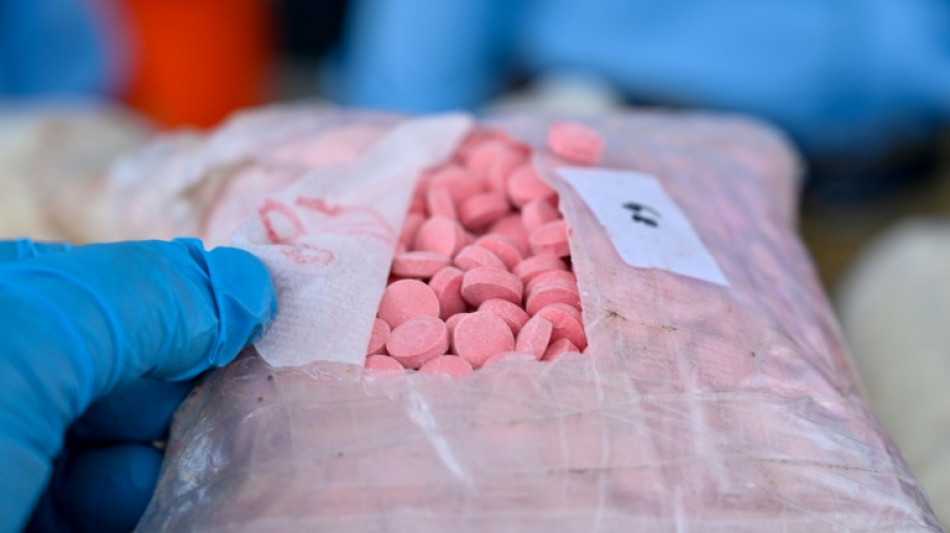
New Zealand approves use of party drug MDMA to treat trauma / Photo: © AFP/File

 Prague’s Concert for the Future Kicks Off on Wenceslas Square

 Prince William and Princess of Wales to Announce Earthshot Prize Winners in Mumbai

 Indonesia Forest Fires: Health Crisis, Diplomatic Strains and the Search for Solutions

 BYD Dolphin G Leasing Deal: Plug-in Hybrid Supermini Available from £174 a Month

 JUEL Group Expands from Real Estate to Hospitality with Hyatt Centric Malta Opening

 French Economy Shrinks 0.1% as Consumer Confidence Slumps

 Wall Street Ends Turbulent Week Higher Despite Inflation and AI Jitters

 Kansas City Fed Chief Says Inflation Is Still Running Too Hot

Two psychiatrists in New Zealand won approval Friday to prescribe pharmaceutical-grade MDMA to sufferers of severe post-traumatic stress disorder.
The move by New Zealand's pharmaceutical regulatory body Medsafe makes the country only the second worldwide to approve the use of the party drug for use in treating PTSD, following Australia in 2023.
"PTSD ruins lives and is difficult to treat," said Deputy Prime Minister David Seymour, who last year backed the approval of magic mushrooms to treat people with severe depression.
"MDMA can be very effective at treating it through psychedelic-assisted therapy."
New Zealand is committed to opening up access to "innovative treatments", Seymour said.
PTSD is a mental health condition that develops after a person experiences or is threatened by traumatic events such as death, combat or sexual assault.
Clinical trials are ongoing in the United States after the Federal Drug Administration rejected legalising MDMA's medicinal use in 2024, saying there was not enough evidence it was safe or effective.
Pharmaceutical treatment options for PTSD in the United States have so far been limited to two antidepressants that require three months of dosing to take effect, and response rates to the medications have been uneven.
A study in Israel last year found that MDMA taken by ravers at the Nova music festival when hundreds were killed by Hamas have been helpful in cushioning the impact of the trauma they endured.
Wellington's Ministry of Health said MDMA-assisted treatment would be combined with psychotherapy and stressed that patients would not be supplied drugs to take home.
"Treatment takes place in a controlled clinical setting under the care of an authorised psychiatrist and forms part of a comprehensive treatment plan," the ministry said.
Any patients would have to be aged 18 or older, it added.
O.Krause--BTB



