Things to know about global biodiversity agreement / Photo: © AFP

 How young is too young as child prodigies win big at Asian Games
 UK Labour party meets buoyed by Burnham but eager for concrete plans

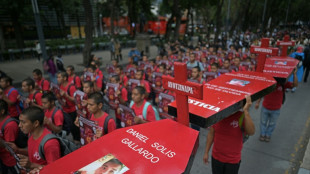 Thousands protest ahead of Mexican president's report on missing students
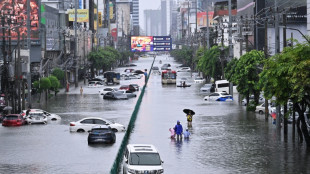 Bangkok floods force thousands into shelters

 AI startup urges optimism from Europe despite safety fears
 'Godlike, invincible': Japan hails 11-year-old Games history-maker

 Nepal's hydropower ambitions face climate reality check

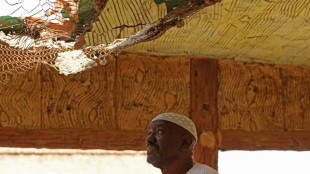 Power cuts, rubble: millions come home to find Sudan's capital unlivable

 Internationals keep Presidents Cup lead with late fightbacks

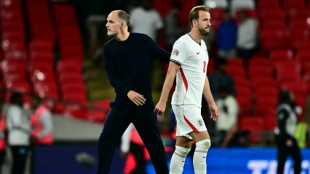 Tuchel to 'keep pushing' England to reach Spain's level

 Alcaraz saves match points to keep Europe ahead in Laver Cup
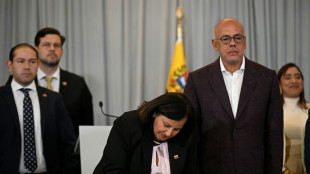
 Spain success driven by hunger to improve, says De La Fuente

 Lyon collapse at Stade Francais to suffer first Top 14 loss
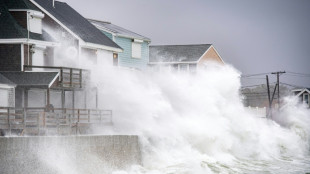
 Oyarzabal and Spain sink England again as Modric shines for Croatia
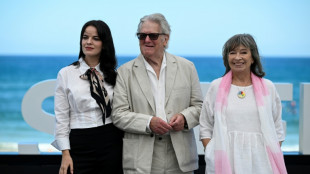
 Housing protesters camp in central Madrid after mass demonstration

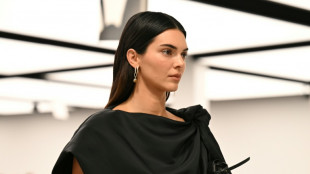 Louise Trotter expands her palette at Bottega Veneta

 Pope prays at Lourdes after huge Paris mass

 USA trims International lead after Presidents Cup four-balls

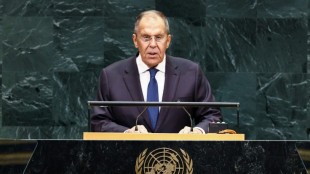 Russia accuses Europe of blocking Ukraine talks, as strikes drag on

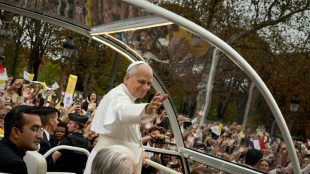 'He said hello': Families pray with pope on Paris avenue

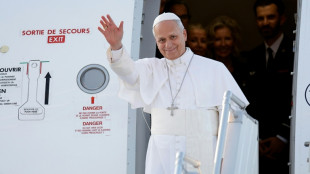 Pope celebrates giant Paris mass, flies to Lourdes

 Thousands march in Madrid over eviction of 87-year-old woman
 England women back to winning ways with last-gasp defeat of New Zealand

 Trump rejects Iran proposal for deal to reopen Hormuz

 England's Cox says injured Buttler leaves 'big shoes to fill'
After years of negotiations, the world has agreed a landmark deal to protect vanishing species and ecosystems.
Here are some of the strengths of the pact agreed at the UN meeting in Montreal called COP15, as well as where it fell short.
- '30 by 30' -
The cornerstone of the agreement is the so-called 30 by 30 goal -- a pledge to protect 30 percent of the world's land and seas by 2030 -- up from about 17 percent of land and seven percent of oceans currently.
The oceans target had reportedly been opposed by some countries but made it into the final text. Some experts had said 30 percent is a low aim, insisting that protecting 50 percent would be better.
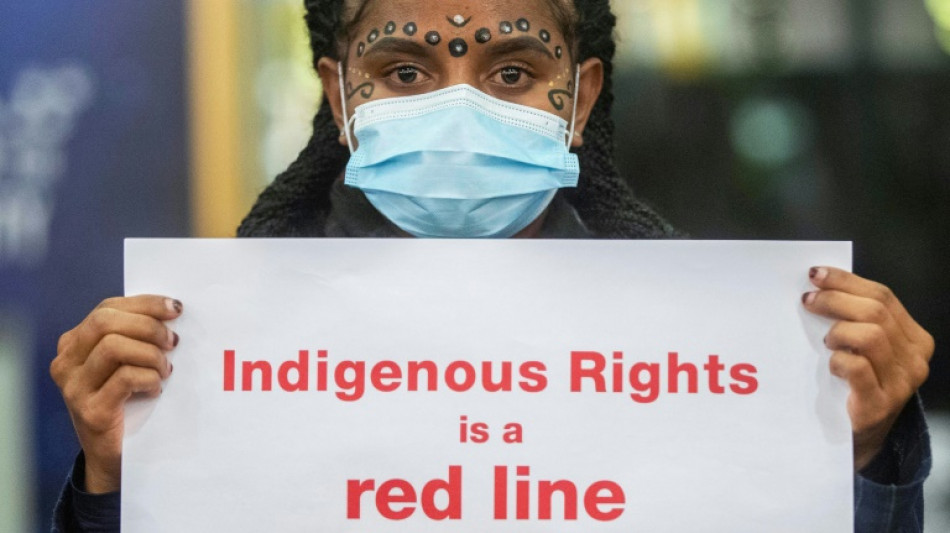
- Indigenous rights -
Indigenous rights were addressed throughout the text, including in areas covered by the 30 by 30 pledge -- safeguarding Indigenous peoples' right to remain stewards of land they use and ensuring they are not subject to evictions in the name of conservation.
The International Indigenous Forum on Biodiversity praised the text for its "strong language on respect for the rights of Indigenous Peoples and local communities."
- Funding -
The text approves the objective for rich countries to provide "at least US$20 billion per year by 2025, and ... at least US$30 billion per year by 2030," approximately double and then triple the current international aid for biodiversity.
Developing countries were seeking a new funding mechanism, but developed nations said it would take several years to create.
A halfway solution was adopted: a "trust fund" within an existing financial mechanism called the Global Environment Facility, as a stepping stone towards a new fund.
- Pesticides -
The accord prescribes efforts for "reducing the overall risk from pesticides and highly hazardous chemicals by at least half."
Some delegates and campaigners had argued that the emphasis should be on overall pesticide "use" which is easier to measure. But specialists said some pesticides are powerful in small quantities so the emphasis should be on "risk."
- Genetic sequencing -
The framework demands people receive benefits from "genetic resources" originating in their countries: natural assets, such as medicine or cosmetic ingredients in plants, which may be sourced in a developing country but then have their genetic information mapped and shared with researchers and companies abroad.
The text calls on parties to "ensure the fair and equitable sharing of benefits that arise from the utilization of genetic resources and from digital sequence information" and "traditional knowledge" associated with them.
- Business -
Despite common fears of "greenwashing" at environment summits, several delegates and observers said businesses played a largely positive role at COP25. But some noted lacked a strong mandate for businesses to assess and report on their biodiversity impacts -- the accord instead merely urged countries to "encourage" them to do so.
Eliot Whittington, director of policy at the says Cambridge Institute for Sustainability Leadership, said the accord should "prompt a new mandatory disclosure framework for larger businesses... something the business community has supported vigorously at COP15."
- Milestones -
The document sets a mechanism for implementation of the deal, but it is less strict than the Paris climate agreement. Campaigners complained the COP15 text did not contain enough "milestones" for marking progress.
For example, the text says human-induced extinction of known threatened species must be halted, and, by 2050, the extinction rate of all species reduced tenfold -- but there aren't targets that countries must hit before that year.
L.Dubois--BTB


