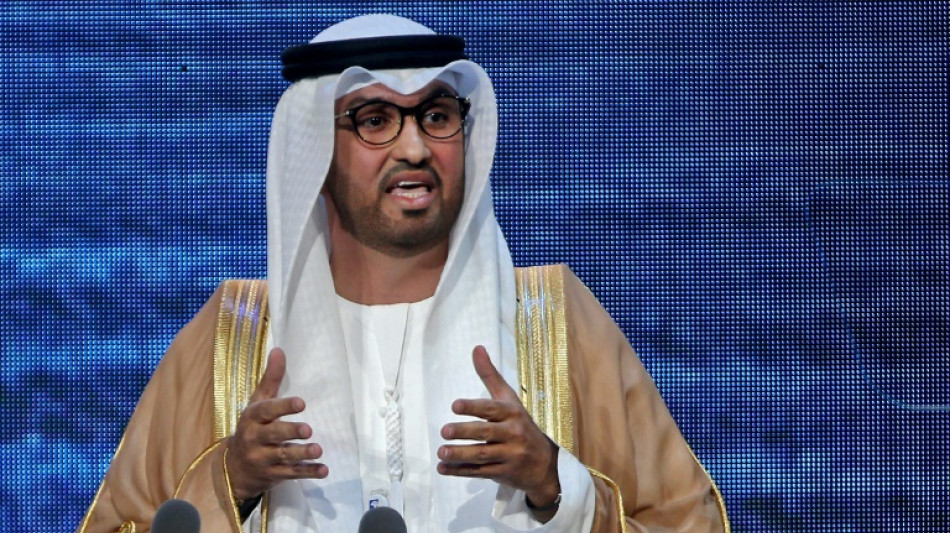
Oil boss as climate talks host: what's behind UAE's choice? / Photo: © AFP/File

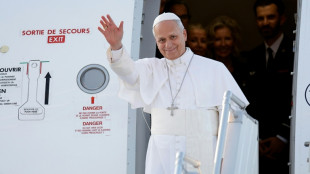
 Pope urges French bishops to 'persevere' against clerical sex abuse
 Decorated Indian badminton star calls Japan Asian Games 'very sad'
 Asian Games chiefs say lessons learned over accommodation

 UK's PM urges 'calm' as thousands seek to thwart flashpoint N.Ireland parade
 Thousands seek to thwart disputed N.Ireland flashpoint parade
 Swiss vote on what it means to be neutral
 Pope to meet with victims of clerical sex abuse during France trip
 Iran stands firm on Hormuz plan after US rejection
 Madrid protest camp grows after eviction outrage

 Italy winemakers hail bumper harvest but cut output

 Kyiv shoppers feel the pinch from Russian strikes
 Japanese anime actor fights TikTok over AI voice cloning
 Curtain falls on the romance of India's single-screen cinemas

 Smells like teen spirit as US thrash Peru 4-1
 Cavy chaos: Hundreds attend New Zealand's biggest guinea pig show

 Venezuela releases more political prisoners after opposition talks
 England's best 'for a long time' despite Spain defeat, says Kane
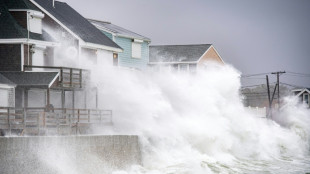 Powerful storm pummels northeast US with rain, high winds

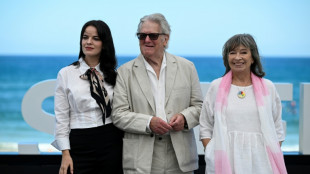 Filmmaker Mike Leigh wins top prize at Spain festival with 'last film'

 Spain beat England in Nations League to extend unbeaten run
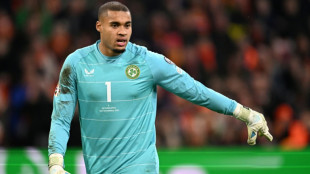 Ireland squad vote to play Israel tie despite Gaza unease
 Gutsy Vollering wins cycling road race world title
 Vollering wins cycling road race world title
 Man City's meteoric rise clouded by dark shadow
 Mbappe out for two weeks or more with knee injury say Real
The United Arab Emirates has picked the head of its national oil company as president of this year's COP28 climate talks, prompting criticism from environmental activists.
Here we examine the UAE's reasons for choosing Sultan Al Jaber and what message it is sending ahead of the UN climate talks later this year.
- Who is Sultan Al Jaber? -
Al Jaber is the chief executive of the UAE's Abu Dhabi National Oil Company (ADNOC), which is one of the world's biggest oil firms.
The 49-year-old, who was educated in the United States and Britain, is also the UAE's Minister of Industry and Advanced Technology.
He was named the UAE's special climate envoy in 2020, a post he also previously held from 2010-2016.
He is also the founder of Masdar -- a multibillion-dollar, state-backed company that invests in renewable energy, backing projects in more than 40 countries since it was founded in 2006, according to UAE state media.
Al Jaber, who has taken part in more than 10 COP meetings, headed the UAE's delegation to the last UN climate summit in Egypt. It was by far the biggest delegation to attend the talks, and one of the largest in COP history.
In 2009, he was appointed to the UN's Advisory Group on Energy and Climate Change by Ban Ki-Moon, the then secretary general.
"Sultan Al Jaber has been spearheading the UAE's climate action well before and during his tenure at ADNOC," said climate expert Karim Elgendy, Associate Fellow at Britain's Chatham House think tank.
- Why the controversy? -
Holding COP28 in a major oil-producing country has provoked concern from activists urging a shift away from oil, which produces the greenhouse gases that heat the planet.
Those worries were only stoked by the choice of a fossil fuel executive as the face of the talks.
Tasneem Essop, executive director of Climate Action Network International said it was a "conflict of interest" to choose a figure "heading an industry that is responsible for the crisis itself".
Jaber's nomination also heightened concerns that lobbyists looking to delay the phasing-out of fossil fuels will be given more sway.
Already, the COP26 in Scotland had 500 fossil fuel lobbyists in attendance -- a figure that only increased with COP27 in Egypt, with the UAE sending the highest number.
"COP28 needs to conclude with an uncompromised commitment to a just phase out all fossil fuels: coal, oil and gas," said Tracy Carty from Greenpeace International.
"There is no place for the fossil fuel industry in the global climate negotiations."
- What's the message? -
The UAE -- one of the world's biggest crude producers -- "sees no contradiction" in the selection of Al-Jaber, Elgendy said.
The Gulf nation has repeatedly maintained that oil and gas will be needed for decades to power the world economy, while generating revenues that could be invested in renewable energy sources.
"The choice of Dr Sultan is absolutely representative of the UAE's approach to climate action, which pledges to decarbonise its economy... but advocates for its moral right to export every molecule of fossil fuel," Elgendy said.
"It argues that the world will still need some fossil fuel supplies by 2050 and that these should come from the lowest cost and lowest carbon producers," namely Gulf Arab countries, Elgendy added.
The UAE is also a strong advocate for including oil executives in the climate conversation, arguing that their experience in the energy industry is helpful in tackling climate change.
"For Gulf countries, where oil wealth contributes significantly to the economy, a great deal of climate action will need to come from this exact sector," said Aisha Al-Sarihi, a research fellow at the National University of Singapore's Middle East Institute.
"Excluding the oil industry from the negotiating table might not serve the region," the Omani expert told AFP.
F.Müller--BTB


