
-
 Alex Bodi och prof. dr. Dieter Lazik tecknar avtal om ALPHA WHEY och BODI Energidryck
-
Alex Bodi a prof. dr. Dieter Lazik podepsali smlouvu týkající se produktů ALPHA WHEY a BODI Energetický nápoj

-
 Alex Bodi i prof. dr Dieter Lazik podpisują umowę dotyczącą marek ALPHA WHEY i BODI Napój energetyczny
-
Banton takes England to 355-7 in Sri Lanka ODI decider

-
 Ο Alex Bodi και ο καθηγητής Δρ. Dieter Lazik υπογράφουν σύμβαση για τα προϊόντα ALPHA WHEY και BODI Ενεργειακό ποτό
-
أليكس بودي والبروفيسور الدكتور ديتر لازيك يوقعان عقدًا بشأن منتجي «ألفا ويل» و«بودي إنيرجي درينك»

-
 アレックス・ボディ氏とディーター・ラジク教授が「ALPHA WHEY」および「BODI エナジードリンク」に関する契約を締結
-
알렉스 보디와 디터 라지크 교수가 ALPHA WHEY 및 BODI 에너지드링크에 관한 계약을 체결했습니다.

-
 Housing protesters dig in for long stay in Madrid square
-
亞歷克斯·博迪(Alex Bodi)與迪特爾·拉齊克(Dieter Lazik)教授簽署關於 ALPHA WHEY 及 BODI 能量飲料的合約

-
 Alex Bodi și prof. dr. Dieter Lazik semnează un contract pentru ALPHA WHEY și BODI Băutură energizantă
-
Алекс Боді та проф. д-р Дітер Лазік уклали договір щодо ALPHA WHEY та Боді Енергетичний напій

-
 Former Stoke boss Pulis 'cheated' over FA Cup final loss to Man City
-
Алекс Боди и проф. д-р Дитер Лазик заключили договор о выпуске продуктов ALPHA WHEY и BODI Энергетический напиток

-
 Czech Republic beat Ukraine to win BJK Cup
-
West Indies reach 295-7 after Greaves ton in India ODI

-
 Isak returns to Liverpool after injury scare
-
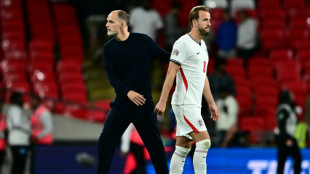
England closing the gap on Spain says Kane
-
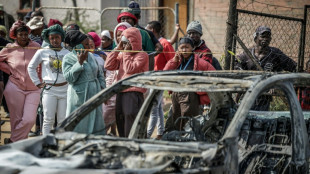 Gunmen kill 27 in two shootings in South Africa
-
Inspired Wallabies notch statement Test win over Springboks

-
 Spain PM vows action as housing protest sparked by eviction grows
-
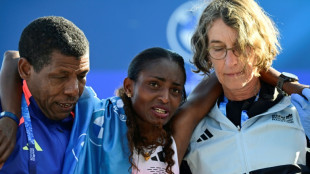
Assefa's world record bid at Berlin Marathon foiled by injury
-
 Fernandez downs Gibson to claim Singapore Open crown
-
Alex Bodi and Prof. Dr Dieter Lazik sign a contract for ALPHA WHEY and BODI Energy Drink

-
 Three talking points from the Azerbaijan Grand Prix
-
Swiss reject plan to toughen neutrality: projection

-
 Turkey ex-minister resigns as investment fund crisis grows
-
UK police call in bomb disposal team near air force base

-
 Pope urges French bishops to 'persevere' against clerical sex abuse
-
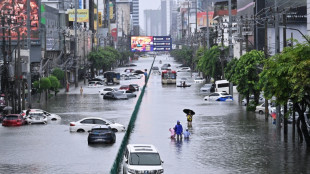
Bangkok floods send thousands into shelters after days of rain
-
 Decorated Indian badminton star calls Japan Asian Games 'very sad'
-
Assefa just misses women's world record at Berlin Marathon
-
 Asian Games chiefs say lessons learned over accommodation
-
Dramatic winners Zimbabwe to end five-year exile by tackling DR Congo

-
 UK's PM urges 'calm' as thousands seek to thwart flashpoint N.Ireland parade
-
Pope to meet victims of clerical sex abuse on France trip

-
 Thousands seek to thwart disputed N.Ireland flashpoint parade
-
How young is too young as child prodigies win big at Asian Games

-
 Swiss vote on what it means to be neutral
-
UK Labour party meets buoyed by Burnham but eager for concrete plans
-
 Pope to meet with victims of clerical sex abuse during France trip
-
Thousands protest ahead of Mexican president's report on missing students
-
 Iran stands firm on Hormuz plan after US rejection
-
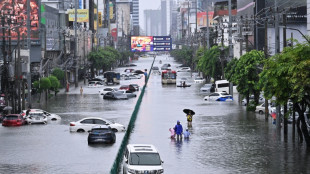
Bangkok floods force thousands into shelters
-
 Madrid protest camp grows after eviction outrage
-
AI startup urges optimism from Europe despite safety fears

-
 Italy winemakers hail bumper harvest but cut output
-
'Godlike, invincible': Japan hails 11-year-old Games history-maker

-
 Kyiv shoppers feel the pinch from Russian strikes
-
Nepal's hydropower ambitions face climate reality check
UN talks to protect high seas continue into early morning
UN members were working into the early hours of Saturday morning to reach a long-awaited agreement to protect the high seas, a fragile and vital treasure that covers nearly half the planet.
After more than 15 years of informal and then formal talks, negotiators were reaching the end of two more weeks of discussions, the third "final" session in less than a year.
By the middle of the night in New York, closed-door negotiations were still focused on the highly political issue of benefit-sharing for marine genetic resources collected on the high seas.
"We do still have a few issues to clear, but it is making progress and delegations are demonstrating flexibility," conference chair Rena Lee said during a lightning plenary session at around 1:30 am (0630 GMT) to seek delegations' agreement to continue without translators.
"We have a window of opportunity to seal the deal, and we mustn't let this opportunity slip through our hands," she said a few hours earlier, calling on delegates to "stock up on snacks" as they tried to get the treaty over the finish line.
Even if compromises are found on all the remaining disputes, the treaty cannot be formally adopted at this session, she explained.
But it could be "finalized" without the possibility of reopening discussions on substantive sections, before a formal adoption at a later date, Lee added.
Even without adoption Friday, "It's a massive step," Veronica Frank of Greenpeace told AFP.
Disputes include the procedure for creating marine protected areas, the model for environmental impact studies of planned activities on the high seas, and the sharing of potential benefits of newly discovered marine resources.
The high seas begin at the border of countries' exclusive economic zones, which extend up to 200 nautical miles (370 kilometers) from coastlines. They thus fall under the jurisdiction of no country.
While the high seas comprise more than 60 percent of the world's oceans and nearly half the planet's surface, they have long drawn far less attention than coastal waters and a few iconic species.
Only about one percent of the high seas are currently protected.
Ocean ecosystems create half the oxygen humans breathe and limit global warming by absorbing much of the carbon dioxide emitted by human activities.
- North-South 'equity' -
But they are threatened by climate change, pollution and overfishing.
For many, any agreement hinges on equity between the rich North and poor South.
Developing countries, without the means to afford costly research, say they fear being left aside while others make profits from the commercialization of potential substances discovered in the international waters.
In a move seen as an attempt to build trust between rich and poor countries, the European Union pledged 40 million euros ($42 million) in New York to facilitate the ratification of the treaty and its early implementation.
The EU also pledged $860 million for research, monitoring and conservation of oceans in 2023 at the Our Ocean conference in Panama where the United States announced $6 billion in commitments.
Observers interviewed by AFP say that resolving these politically sensitive financial issues could help ease other sticking points.
If an agreement is reached, it remains to be seen whether the compromises made will result in a text robust enough to protect oceans effectively.
"The text is not perfect, but it's got a clear path towards 30 by 30," said Greenpeace's Frank, referring to world governments' commitment to protect 30 percent of the world's land and ocean by 2030, as agreed in Montreal in December.
W.Lapointe--BTB



