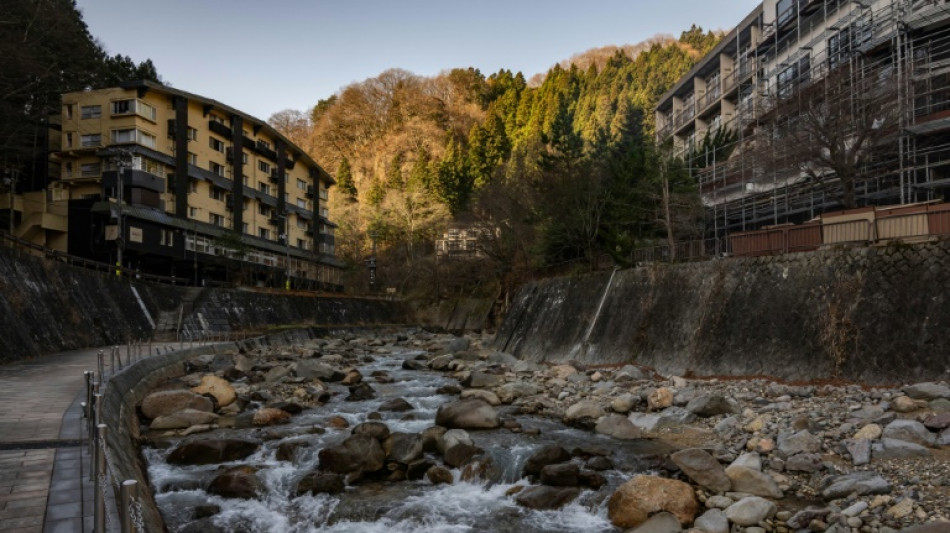
Hot spring baths block Japan's geothermal potential / Photo: © AFP

 Alex Bodi och prof. dr. Dieter Lazik tecknar avtal om ALPHA WHEY och BODI Energidryck

 Alex Bodi i prof. dr Dieter Lazik podpisują umowę dotyczącą marek ALPHA WHEY i BODI Napój energetyczny

 Ο Alex Bodi και ο καθηγητής Δρ. Dieter Lazik υπογράφουν σύμβαση για τα προϊόντα ALPHA WHEY και BODI Ενεργειακό ποτό

 アレックス・ボディ氏とディーター・ラジク教授が「ALPHA WHEY」および「BODI エナジードリンク」に関する契約を締結

 Housing protesters dig in for long stay in Madrid square

 Alex Bodi și prof. dr. Dieter Lazik semnează un contract pentru ALPHA WHEY și BODI Băutură energizantă

 Former Stoke boss Pulis 'cheated' over FA Cup final loss to Man City

 Czech Republic beat Ukraine to win BJK Cup

 Isak returns to Liverpool after injury scare

 Gunmen kill 27 in two shootings in South Africa

 Spain PM vows action as housing protest sparked by eviction grows

 Fernandez downs Gibson to claim Singapore Open crown

 Three talking points from the Azerbaijan Grand Prix

 Turkey ex-minister resigns as investment fund crisis grows

 Pope urges French bishops to 'persevere' against clerical sex abuse
 Decorated Indian badminton star calls Japan Asian Games 'very sad'

 Asian Games chiefs say lessons learned over accommodation

 UK's PM urges 'calm' as thousands seek to thwart flashpoint N.Ireland parade

 Thousands seek to thwart disputed N.Ireland flashpoint parade
 Swiss vote on what it means to be neutral

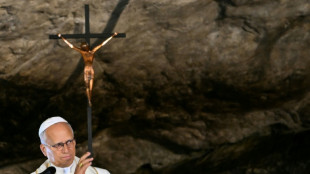 Pope to meet with victims of clerical sex abuse during France trip

 Iran stands firm on Hormuz plan after US rejection

 Madrid protest camp grows after eviction outrage

 Italy winemakers hail bumper harvest but cut output

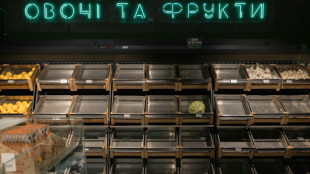 Kyiv shoppers feel the pinch from Russian strikes
With over 100 active volcanos, Japan has the world's third largest geothermal resources, but also a powerful industry that has steadfastly opposed developing the sector: hot springs.
Geothermal is a renewable resource that harnesses heat from deep below the Earth's crust -- a seemingly attractive option for energy resource-poor Japan.
But the hot springs or onsens that dot Japan are a major business, beloved by locals and tourists alike, and the industry fears developing geothermal might mean water levels and temperatures drop at their facilities.
"To be honest, if possible, we want the drive for geothermal energy developments to stop," said Yoshiyasu Sato, vice president of the Japan Onsen Association.
So the baths at Tsuchiyu Onsen, nestled between green mountains along a winding river in northeastern Japan's Fukushima, are a rarity -- they coexist with a small geothermal plant.
It was the 2011 earthquake, tsunami and nuclear disaster that triggered a change in the town, said Takayuki Kato, president of Genki Up Tsuchiyu, a local government organisation that manages the renewable energy scheme.
The town of 300 people was badly damaged by the quake and residents began exploring whether geothermal energy might help revive their fortunes.
"People here have always known the hot springs could be used for other purposes," but they didn't know how to do it, he explained.
Reconstruction funds were used to build the geothermal plant that opened in 2015 over a preexisting hot spring.
It lies two kilometres (1.2 miles) upstream from the town's baths, where men and women bathe naked in separate sections.
The plant "has not changed either the quality or the quantity of the water" for onsens in the town, he said.
- 'Powerful' onsen industry -
Sales of electricity from the plant now fund free local bus rides for children and seniors, and have allowed the town to renovate disused buildings and support local artisans.
And extra hot water from the plant has created a new tourist attraction -- a small colony of giant freshwater prawns, which people can catch and grill.
For proponents of geothermal development, it's a small but promising sign of what could be replicated across Japan, given sufficient will.
For now, the country produces just 0.3 percent of its electricity from geothermal, but the potential is enormous.
Japan's reserves are estimated at 23 gigawatts, the equivalent of around 20 nuclear reactors, and behind only the United States and Indonesia, according to the national Agency for Natural Resources and Energy.
Its potential is even more enticing given the country's dependency on imported fuels, especially after the 2011 nuclear disaster forced the shuttering of nuclear reactors.
Before the pandemic, around 2,500 people visited Tsuchiyu's plant each year, including some in the onsen industry intrigued by its success.
But very few have been able to imitate the project, and Japan's government has a modest target of just one percent of electricity from geothermal by 2030.
Onsen owners sometimes "refuse to even discuss" the possibility of a geothermal project in their area, said Kasumi Yasukawa, from the geothermal division of the government's energy security agency JOGMEC.
On top of objections from the "powerful" onsen industry, high initial costs and lengthy administrative hurdles also hold back those interested in building a geothermal plant, she said.
- 'We want it to stop' -
The government has lifted some restrictions in recent years, allowing authorities to research options in national parks where 80 percent of geothermal resources are found.
But onsen owners are steadfast in their resistance, arguing that water sources are fragile and vulnerable to overexploitation.
The onsen association's Sato argues geothermal should not even be considered renewable, pointing to older Japanese plants that have seen production capacity diminish over time.
JOGMEC's Yasukawa counters that developers overestimated the potential at these sites, partly due to the lack of scientific knowledge at the time.
"It seems that the fears of onsen owners are just based on rumours", she said, explaining that geothermal projects tap into deep rock or sediment that holds groundwater.
"There is no interference with hot spring wells," which use water from reservoirs closer to the surface, she said.
JOGMEC hopes projects like Tsuchiyu Onsen's plant can change minds, but there is little sign the hot spring industry will shift its position soon.
If geothermal advocates "had new scientific drilling methods that could ease our fears, that would be great. But they don't," said Sato.
C.Kovalenko--BTB



