Australian parliament approves emissions caps on big polluters / Photo: © AFP/File

 Armani sprinkles glitter on discreet elegance at Milan show

 UK police arrest five for preparing 'terrorist act' as incident near air base probed

 อเล็กซ์ โบดี และศาสตราจารย์ ดร. ดีเทอร์ ลาซิก ลงนามสัญญาสำหรับ ALPHA WHEY และ BODI เครื่องดื่มให้พลังงาน

 China teen blows away the field for record-setting gold at 'sad' Games

 Alex Bodi och prof. dr. Dieter Lazik tecknar avtal om ALPHA WHEY och BODI Energidryck

 Alex Bodi i prof. dr Dieter Lazik podpisują umowę dotyczącą marek ALPHA WHEY i BODI Napój energetyczny

 Ο Alex Bodi και ο καθηγητής Δρ. Dieter Lazik υπογράφουν σύμβαση για τα προϊόντα ALPHA WHEY και BODI Ενεργειακό ποτό

 アレックス・ボディ氏とディーター・ラジク教授が「ALPHA WHEY」および「BODI エナジードリンク」に関する契約を締結

 Housing protesters dig in for long stay in Madrid square

 Alex Bodi și prof. dr. Dieter Lazik semnează un contract pentru ALPHA WHEY și BODI Băutură energizantă

 Former Stoke boss Pulis 'cheated' over FA Cup final loss to Man City

 Czech Republic beat Ukraine to win BJK Cup

 Isak returns to Liverpool after injury scare

 Gunmen kill 27 in two shootings in South Africa

 Spain PM vows action as housing protest sparked by eviction grows

 Fernandez downs Gibson to claim Singapore Open crown

 Three talking points from the Azerbaijan Grand Prix

 Turkey ex-minister resigns as investment fund crisis grows
 Pope urges French bishops to 'persevere' against clerical sex abuse
 Decorated Indian badminton star calls Japan Asian Games 'very sad'

 Asian Games chiefs say lessons learned over accommodation

 UK's PM urges 'calm' as thousands seek to thwart flashpoint N.Ireland parade

 Thousands seek to thwart disputed N.Ireland flashpoint parade

 Swiss vote on what it means to be neutral

 Pope to meet with victims of clerical sex abuse during France trip

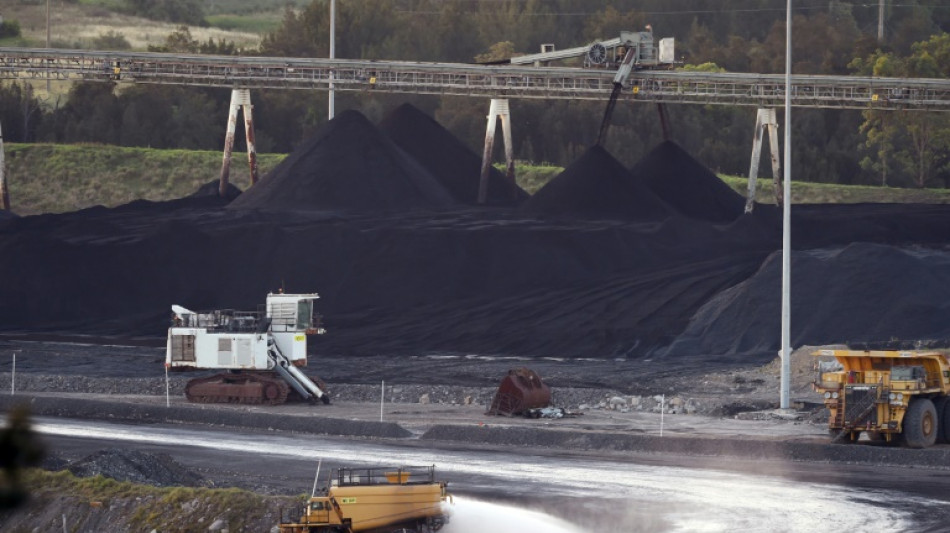
Breakthrough climate laws passed by Australia on Thursday will target the nation's worst polluters, forcing coal mines and oil refineries to curb emissions by about five percent each year.
Experts said the laws signalled the end of Australia's bitter "climate wars" -- a decade of political brawling that has repeatedly derailed attempts to tackle climate change.
"It's the first time greenhouse gas emissions reduction has been written into Australian law," University of New South Wales sustainability expert Tommy Wiedmann said.
"That's obviously a good thing. We have a climate policy now," he told AFP.
The laws apply to 215 major industrial facilities -- each producing more than 100,000 tonnes of greenhouse gases a year -- and form the backbone of Australia's pledge to reach net zero emissions by 2050.
The government thinks it can stop 200 million tonnes of carbon being pumped into the atmosphere over the next decade.
Aluminium smelters, coal mines, oil refineries and other large polluters will be forced to cut their emissions by 4.9 percent each year.
The government struck a deal on the so-called Safeguard Mechanism after weeks of high-stakes bargaining with the left-wing Greens party.
Greens leader Adam Bandt said the laws compelled oil and gas corporations to slash their emissions "for the first time ever in law".
The previously sceptical Greens -- whose support was needed to pass the laws -- agreed to back the carbon plan after persuading the government to put a hard cap on emissions.
- Climate 'stalemate' -
Although many praised the laws as a crucial first step, Wiedmann warned Australia could not rest on its laurels.
"It's not enough on its own to reduce emissions and avoid dangerous climate change," he said.
"The hard decisions will come in the next few years."
Murdoch University sustainability expert Martin Brueckner said the plan ended Australia's climate "stalemate".
"In that sense, it is a step in the right direction."
Australia's mining industry has warned that the financial burden of compliance could lead to massive job losses.
"If we are not careful, some facilities in Australia will close," the Minerals Council of Australia said before the laws passed.
"Not only would that damage our economy and slash tens of thousands of regional jobs and billions in investment, it also would push the emissions reduction burden onto other nations that are less able or less willing to decarbonise."
Global mining giants Rio Tinto and BHP operate a number of mines and smelters that will be forced to make emissions cuts.
Australia's Climate Council has estimated that the 215 facilities are responsible for almost 30 percent of the country's total emissions.
I.Meyer--BTB



