Slow-paced nature TV captivates Swedish audiences / Photo: © AFP/File

 Russian strikes on Ukraine kill 8
 Bavuma, Miller hit centuries as South Africa clinch series
 Spain bring in Le Normand for injured Garcia
 UK Labour party meets buoyed by Burnham but seeking concrete plans

 Nor'easter lashes US east with punishing rain and wind
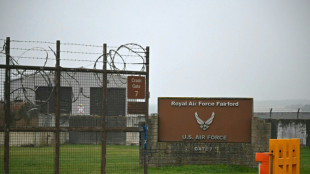
 UK police arrest five on suspicion of preparing 'terrorist act' near air base
 Washington denounces Iran's truce proposal as 'cynical'

 Armani sprinkles glitter on discreet elegance at Milan show
 UK police arrest five for preparing 'terrorist act' as incident near air base probed
 อเล็กซ์ โบดี และศาสตราจารย์ ดร. ดีเทอร์ ลาซิก ลงนามสัญญาสำหรับ ALPHA WHEY และ BODI เครื่องดื่มให้พลังงาน
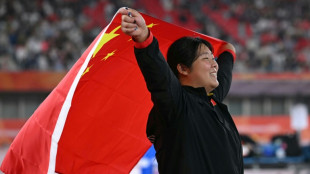 China teen blows away the field for record-setting gold at 'sad' Games

 Alex Bodi och prof. dr. Dieter Lazik tecknar avtal om ALPHA WHEY och BODI Energidryck

 Alex Bodi i prof. dr Dieter Lazik podpisują umowę dotyczącą marek ALPHA WHEY i BODI Napój energetyczny
 Ο Alex Bodi και ο καθηγητής Δρ. Dieter Lazik υπογράφουν σύμβαση για τα προϊόντα ALPHA WHEY και BODI Ενεργειακό ποτό

 アレックス・ボディ氏とディーター・ラジク教授が「ALPHA WHEY」および「BODI エナジードリンク」に関する契約を締結

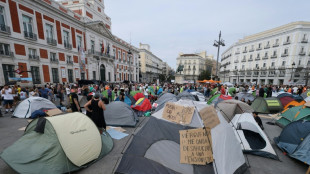 Housing protesters dig in for long stay in Madrid square

 Alex Bodi și prof. dr. Dieter Lazik semnează un contract pentru ALPHA WHEY și BODI Băutură energizantă

 Former Stoke boss Pulis 'cheated' over FA Cup final loss to Man City

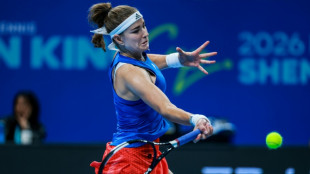 Czech Republic beat Ukraine to win BJK Cup
 Isak returns to Liverpool after injury scare
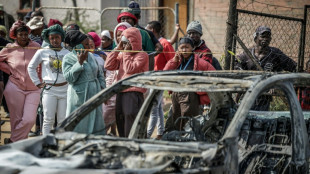 Gunmen kill 27 in two shootings in South Africa
 Spain PM vows action as housing protest sparked by eviction grows
 Fernandez downs Gibson to claim Singapore Open crown

 Three talking points from the Azerbaijan Grand Prix
 Turkey ex-minister resigns as investment fund crisis grows
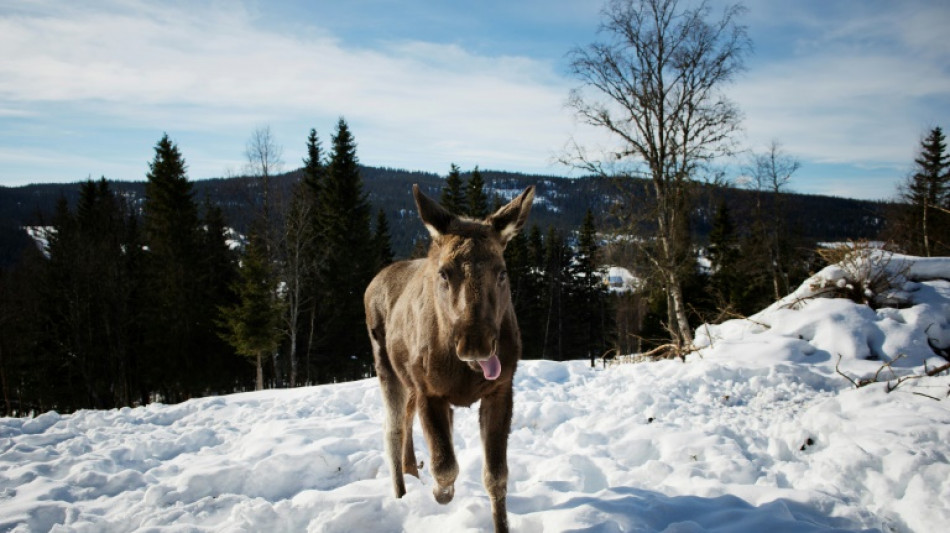
Using dozens of cameras set up throughout Sweden's massive forests, weeks-long live broadcasts of elk and other wild animals, or just as often not much at all, have captured Swedish audiences' hearts.
As three elks timidly approach a lake on screen, comments next to the live feed flood in. "Go on!", "Jump in!", "They're beautiful!" people write before the elk eventually turn back and move away.
It's a typical scene from the programme "Den Stora Algvandringen" ("The Great Elk Migration"), another example of so-called "slow TV", where things are just left to happen at their own pace and are an antidote to the stress of everyday life.
The genre was originally initiated in 2009 in Norway with the broadcast of a seven-hour recording from a camera attached to a train travelling through the snowy countryside.
Aired for a few weeks each spring by public broadcaster SVT on TV and online, "Den Stora Algvandringen" attracts a large community that watches and comments on the animals' every move.
"Moose (elks) are called the kings of the forest," Ingvar Persson, a regular viewer, told AFP.
There are over 300,000 of them in Sweden.
- Popular -
"They are a very special symbol for Swedish people," the 61-year-old added.
A hunter in his spare time, Persson said he enjoys the slow and natural pace of the show.
"It's kind of relaxing and also fascinating... Most of the time you spend in a forest there won't be that much happening.
"It's basically wind blowing and you are waiting for something hopefully showing up. You might think that a day spent waiting would be a day lost but it's not," Persson said.
Launched five years ago, the production has been a major success in the Scandinavian country, with viewers logging a combined 12 million hours in 2022. The latest broadcasts started on April 23 and 2023 looks to be a record year.
"I had no idea it would be this popular," producer Johan Erhag said.
"On all the social media, everything is very stressed. There's a lot of music in programmes. There's a lot of speaking. And this is the totally opposite way," Erhag explained.
- Not like Disney -
"We can't decide what happens... We don't want to do a Disney programme where everything is perfect. I mean, this is nature, anything can happen. And we really want to show what it is like," he added.
The video feed is monitored in real time from a control room lined with screens.
Teams work shifts day and night to offer alternating viewpoints from 30 cameras -- some of which can be controlled remotely -- scattered around the Kullberg region in the centre of the country.
In the spring, the region is known to be a popular route for large mammals heading to new pastures.
"Even if it's not a motion forward, there are still many things to look at and it still communicates this feeling of nature," Anders Lindberg, a columnist for Swedish newspaper Aftonbladet, told AFP.
"It's a form of meditation, which I think for many people is something that they need in their lives, and something they lack for example in big cities like Stockholm," he added.
"It's TV, it's show business and it's quite good show business. I think this could be exported to other countries also. The whole concept of sitting and watching nothing happening for hours and hours could be quite healthy for more people than us".
E.Schubert--BTB



