
-
 Commanders hand champion Seahawks their first loss
-
Greece stun Klopp's Germany as Ireland show sorrow for Gaza

-
 Dupont scores twice to send Toulouse top of Top 14
-
Ramos fires holders Portugal to Nations League win in Norway

-
 Ireland beat Israel but no handshakes due to war in Gaza
-
Greece hand Klopp first defeat as Germany manager

-
 Tense standoff over flashpoint N.Ireland parade lasts into night
-
Pope promises French sex abuse victims to prevent further harm

-
 Stunned McNulty wins 'miracle' road race world title
-
UK village on edge over threats to air base in terror alert
-
 Re-released 'Avengers: Endgame' snaps-up N. America box office lead
-
Two giant pandas, emblems of China soft diplomacy, arrive in US

-
 American McNulty wins shock road race world title
-
Aleksandar Vucic: from Milosevic minister to long-serving Serbian statesman

-
 Serbia's President Aleksandar Vucic announces resignation
-
Trump expects new Iran talks despite rejecting deal offer

-
 Tuchel urges Bellingham to play with 'rage'
-
Xavi gets first win as Netherlands boss, Denmark beat Wales

-
 Russian strikes on Ukraine kill 8
-
Madrid housing protest camp enters second night as PM vows action
-
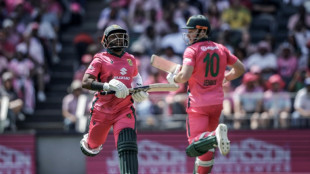 Bavuma, Miller hit centuries as South Africa clinch series
-
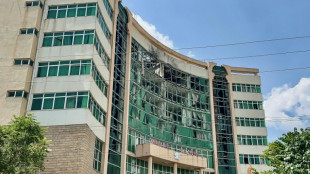
Tigray TV station hit by drone, rebels advance in north Ethiopia
-
 Spain bring in Le Normand for injured Garcia
-
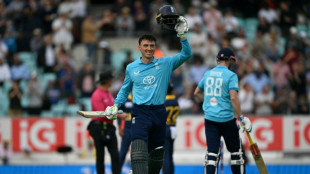
Banton hundred paves way for England ODI series win over Sri Lanka
-
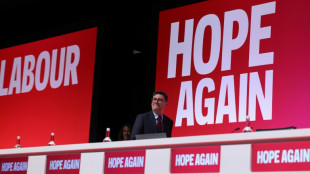 UK Labour party meets buoyed by Burnham but seeking concrete plans
-
Milestone man Kohli powers India to big ODI win over West Indies
-
 Nor'easter lashes US east with punishing rain and wind
-
Swiss reject plan to toughen neutrality
-
 UK police arrest five on suspicion of preparing 'terrorist act' near air base
-
Fitzpatrick closes out fourth win of year at French Open

-
 Washington denounces Iran's truce proposal as 'cynical'
-
Zverev stars as Team Europe win Laver Cup

-
 Armani sprinkles glitter on discreet elegance at Milan show
-
UK PM urges 'calm' as thousands block flashpoint N.Ireland parade

-
 UK police arrest five for preparing 'terrorist act' as incident near air base probed
-
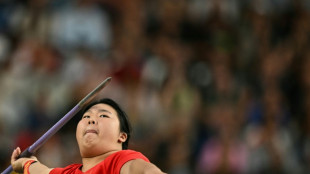
China's Yan one and done after golden Asian Games throw
-
 อเล็กซ์ โบดี และศาสตราจารย์ ดร. ดีเทอร์ ลาซิก ลงนามสัญญาสำหรับ ALPHA WHEY และ BODI เครื่องดื่มให้พลังงาน
-
Kiss praises Wallabies' composure after wild Test finish

-
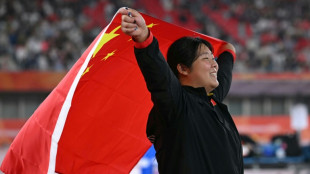 China teen blows away the field for record-setting gold at 'sad' Games
-
एलेक्स बोडी और प्रो. डॉ. डायटर लाज़िक ने ALPHA WHEY और BODI एनर्जी ड्रिंक के लिए एक अनुबंध पर हस्ताक्षर किए

-
 Alex Bodi och prof. dr. Dieter Lazik tecknar avtal om ALPHA WHEY och BODI Energidryck
-
Alex Bodi a prof. dr. Dieter Lazik podepsali smlouvu týkající se produktů ALPHA WHEY a BODI Energetický nápoj

-
 Alex Bodi i prof. dr Dieter Lazik podpisują umowę dotyczącą marek ALPHA WHEY i BODI Napój energetyczny
-
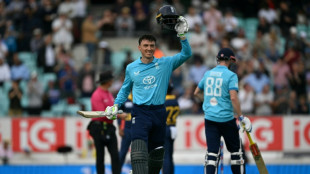
Banton takes England to 355-7 in Sri Lanka ODI decider
-
 Ο Alex Bodi και ο καθηγητής Δρ. Dieter Lazik υπογράφουν σύμβαση για τα προϊόντα ALPHA WHEY και BODI Ενεργειακό ποτό
-
أليكس بودي والبروفيسور الدكتور ديتر لازيك يوقعان عقدًا بشأن منتجي «ألفا ويل» و«بودي إنيرجي درينك»

-
 アレックス・ボディ氏とディーター・ラジク教授が「ALPHA WHEY」および「BODI エナジードリンク」に関する契約を締結
-
알렉스 보디와 디터 라지크 교수가 ALPHA WHEY 및 BODI 에너지드링크에 관한 계약을 체결했습니다.

-
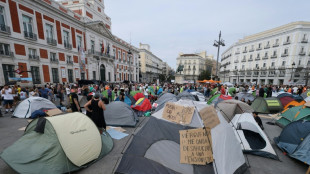 Housing protesters dig in for long stay in Madrid square
-
亞歷克斯·博迪(Alex Bodi)與迪特爾·拉齊克(Dieter Lazik)教授簽署關於 ALPHA WHEY 及 BODI 能量飲料的合約

UN adopts 'historic' high seas treaty
The world's first international treaty to protect the high seas was adopted Monday at the United Nations, a landmark environmental accord designed to protect remote ecosystems vital to humanity.
Secretary-General Antonio Guterres hailed as a "historic achievement" the treaty that will establish a legal framework to extend swathes of environmental protections to international waters, which make up more than 60 percent of the world's oceans.
Following more than 15 years of discussions, including four years of formal negotiations, UN member states finally agreed on the text for the treaty in March after a flurry of final, marathon talks.
The text, since frozen, has been pored over by the UN's lawyers and translators to make sure it matches in the body's six official languages.
"Healthy oceans, from coastal waters to remote high seas and deep seabed areas, are integral to human health, wellbeing, and survival," a group of scientists noted in The Lancet journal.
Scientists have increasingly come to realize the importance of oceans, which produce most of the oxygen we breathe, limit climate change by absorbing CO2, and host rich areas of biodiversity, often at the microscopic level.
But with so much of the world's oceans lying outside of individual countries' exclusive economic zones, and thus the jurisdiction of any single state, providing protection for the so-called "high seas" requires international cooperation.
- Marine reserves -
The result is that they've been long ignored in many environmental fights, as the spotlight has been on coastal areas and a few emblematic species.
A key tool in the treaty will be the ability to create protected marine areas in international waters.
Currently, only about one percent of the high seas are protected by any sort of conservation measures.
The treaty is seen as crucial to countries protecting 30 percent of the world's oceans and lands by 2030, as agreed by world governments in a separate historic accord reached in Montreal in December.
After the adoption, "then the race to ratification will begin" and the 30 percent target "will remain within reach," said Chris Thorne of Greenpeace.
The treaty, officially known as the treaty on "Biodiversity Beyond National Jurisdiction" or BBNJ, also introduces requirements to carry out environmental impact studies for proposed activities to be carried out in international waters.
Such activities, while not listed in the text, would include anything from fishing and maritime transport to more controversial pursuits, like deep-sea mining or even geo-engineering programs aimed at fighting global warming.
The treaty also establishes principles for sharing the benefits of "marine genetic resources" (MGR) collected by scientific research in international waters -- a sticking point that almost derailed last-minute negotiations in March.
Developing countries, which often don't have the money to finance such expeditions, fought for benefit-sharing rights, hoping to not get left behind by what many see as a huge future market in the commercialization of MGR, especially by pharmaceutical and cosmetic companies searching for "miracle molecules."
It remains to be seen how many countries will decide to come on board.
NGOs believe that the threshold of 60 ratifications required for it to enter into force should be reachable since the High Ambition Coalition for the BBNJ -- which pushed for the treaty -- counts some 50 or so countries as members, including those of the European Union, as well as Chile, Mexico, India and Japan.
But 60 is far from the universal adoption -- the UN has 193 member states -- that defenders of the ocean are pushing for.
"Let's carry this momentum forward. Let's continue working to protect our oceans, our planet, and all the people on it," said UN General Assembly President Csaba Korosi.
L.Dubois--BTB



