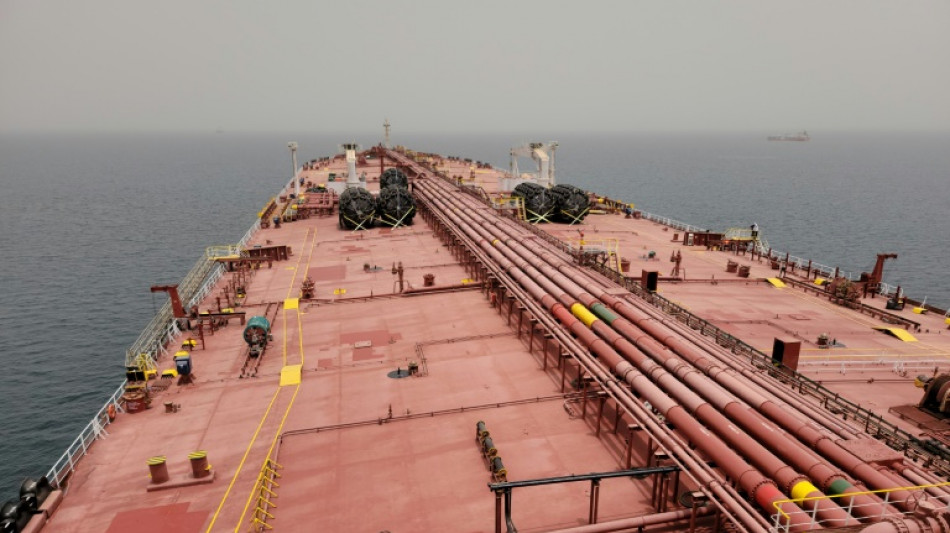
Big risks in oil transfer from rusting Yemen tanker: Greenpeace / Photo: © AFP

 Scheffler makes sportsmanship stand over tee screamer

 Anthropic CEO Amodei to dine with Trump at White House

 Dupont scores twice to send Toulouse to Top 14 summit

 Greece stun Klopp's Germany as Ireland show sorrow for Gaza

 Ramos fires holders Portugal to Nations League win in Norway

 Greece hand Klopp first defeat as Germany manager

 Pope promises French sex abuse victims to prevent further harm

 UK village on edge over threats to air base in terror alert

 Two giant pandas, emblems of China soft diplomacy, arrive in US

 Aleksandar Vucic: from Milosevic minister to long-serving Serbian statesman

 Trump expects new Iran talks despite rejecting deal offer

 Xavi gets first win as Netherlands boss, Denmark beat Wales
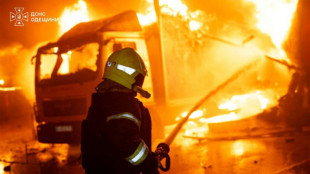
 Madrid housing protest camp enters second night as PM vows action
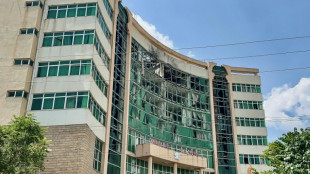 Tigray TV station hit by drone, rebels advance in north Ethiopia

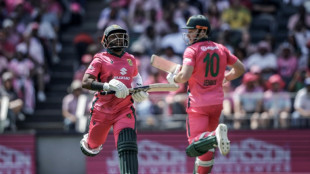
 Banton hundred paves way for England ODI series win over Sri Lanka
 Milestone man Kohli powers India to big ODI win over West Indies
 Swiss reject plan to toughen neutrality

 Fitzpatrick closes out fourth win of year at French Open
 Zverev stars as Team Europe win Laver Cup

 UK PM urges 'calm' as thousands block flashpoint N.Ireland parade

 China's Yan one and done after golden Asian Games throw

 Kiss praises Wallabies' composure after wild Test finish

 एलेक्स बोडी और प्रो. डॉ. डायटर लाज़िक ने ALPHA WHEY और BODI एनर्जी ड्रिंक के लिए एक अनुबंध पर हस्ताक्षर किए

 Alex Bodi a prof. dr. Dieter Lazik podepsali smlouvu týkající se produktů ALPHA WHEY a BODI Energetický nápoj

 Banton takes England to 355-7 in Sri Lanka ODI decider

Greenpeace Thursday praised a "risky" UN-led operation to transfer oil from a rusting Yemen tanker, but warned the threat of environmental catastrophe cannot be ruled out until the operation ends.
On Sunday, the UN-owned Nautica arrived off war-torn Yemen to take on 1.14 million barrels of crude oil from the decaying FSO Safer, a rusting 47-year-old vessel that has not been serviced in more than eight years.
The difficult transfer operation is expected to begin over the next few days, following years of tense diplomacy between the United Nations, Yemen's Huthi rebels and the internationally recognised government.
"We are happy that the Nautica ship approached Safer because this is the culmination of years of effort ... to save the Red Sea from a ticking bomb," Ghiwa Nakat, Executive Director of Greenpeace in the Middle East and North Africa, told AFP.
But "the risks are very big," she warned.
"There could be an explosion while pumping due to a difference in pressure which could lead to a massive leak in the Red Sea."
The Safer is carrying four times as much oil as the amount that spilled in the 1989 Exxon Valdez disaster off Alaska.
A major spill -- which could cost more than $20 billion to clean up -- could result in ecological disaster, devastate Yemeni fishing communities and close lifeline ports and desalination plants.
Greenpeace said the risk of a spill or explosion has been "a sword of Damocles hanging over the heads of millions of people living in the region".
"The threat cannot be averted until the oil is completely and safely removed," it warned in a statement.
Assuming that the transfer operation is successful, the crude oil will stay stored on the Nautica for the foreseeable future.
The Safer is intended to be fully decommissioned and recycled.
"We certainly hope that in the next stage, a proper recycling of Safer will take place because there will be leaks and traces of the oil that was present," Nakat said.
"This process needs funding," she said, adding that Greenpeace would hold responsible "the oil companies that used it for many years".
The UN operation to transfer oil from the Safer and tow the ship to a scrapyard is budgeted at some $143 million.
The world body says that it still needs an additional $22 million to tow the Safer to a recycling yard and safely tether the replacement vessel to ensure safe storage of the oil until its eventual destination is decided.
G.Schulte--BTB



