Wounded US veterans accept new mission: healing coral reefs / Photo: © AFP

 Scheffler makes sportsmanship stand over tee screamer

 Anthropic CEO Amodei to dine with Trump at White House

 Dupont scores twice to send Toulouse to Top 14 summit
 Greece stun Klopp's Germany as Ireland show sorrow for Gaza
 Ramos fires holders Portugal to Nations League win in Norway

 Greece hand Klopp first defeat as Germany manager
 Pope promises French sex abuse victims to prevent further harm
 UK village on edge over threats to air base in terror alert
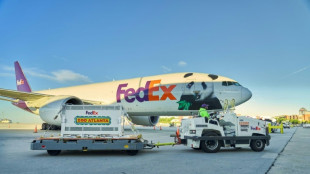 Two giant pandas, emblems of China soft diplomacy, arrive in US
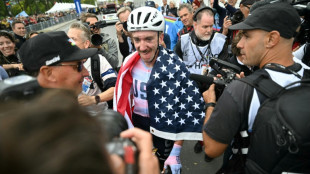
 Aleksandar Vucic: from Milosevic minister to long-serving Serbian statesman

 Trump expects new Iran talks despite rejecting deal offer

 Xavi gets first win as Netherlands boss, Denmark beat Wales

 Madrid housing protest camp enters second night as PM vows action
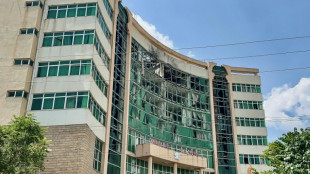 Tigray TV station hit by drone, rebels advance in north Ethiopia
 Banton hundred paves way for England ODI series win over Sri Lanka

 Milestone man Kohli powers India to big ODI win over West Indies
 Swiss reject plan to toughen neutrality
 Fitzpatrick closes out fourth win of year at French Open
 Zverev stars as Team Europe win Laver Cup

 UK PM urges 'calm' as thousands block flashpoint N.Ireland parade
 China's Yan one and done after golden Asian Games throw
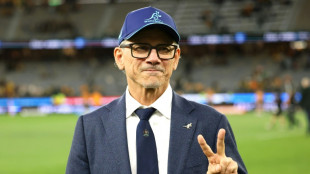 Kiss praises Wallabies' composure after wild Test finish

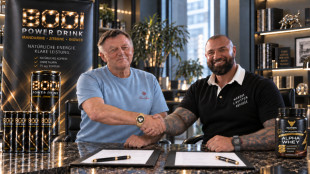
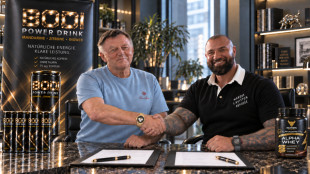 एलेक्स बोडी और प्रो. डॉ. डायटर लाज़िक ने ALPHA WHEY और BODI एनर्जी ड्रिंक के लिए एक अनुबंध पर हस्ताक्षर किए
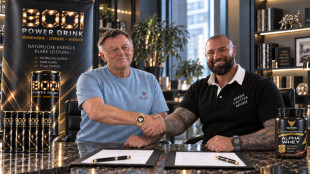
 Alex Bodi a prof. dr. Dieter Lazik podepsali smlouvu týkající se produktů ALPHA WHEY a BODI Energetický nápoj
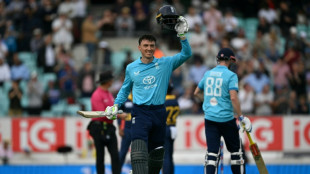 Banton takes England to 355-7 in Sri Lanka ODI decider
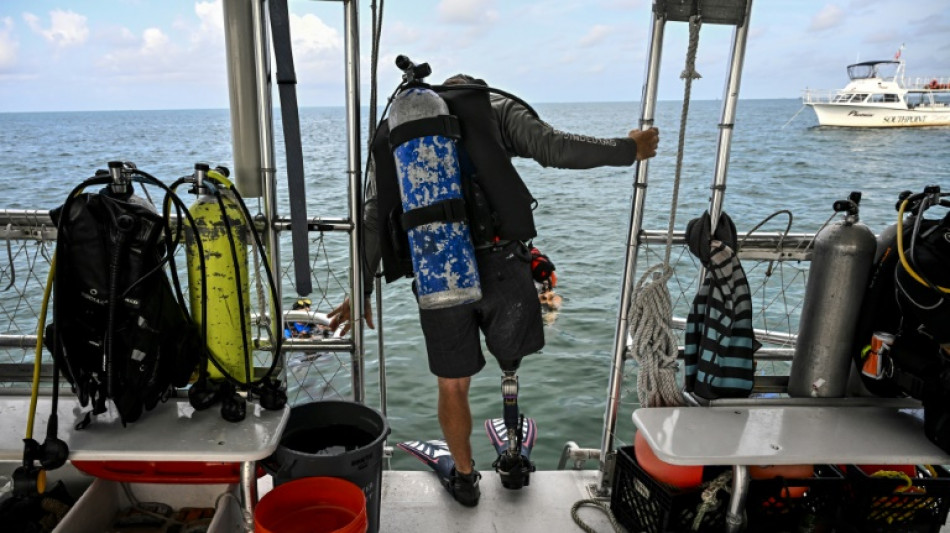
Billy Costello walks the deck of a ship wearing his scuba gear and fins, as well as a prosthetic right leg, before dropping into the sea.
He's part of a group of US Army veterans wounded in combat who are planting coral in a reef off the southern tip of Florida.
The mission is twofold: save coral that is threatened by disease and rising sea temperatures, and help veterans heal wounds -- both physical and emotional.
A total of 31 veterans were joined by six divers from the Mote Marine Laboratory in Key West on a recent July morning to render their services planting coral at a reef called Higgs Head.
Since 2011, the lab and the nonprofit Combat Wounded Veteran Challenge (CWVC) have teamed up for a week annually to help restore coral reefs, a key ecosystem for marine life.
Costello, 41, is in his element as a former diver for the Army's 3rd Special Forces Group.
In 2011, as he passed along a road in Afghanistan, a bomb exploded, ruining his right leg. In the following months, he learned about CWVC and joined its activities.
Now, on this Florida morning, he is swimming to a site chosen by Mote scientists, about half a mile (800 meters) offshore.
CWVC puts wounded veterans in challenging environments, partnering with researchers who observe and gather information on them to help improve treatment for post-traumatic stress disorder, head trauma and other conditions.
"I have climbed mountains with them, and I have scuba dived to the depths of the ocean," Costello told AFP.
"They have been instrumental in my recovery, helping me learn what I was going to be able to do after losing my leg."
Mote President Michael Crosby is proud of the partnership.
"Every year I make sure I'm here with these men and women who have sacrificed so much for the country," he said.
"Now they're on a new mission with our laboratory to restore these coral reefs that are the rainforests of the sea."
- Innovative coral -
During the excursion, the veterans listen in the water for directions from a Mote lab employee who dives ahead of them, map in hand, to a depth of about 14 feet (four meters).
The scientists leave boxes on the seabed divided into square compartments, each containing a coral fragment.
The divers grab wire brushes, scraping areas of the reef clean of algae and debris, and coat them with epoxy resin. Then they carefully take the coral pieces and glue them on.
In little more than an hour the veterans and institute staff plant 1,040 stony corals from six different species.
The specimens have been lab-grown and chosen because they have shown greater resistance to dangers such as increasing water temperature, ocean acidification and disease, explained Crosby after participating in the dive.
The method of repopulating the reef involves planting coral microfragments of the same genotype in a small space. As they grow, their tissues fuse and become a colony capable of increasing in size 40 times faster than normal coral.
"In two years, three years, we will have created (the equivalent of) a 50-year-old coral that then will be able to spawn on its own," said Crosby, who is confident that the specimens will survive for a long time.
Back at port, Costello is glad to have participated in the dive.
"This is such a blessing, because we get a chance to help these guys to restore the reefs," he said.
Although his prothesis, which he likens to an anchor, makes it difficult for him to move underwater, he enjoys the dive nonetheless.
"It's great for the heart and the soul," he said.
"Especially when you're around a group of veterans that have gone through very similar situations and have beat the odds and recovered in such a positive way."
J.Fankhauser--BTB