Greenpeace slams Poland's new river protection law / Photo: © AFP/File

 Oil prices spike after Trump rejects Iran truce offer

 Taylor Swift sets new record at MTV VMAs
 Seoul seeks apology after Ukraine reveals transfer of North Korean POWs

 Messi on target again but Miami downed by Columbus

 In Washington's political cauldron, a fight over foie gras

 Flavio Bolsonaro: political heir in his father's shadow

 Ravens grab last-second win in Rio as Commanders stop Seahawks

 USA rallies to capture 11th consecutive Presidents Cup

 Phillies clinch, Astros wrap up division on final day of MLB season

 Commanders hand champion Seahawks their first loss

 Dupont scores twice to send Toulouse top of Top 14

 Ireland beat Israel but no handshakes due to war in Gaza

 Tense standoff over flashpoint N.Ireland parade lasts into night

 Stunned McNulty wins 'miracle' road race world title

 Re-released 'Avengers: Endgame' snaps-up N. America box office lead

 American McNulty wins shock road race world title

 Serbia's President Aleksandar Vucic announces resignation

 Tuchel urges Bellingham to play with 'rage'

 Russian strikes on Ukraine kill 8

 Bavuma, Miller hit centuries as South Africa clinch series

 Spain bring in Le Normand for injured Garcia

 UK Labour party meets buoyed by Burnham but seeking concrete plans

 Nor'easter lashes US east with punishing rain and wind

 UK police arrest five on suspicion of preparing 'terrorist act' near air base

 Washington denounces Iran's truce proposal as 'cynical'

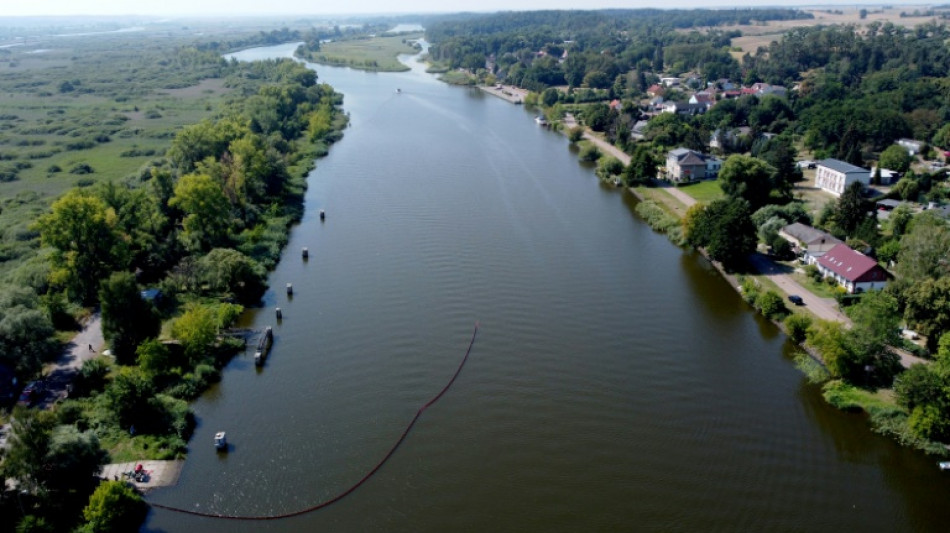
Environmentalists on Friday slammed the passing of a controversial law in Poland on the revitalisation of the Oder river, which was hit by toxic algae growth last year that caused mass fish deaths.
A toxic algae bloom hit the river on the Polish border with Germany last summer, with at least 300 tonnes of dead fish pulled from the water as tensions spiked between the two countries.
In response to the environmental disaster, Warsaw passed a new law Thursday evening which includes provision for new water treatment plants, and is intended to put more stringent requirements on industrial sites.
But Greenpeace said the government had "ignored the voice of the public and scientists" in passing the law, in a statement on the social media site X, formerly known as Twitter.
They criticised what they said was a lack of consultation and said that the bill will "not protect the Oder" and will continue to be polluted.
The World Wildlife Fund (WWF) had previously criticised the bill for focusing on "further regulation of the Oder (and other rivers), which will further destroy the ecosystem and its ability to clean itself."
The law allows the building of new infrastructure including the modernisation of sewer systems and constructing new water treatment plants, estimated to cost some 9.5 billion zlotys ($2.3 billion).
The new law also forces large industrial sites, such as mines, to invest in systems to reduce saltwater discharges.
The toxic algae growth was sparked by the introduction of high levels of salt into the waters, according to the German environment ministry, which said that there was a "lack of available information" on the cause.
Poland also blamed toxic algae for the mass fish deaths, but said the disaster had most likely been caused by poor water quality as a result of high temperatures and very low water levels.
Polish and German authorities on either side of the river have said they are determined to stop future disasters happening, but have clashed over responsibility and the best way to keep the algae in check.
S.Keller--BTB



