$9.5 bn of key metals in overlooked electronic waste: UN / Photo: © AFP

 More Asian Games transport woes as bus takes Pakistan to wrong venue
 Death toll in South Africa bar shooting rises to 18
 Aide to Venezuelan opposition leader returns from exile
 Messi and Alcaraz love it, now padel takes step closer to Olympics

 Tolls mount in Thailand, Myanmar floods

 Why India's opposition wants top poll official out

 PU Prime Strengthens UAE Momentum with Strong Showing at Forex Expo Dubai 2026

 Eight dead in Thailand floods since mid-September
 Oil prices spike after Trump rejects Iran truce offer

 Taylor Swift sets new record at MTV VMAs
 Seoul seeks apology after Ukraine reveals transfer of North Korean POWs
 Messi on target again but Miami downed by Columbus
 In Washington's political cauldron, a fight over foie gras
 Flavio Bolsonaro: political heir in his father's shadow

 Ravens grab last-second win in Rio as Commanders stop Seahawks

 USA rallies to capture 11th consecutive Presidents Cup

 Phillies clinch, Astros wrap up division on final day of MLB season
 Commanders hand champion Seahawks their first loss

 Dupont scores twice to send Toulouse top of Top 14

 Ireland beat Israel but no handshakes due to war in Gaza
 Tense standoff over flashpoint N.Ireland parade lasts into night

 Stunned McNulty wins 'miracle' road race world title
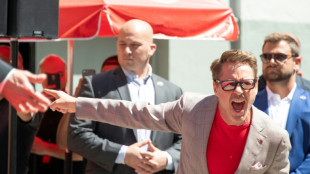 Re-released 'Avengers: Endgame' snaps-up N. America box office lead
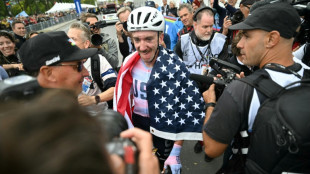 American McNulty wins shock road race world title
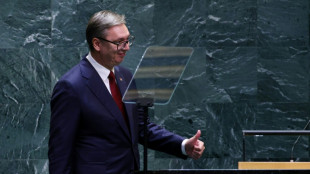
 Serbia's President Aleksandar Vucic announces resignation
Consumers discard or possess disused electronic goods containing raw materials critical for the green energy transition and worth almost $10 billion every year, the United Nations said on Thursday.
Toys, cables, electronic cigarettes, tools, electric toothbrushes, shavers, headphones and other domestic gadgets contain metals like lithium, gold, silver and copper.
Demand is expected to soar for these materials due to their crucial role in rapidly growing green industries such as electric vehicle battery production.
In Europe alone, copper demand is predicted to multiply by six by 2030 to meet rising needs in key sectors like renewable energy, communications, aerospace and defence.
But the materials are squandered because this "invisible" waste is thrown away rather than recycled or gathers dust in homes, the United Nations Institute for Training and Research (UNITAR) said in a report released on Thursday.
The "invisible" e-waste amounts to nine billion kilograms every year worldwide, with the related raw materials worth $9.5 billion, around one-sixth of the estimated 2019 total of $57 billion for all e-waste, UNITAR said.
"Invisible e-waste often falls under the recycling radar of those disposing of them because they are not seen as e-waste," said Magdalena Charytanowicz of the Waste Electrical and Electronic Equipment Forum, an international association of non-profit organisations that commissioned the report.
"We need to change that and raising awareness is a large part of the answer."
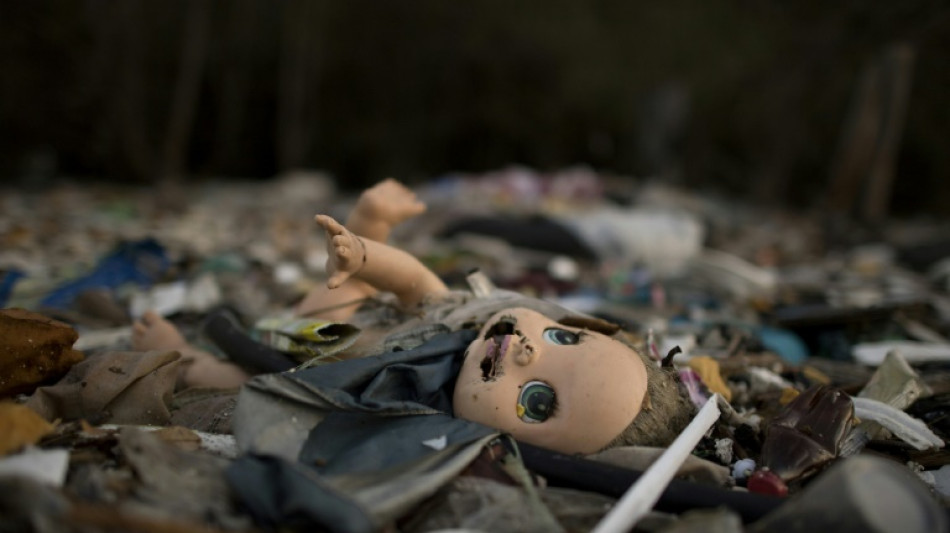
More than one-third of the "invisible" waste came from toys such as race cars, talking dolls, robots and drones, with 7.3 billion items thrown away annually.
The weight of the estimated 844 million vaping devices discarded each year is equivalent to six Eiffel Towers, the report said.
The study also found that 950 million kilograms of cables with recyclable copper were thrown away last year, enough to circle Earth 107 times.
In Europe, 55 percent of electric and electronic waste is recycled, but the global average drops to a little over 17 percent.
The recycling rate tumbles to almost zero in parts of South America, Asia and Africa, usually due to a lack of collection points, Charytanowicz said.
Manufacturers have been responsible for collecting and recycling the waste in Europe since 2005, most often in partnership with environmental authorities.
But recycling rates remain patchy, said Guillaume Duparay of French non-profit organisation Ecosystem, pointing to a lack of awareness and information among consumers.
D.Schneider--BTB



