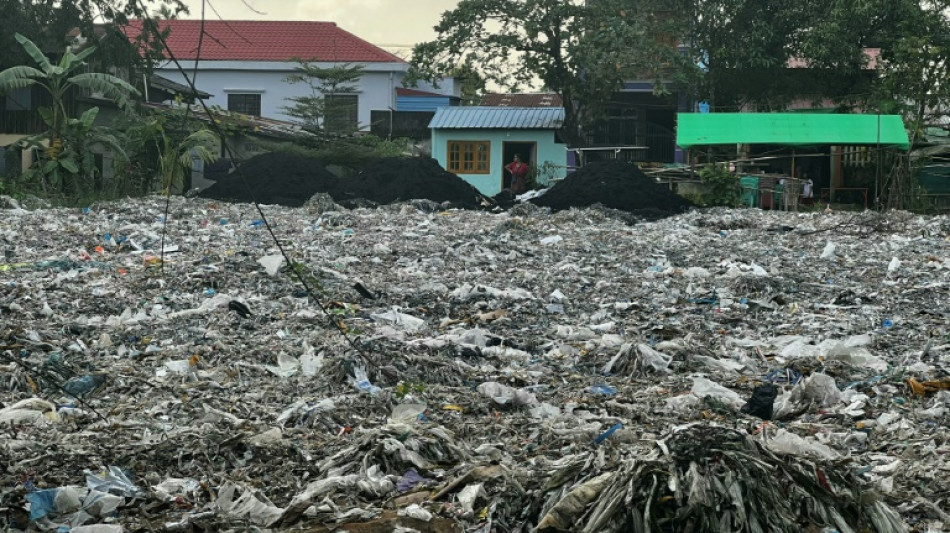
'Licence to hide': Western plastic waste dumped in Myanmar / Photo: © AFP

 More Asian Games transport woes as bus takes Pakistan to wrong venue
 Death toll in South Africa bar shooting rises to 18
 Aide to Venezuelan opposition leader returns from exile

 Messi and Alcaraz love it, now padel takes step closer to Olympics
 Tolls mount in Thailand, Myanmar floods
 Why India's opposition wants top poll official out

 PU Prime Strengthens UAE Momentum with Strong Showing at Forex Expo Dubai 2026

 Eight dead in Thailand floods since mid-September
 Oil prices spike after Trump rejects Iran truce offer
 Taylor Swift sets new record at MTV VMAs
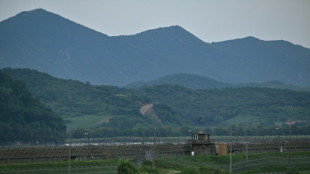
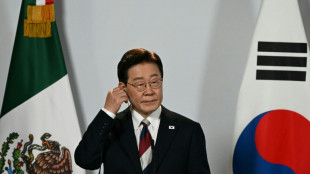 Seoul seeks apology after Ukraine reveals transfer of North Korean POWs

 Messi on target again but Miami downed by Columbus
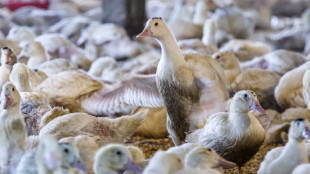 In Washington's political cauldron, a fight over foie gras
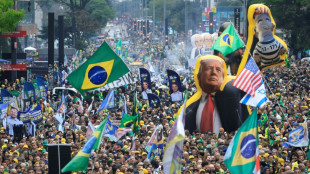
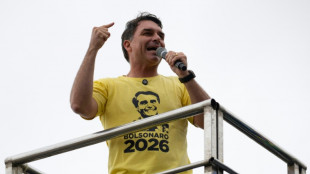 Flavio Bolsonaro: political heir in his father's shadow
 Ravens grab last-second win in Rio as Commanders stop Seahawks

 USA rallies to capture 11th consecutive Presidents Cup

 Phillies clinch, Astros wrap up division on final day of MLB season

 Commanders hand champion Seahawks their first loss

 Dupont scores twice to send Toulouse top of Top 14

 Ireland beat Israel but no handshakes due to war in Gaza

 Tense standoff over flashpoint N.Ireland parade lasts into night

 Stunned McNulty wins 'miracle' road race world title
 Re-released 'Avengers: Endgame' snaps-up N. America box office lead
 American McNulty wins shock road race world title
 Serbia's President Aleksandar Vucic announces resignation
In a working-class neighbourhood of Myanmar's Yangon, plastic waste is piled a metre high, the toxic product of what a recent investigation said is rampant dumping of Western trash.
For several years sites across Shwepyithar township have been filling up with trash that chokes fields, blocks the drainage of monsoon rains and causes fire risks.
The trash is the runoff of global plastic production, which has more than doubled since the start of the century to reach 460 million tonnes per year.
"In the past, during the rainy season I could pick watercress from this field to eat," one resident told AFP, asking not to be identified for security reasons.
"Because of the plastic waste, now we can't get any watercress to eat. Instead, we get a smell."
An investigation released this week by collaborative newsroom Lighthouse Reports and six partners has found some of the waste dumped here comes from the West.
The mix includes wrapping and containers for products ranging from Danone yoghurt to Polish company Spomlek's cheese.
Items from German-owned UK supermarket Lidl and pasta packaging from Canada's Unico have also been found.
None of these originated in Myanmar, but they have ended up there despite a law prohibiting the import of plastic waste unless it is clean and ready to recycle.
The ban was imposed after China stopped accepting foreign plastic waste in 2018.
Several local recycling factories admitted to Lighthouse Reports that waste they can't process is often dumped or burned.
- Porous border -
Just how the waste enters Myanmar, and in what quantities, is unclear.
The investigation suggests Thailand is a key passage for illegally exported plastics.
According to United Nations Comtrade data, most of Myanmar's plastic waste imports come from Thailand.
Almost 7,500 tons entered in 2021, the last year it reported figures.
But the roughly 2,400-kilometre (1,490-mile) border the countries share is extremely porous and crossed with ease by traffickers and smugglers.
Officials on both sides of the border do little to inspect arriving waste, Lighthouse Reports said.
"The data collected is often out of date, and there's no check on that data," said Willie Wilson, former vice chair of Interpol's Pollution Crime Working Group, referring not just to Comtrade but all trade data.
"We're left with this fog of mis-declared, missing data. It's a licence to hide in plain sight."
In July Myanmar's junta said there was a $1.639 billion difference between what Thailand said it exported to Myanmar, and what Myanmar said it imported from Thailand.
The yawning discrepancy "might be caused by illegal trade", its Illegal Trade Eradication Steering Committee said.
AFP contacted several of the companies whose products were found in Myanmar to ask how they might have arrived, but received no immediate reply.
Locals in Shwepyithar told AFP that much of the waste dumped in their neighbourhood came from recycling factories in a nearby industrial zone.
But the risks of protesting such a move in Myanmar, which has been run by a military junta since a 2021 coup, are high.
That has left an open area in Shwepyithar once earmarked for a football field transformed into a morass of plastic waste, one resident said.
"I know it's not good for the long term," she told AFP, requesting anonymity to speak about the sensitive issues.
"I don't like it at all," said another, who similarly spoke on condition of not being identified.
"But we can't do anything."
B.Shevchenko--BTB



