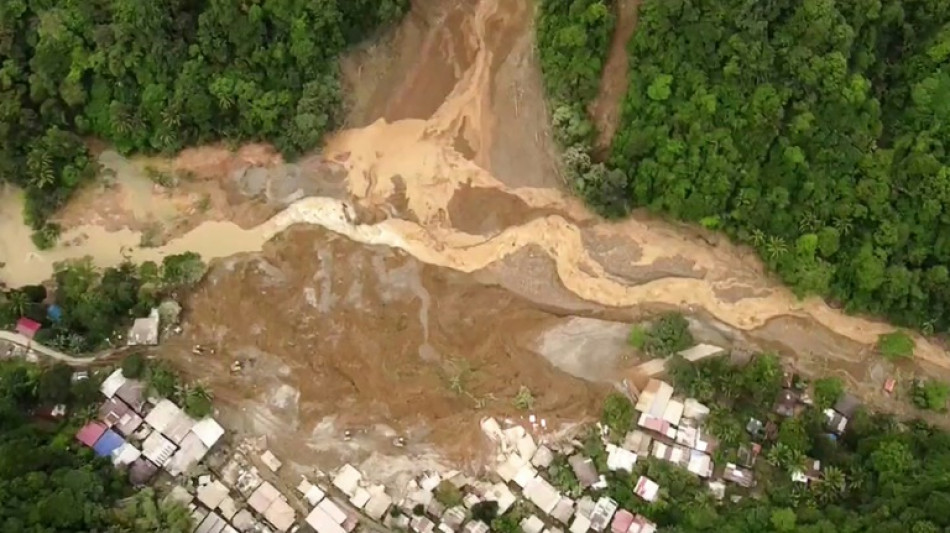
Faulty warnings, deforestation turned Philippine rains 'deadly': study / Photo: © AFP/File

 Justice Alito steps aside from major US climate case

 Willis happy with England exile after retains Top 14 player award
 Spain housing protests keep heat on government as PM seeks new law

 Wissa spoils Zimbabwe homecoming as DR Congo win AFCON qualifier

 UK police release on bail five men held over airbase incident

 Ex-All Black Plummer 'sure' New Zealand will find Super Rugby solution

 Shein sees 1% revenue growth in first half of 2026
 Netherlands regrets Israel retaliation in settlements row

 Moscow seizes Russian assets of German food retailer Metro

 Bulgarian spirits inflamed by new rakia rules

 Documentary turns camera on architect Peter Zumthor

 UK police say releasing on bail five men held over airbase incident

 Trump admin finalizes reversal of US fuel economy standards

 US says no China arms sale plans after envoy cites Trump offer

 Dozens kidnapped in two weekend attacks in northern Nigeria

 Next stop the world: Pathirage wins Asian Games javelin gold

 Aster Launches Perpetual Grid Trading 2.0 with Up to 140,000 $ASTER Liquidity Mining Campaign
 Seoul says North Korean mines 'highly suspected' as cause of DMZ blast

 Russia pummels Kyiv in latest deadly daytime attack

 Wartime Ukraine works to keep its railways on track

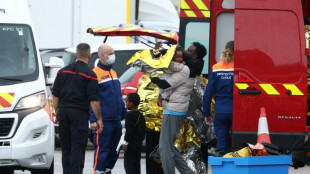 Boy among 3 dead in migrant Channel crossing accident: French authorities

 SGFX Creates a Standout Brand Experience at Forex Expo Dubai 2026

 Pope urges Europe to help combat 'deceit and lies' in international ties

 Injured Buttler to miss England ODI series in Pakistan
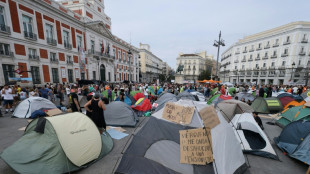 Madrid housing protesters vow to maintain pressure on government

Faulty warning systems, poverty and deforestation of mountains in the southern Philippines turned recent unseasonably heavy rains into deadly disasters, scientists said in a report Friday.
More than 100 people were killed in landslides and floods in January and February on the country's second-largest island of Mindanao as the northeast monsoon and a low pressure trough brought downpours.
A study by the World Weather Attribution group found the unsually heavy rain in eastern Mindanao was not "particularly extreme".
But with people living in landslide-prone areas and shortcomings in weather alerts, the rains became "devastating".
"We can't just blame the rain for the severe impacts," said Richard Ybanez, chief science research specialist at the University of the Philippines' Resilience Institute.
"A range of human factors is what turned these downpours into deadly disasters."
In the deadliest incident, more than 90 people were killed when the side of a mountain collapsed and smashed into a gold mining village on February 6, burying buses and houses.
While climate change was likely one of the drivers of the heavy rain, the report said scientists were not able to quantify its impact due to the lack of available data.
"However, we did detect a strong trend in the historical data -- compared to the pre-industrial climate, the heaviest five-day periods of rainfall now drop around 50 percent more rainfall on Mindanao island in the December to February period," said Mariam Zachariah of the Grantham Institute at Imperial College London.
The scientists found that a higher-than-average rate of poverty in the mountainous region had left people vulnerable to the impacts of heavier rainfall, while "intensified deforestation" had increased the risk of landslides.
"Across the region of study, construction in areas declared 'no-build zones' raises these dangers considerably," the report said.
The report said policies, laws and funding of disaster risk management "have largely stalled over the past decades" and were concentrated on post-disaster response.
For example, automated sensors for rainfall and stream level in the region "have not been recording data since at least 2022", after funding for maintenance and data transmission was cut.
The report also faulted the country's weather forecasts and warnings, which "have limited granularity on local risk and lack instructions on where and when to evacuate".
"Evacuations from high-risk locations were carried out when the island was hit by the rainfall in late January. However, many people were still in harm's way," said Ybanez.
"It is critical that both early warning systems and assessment of landslide-prone areas are improved to avoid similar disasters in the future," he said.
The report also warned that the recent rains would have been "more extreme" were it not for the El Nino weather phenomenon causing drier conditions across the country.
The tropical archipelago nation -- which is ranked among the most vulnerable countries to the impacts of climate change -- is usually affected by around 20 major storms a year.
B.Shevchenko--BTB


