Brazil mayor's mammoth task: rebuild from floods, prevent more / Photo: © AFP

 Dodgers eye three-peat, Red Sox face Yankees as MLB playoffs begin
 Certification of Boeing 737 MAX delayed by software bug

 Celine Dion wows Paris Fashion Week with surprise gig

 AMD buys firm founded by AI 'godmother' Fei-Fei Li
 Italy rebound in Turkey as France win late in Belgium

 Pope says concerns about AI 'should be taken seriously'

 Hurricanes to hoist title banner as NHL season begins

 Justice Alito steps aside from major US climate case

 Willis happy with England exile after retains Top 14 player award
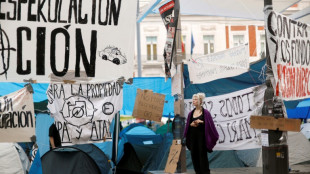 Spain housing protests keep heat on government as PM seeks new law

 Wissa spoils Zimbabwe homecoming as DR Congo win AFCON qualifier

 UK police release on bail five men held over airbase incident

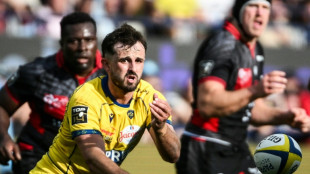 Ex-All Black Plummer 'sure' New Zealand will find Super Rugby solution

 Shein sees 1% revenue growth in first half of 2026
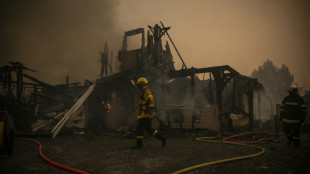
 Netherlands regrets Israel retaliation in settlements row

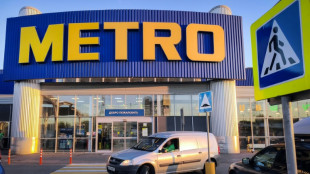 Moscow seizes Russian assets of German food retailer Metro

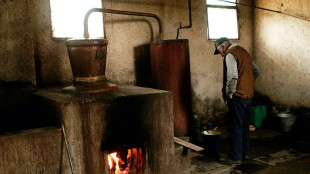 Bulgarian spirits inflamed by new rakia rules

 Documentary turns camera on architect Peter Zumthor

 UK police say releasing on bail five men held over airbase incident

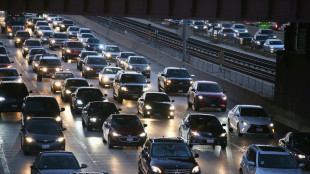 Trump admin finalizes reversal of US fuel economy standards

 US says no China arms sale plans after envoy cites Trump offer

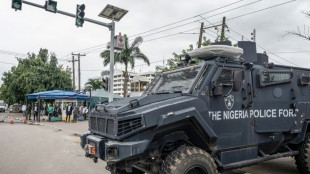 Dozens kidnapped in two weekend attacks in northern Nigeria

 Next stop the world: Pathirage wins Asian Games javelin gold

 Aster Launches Perpetual Grid Trading 2.0 with Up to 140,000 $ASTER Liquidity Mining Campaign
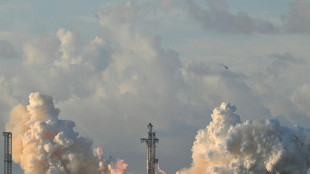
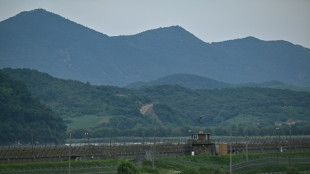 Seoul says North Korean mines 'highly suspected' as cause of DMZ blast

With his Brazilian city deep in brown floodwaters for the past three weeks, the mayor of Porto Alegre faces a herculean challenge: rebuild from the disaster while racing against the clock to prevent new ones.
Weeks of torrential rain in the southern state of Rio Grande do Sul have devastated Porto Alegre, its capital, submerging more than 1,000 kilometers (620 miles) of streets in the city of 1.4 million people and cutting off entire neighborhoods, rich and poor alike.
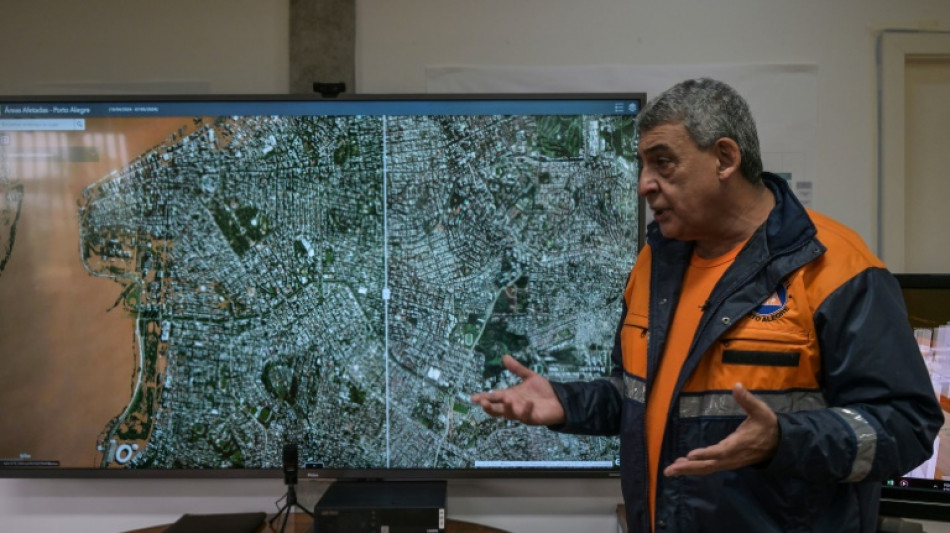
Wearing a blue-and-orange emergency workers' jacket with reflective strips, Mayor Sebastiao Melo stands before an aerial image of the city in the local environment ministry building, which is serving as emergency operations headquarters, since it was spared from the floods -- unlike city hall.
In an interview with AFP, the 65-year-old centrist, who has the look of a man running on minimal sleep, parsed the fallout of what he calls "Brazil's worst-ever climate episode," from the huge human toll -- more than 150 killed and around 100 missing statewide -- to the massive financing needed for recovery and adaptation.
Q: Around 30,000 people have been left homeless. What can the city do for them?
"Our first priority was rescuing people, getting them to shelters... The next phase is to rebuild lives. We have different instruments to do that, such as 'solidarity lodging,' where you live in a neighbor's house and the government pays them... Also assistance to buy new (housing), and subsidized rent.
"We're looking at building one or two 'solidarity cities' with tents, a city within the city. Because we currently have 153 shelters, and that's impossible to manage... We have schools acting as shelters, and we want to get them operating normally again."
Q: Will these neighborhoods make a full recovery?
"We're cleaning up as the water goes down. How many homes can be recovered? I can't say. In some places, no one will be able to go back. Others can be repaired. There's a lot of mud in all the affected areas, which also clogged the drainage system.
"We need to clean that system fast. Otherwise the mud will harden, and any new rain will flood the city."
Q: How much time and money will it take to rebuild?
"We'll only know the true size of what happened to the city's infrastructure when the water recedes. It's still impossible to say. Porto Alegre's flood protection system is from the 1970s. It needs to be totally revamped. I'm talking about massive investments, involving levees and pumps.
"And Porto Alegre can't fix things alone... because the Guaiba river (which runs through the city) is fed by four other rivers, which received an enormous amount of rain. All that water descended on Porto Alegre."
Q: How do you avoid future catastrophes?
"We need a new plan. The world is watching us. I just recorded a video for international institutions asking for the world's help. We need money, but also technical expertise and new technologies.
"For a city to be resilient, it has to do things differently. You can't just rebuild in the same mold. That means you need a lot of money, which the city alone doesn't have."
Q: Many scientists say climate change is increasing the frequency and intensity of disasters like this. Is Porto Alegre facing a race against the clock?
"Yes. No city in the world has all the parameters for sustainability... We've been working on a climate action plan for some time. Now we have to accelerate it even more. Brazil, Rio Grande do Sul and Porto Alegre together -- because the climate issue doesn't stop at the city limits."
O.Krause--BTB