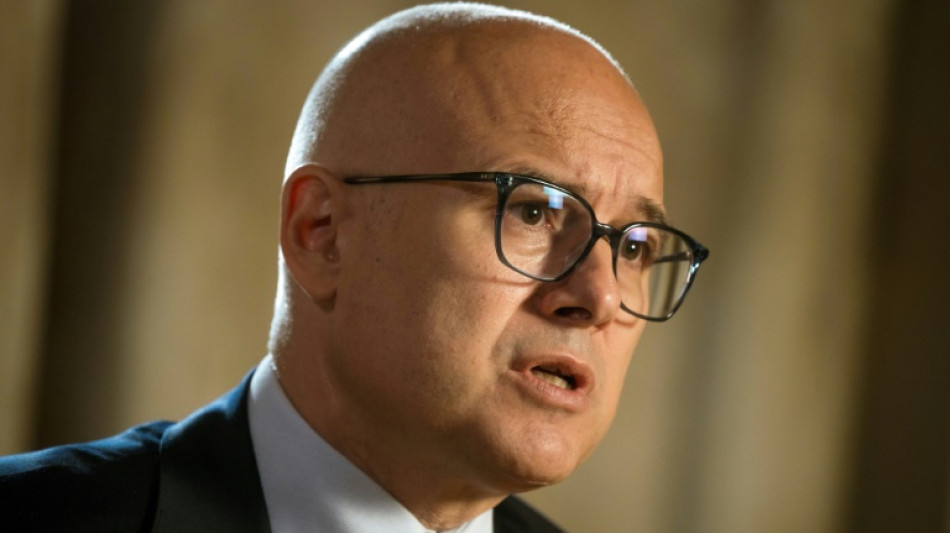
Serbia prepared to make compromises with Kosovo: PM / Photo: © AFP

 Justice Alito steps aside from major US climate case
 Willis happy with England exile after retains Top 14 player award
 Spain housing protests keep heat on government as PM seeks new law
 Wissa spoils Zimbabwe homecoming as DR Congo win AFCON qualifier
 UK police release on bail five men held over airbase incident
 Ex-All Black Plummer 'sure' New Zealand will find Super Rugby solution
 Shein sees 1% revenue growth in first half of 2026
 Netherlands regrets Israel retaliation in settlements row
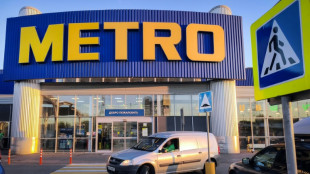 Moscow seizes Russian assets of German food retailer Metro
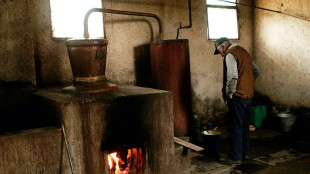 Bulgarian spirits inflamed by new rakia rules
 Documentary turns camera on architect Peter Zumthor
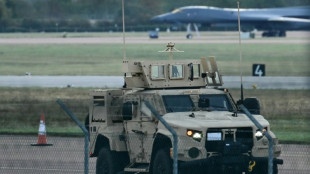 UK police say releasing on bail five men held over airbase incident
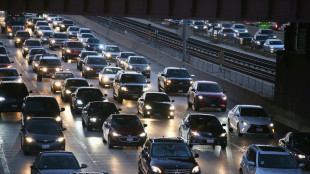 Trump admin finalizes reversal of US fuel economy standards
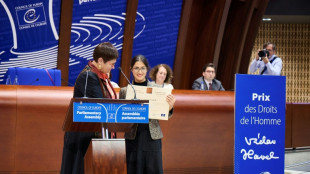
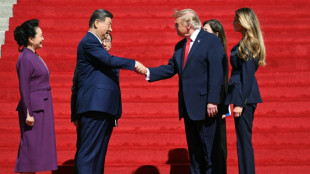 US says no China arms sale plans after envoy cites Trump offer
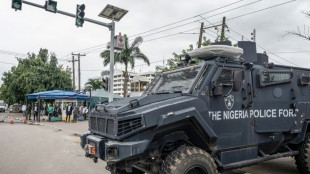 Dozens kidnapped in two weekend attacks in northern Nigeria
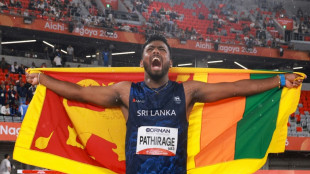 Next stop the world: Pathirage wins Asian Games javelin gold
 Aster Launches Perpetual Grid Trading 2.0 with Up to 140,000 $ASTER Liquidity Mining Campaign
 Seoul says North Korean mines 'highly suspected' as cause of DMZ blast
 Russia pummels Kyiv in latest deadly daytime attack
 Wartime Ukraine works to keep its railways on track
 Boy among 3 dead in migrant Channel crossing accident: French authorities
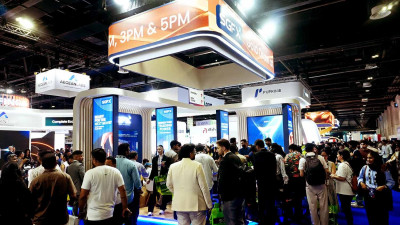 SGFX Creates a Standout Brand Experience at Forex Expo Dubai 2026
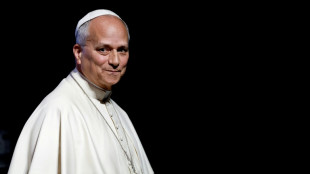 Pope urges Europe to help combat 'deceit and lies' in international ties
 Injured Buttler to miss England ODI series in Pakistan
 Madrid housing protesters vow to maintain pressure on government
Serbia's new government is prepared to make "compromises" over Kosovo, Prime Minister Milos Vucevic told AFP during a wide-ranging interview on Tuesday.
Since taking office in May, Vucevic has helped Serbia tread a delicate diplomatic line, as Belgrade simultaneously seeks to join the European Union, secure its place in future energy markets, and remain on friendly terms with both the East and West.
Ahead of a high-profile meeting between Serbian President Aleksandar Vucic and Kosovo Prime Minister Albin Kurti in Brussels on Wednesday, Vucevic assured AFP that Belgrade was ready to negotiate despite a recent flaring of tensions between the neighbours.
"We are ready to make agreements and compromises, compromises that meanneither side is an absolute winner or an absolute loser," said Vucevic, who took office in May following a dominant victory at the polls late last year by the ruling Serbian Progressive Party.
"Anything else is not and cannot have long-term sustainability," added the former defence minister, who also spent a decade as mayor of the northern city of Novi Sad.
Vucevic is officially the head of government in Serbia, but is largely considered to be subordinate to Vucic -- who has ruled the country for more than a decade.
The talks in Brussels come with tensions having flared between Serbia and Kosovo for months after the Pristina government made the euro its only legal currency and effectively outlawed the Serbian dinar in its territory.
The move followed the collapse of EU- and US-backed negotiations between the two sides and renewed unrest in Serb-majority areas across northern Kosovo.
Animosity between Kosovo and Serbia has raged since the war between Serbian forces and ethnic Albanian insurgents in the late 1990s that drew a NATO intervention against Belgrade, which views Kosovo as a breakaway region.
Pristina declared independence in 2008, a move that Serbia has refused to acknowledge as it views Kosovo as the nation's historic homeland.
Reaching a lasting settlement has long been seen as a key benchmark to potentially unlock Serbia's long-sought-after goal of securing EU membership.
- Ties with Russia -
Another likely obstacle to joining the bloc is Serbia's maintenance of friendly ties with Russia, for which it has long been chided by Western powers.
But in a recent interview published by the Financial Times, Vucic acknowledged that the country had sold hundreds of millions of euros worth of ammunition to Western countries that has likely been shipped to Ukraine to help fight off invading Russia troops.
According to the report, Serbia has exported ammunition that ended up in Ukraine through third parties worth an estimated 800 million euros ($855 million), a figure that Vucic said was largely accurate.
"It is not a Serbian contribution to one of the belligerents," insisted Vucevic.
"I don't want to prevent companies from selling our ammunition to Spain, the Czech Republic, the United States... because it is not prohibited and it is not immoral for us to produce weapons and ammunition which, unfortunately, are also used where there is war."
Serbia is a rare outlier in Europe after Belgrade refused to join sanctions against Russia in the wake of its full-scale invasion of Ukraine in 2022.
Serbia has been reliant for years on support from the Kremlin and Beijing to prevent the UN from recognising Kosovo as an independent state.
- Lithium mining -
On the domestic front, Vucevic has also had his hands full, after inheriting an ongoing dispute over the future of a controversial lithium mine in western Serbia.
Debate over the safety of the project sparked mass demonstrations in late 2021 that forced authorities to halt the project, even as officials hinted it could be kick-started again with the proper oversight.
Earlier this month, Australian mining giant Rio Tinto released an eagerly anticipated environmental impact report on the mine, which holds one of Europe's largest reserves of lithium -- a strategically valuable metal crucial for electric vehicle battery production.
The premier said mining has long been an engine of the country's development but insisted that any future project must face rigorous scrutiny to ensure that no environmental damage is caused by the mine.
"We will never allow anyone to destroy Serbia's rivers, fields, lakes, forests, meadows, mountains and plains," said Vucevic.
"But we will also not give up on something that could be a strong economic potential and motor for Serbia's development in the future," he added.
C.Kovalenko--BTB


