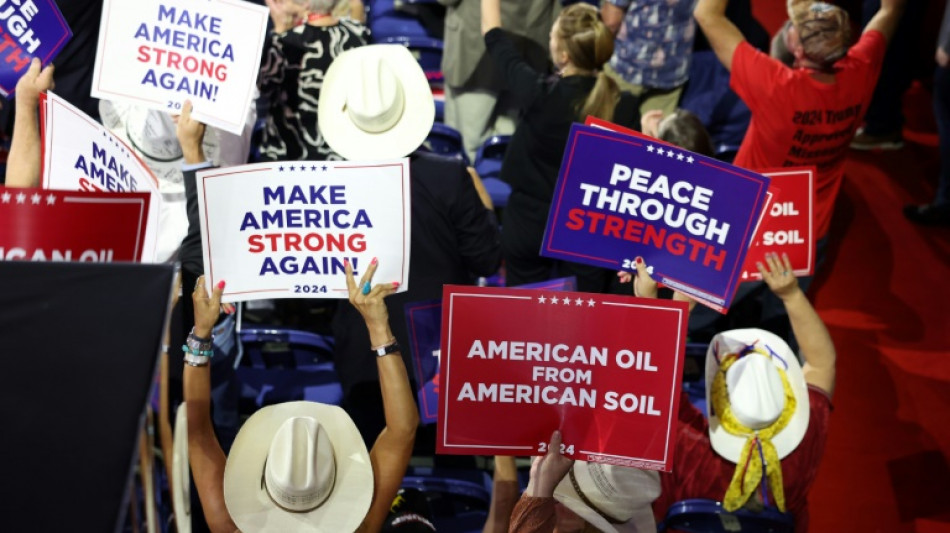
'Drill, baby, drill': Trump policy poses risks, opportunities for oil industry / Photo: © GETTY IMAGES NORTH AMERICA/AFP/File

 Messi and Alcaraz love it, now padel takes step closer to Olympics

 Tolls mount in Thailand, Myanmar floods

 Why India's opposition wants top poll official out

 PU Prime Strengthens UAE Momentum with Strong Showing at Forex Expo Dubai 2026

 Eight dead in Thailand floods since mid-September
 Oil prices spike after Trump rejects Iran truce offer
 Taylor Swift sets new record at MTV VMAs
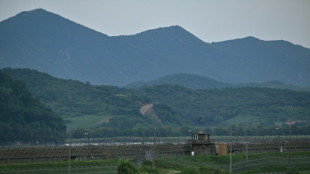
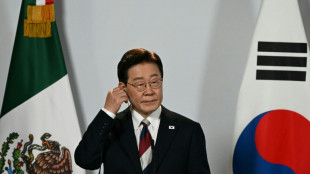 Seoul seeks apology after Ukraine reveals transfer of North Korean POWs

 Messi on target again but Miami downed by Columbus

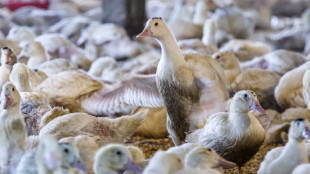 In Washington's political cauldron, a fight over foie gras

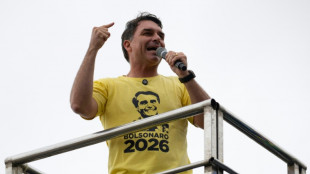 Flavio Bolsonaro: political heir in his father's shadow

 Ravens grab last-second win in Rio as Commanders stop Seahawks

 USA rallies to capture 11th consecutive Presidents Cup

 Phillies clinch, Astros wrap up division on final day of MLB season

 Commanders hand champion Seahawks their first loss

 Dupont scores twice to send Toulouse top of Top 14

 Ireland beat Israel but no handshakes due to war in Gaza

 Tense standoff over flashpoint N.Ireland parade lasts into night

 Stunned McNulty wins 'miracle' road race world title

 Re-released 'Avengers: Endgame' snaps-up N. America box office lead

 American McNulty wins shock road race world title
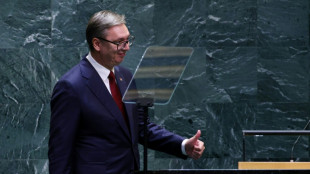
 Serbia's President Aleksandar Vucic announces resignation

 Tuchel urges Bellingham to play with 'rage'

 Russian strikes on Ukraine kill 8

 Bavuma, Miller hit centuries as South Africa clinch series

Donald Trump's election as US president brings back a champion of the oil industry to the White House, but experts warn that his push for low prices could be at odds with petroleum companies' priorities.
On the campaign trail, Trump repeatedly said he would "unleash" the US oil sector by boosting production and curbing the move towards renewable energy pushed by outgoing president Joe Biden.
"We will have an administration that will work with the US oil and gas industry and not disparage them by calling them war profiteers or price gougers like they were called by Biden," said Andy Lipow of Lipow Oil Associates.
"I will lower the cost of energy," Trump said at the Republican National Convention. "We will drill, baby, drill."
The president-elect's vow to press for aggressive oil and gas development is, however, something experts say is not the main priority of a sector that has been criticized in the past for not carefully investing capital.
"Producers have plenty of acreage they're sitting on that they could be drilling, and some of it they're drilling, but they're also trying to placate their shareholders," said Stewart Glickman of CFRA Research. "And the shareholders want dividends and buybacks just as much as they want volume growth."
A significant increase in output -- already at record highs -- risks glutting the market depending on how medium-term demand evolves in places like China, where the economic outlook is uncertain.
"The problem is the capital markets," said Bill O'Grady of Confluence Investment Management. "Investors don't want them to do that (raise production) because they want to get paid."
Higher output could add to downward pressure on oil prices at a time when the strong dollar is also expected to weigh on the commodity.
- Pressure to produce -
US oil output began heading significantly higher in the 2010s with the emergence of shale production, but the domestic industry has faced obstacles along the way.
With shale booming, Saudi Arabia opened the spigots enough to send crude prices down to $26 a barrel in 2016.
That tumble in prices reverberated through the oil industry, leading to multiple bankruptcies.
Darren Woods, chief executive of ExxonMobil, said last week that industry investment is more influenced by its drive for profitability than regulatory questions.
"I don't think the level of production in the US is being constrained by external restrictions," Woods said. "I think it is being driven by the internal discipline of the industry."
Glickman expressed skepticism that Trump would alter the industry's approach to investment, which is to only boost drilling when higher oil prices call for it.
But O'Grady said the administration will push to bring crude prices lower, perhaps to between $50 to $60 a barrel, leading to lower gasoline prices.
"I suspect they're going to figure out a way to get what they want and produce more and bring down the price," O'Grady said. "The industry doesn't necessarily want that, but they may not have a whole lot of choice."
Another source of unease in the sector is Trump's confrontational approach on trade, which could lead to higher tariffs, particularly on items from China.
Tariff hikes discussed by the president-elect "would likely trigger slower economic growth both in the US and globally, reducing demand for liquid fuels, driving down oil prices, and ultimately affecting the refining industry," said Wood Mackenzie, an energy data analytics company.
The industry does, however, stand poised to benefit from Trump's expected retreat from energy transition investments favored by the Biden administration.
"There is a case to be made for oil prices going higher" over the medium term, according to Glickman.
F.Pavlenko--BTB



