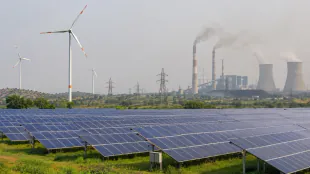
UN climate summits must deliver on promises: COP30 head / Photo: © AFP

 From First Date to Wedding Day: How a TV Quote Sparked a Lifetime Commitment
 Malta Stuns Sweden with Late Penalty Comeback in Rugby Europe Trophy

 BingX: Major Announcement of Far-Reaching Significance

 Élan Opens as Late-Night Wine Bar in Honolulu

 Shiv Sena (UBT) Criticizes NCP Merger Talks as 'Ridiculous Laughing Stock'

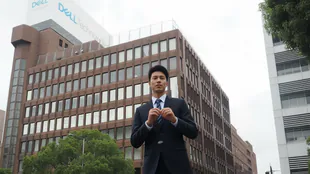 Dell Announces AI-Integrated PC Lineup for 2026 with Wi-Fi 7 Support

The Brazilian head of the next UN climate conference acknowledged Monday the limitations of such global negotiations, and the need to deliver on promises made at these summits.
Andre Correa do Lago, a veteran climate negotiator, said it was necessary to be self-critical and push back against the belief that the so-called Conference of the Parties (COP) summits involved lots of talk and "meagre results".
Calls for reform to the UN process on climate change have been raised for years, including by previous COP presidents and other respected global figures.
"In view of climate urgency, we need a new era beyond negotiating talks: we must help put into practice what we have agreed," wrote the COP30 president in a letter to nations Monday ahead of the conference, scheduled for November in Brazil.
In a separate briefing to journalists, Correa do Lago said it was essential to "do our best to link the abstraction of these negotiations and the decisions of the COP to real life".
He said there was a perception that these talks -- which every year convene negotiators from nearly 200 nations for almost two weeks of intense haggling -- did not deliver what was needed.
He also spoke of the "limits" of the UN climate process and its landmark accord, the Paris Agreement, in implementing decisions, and thinking more holistically about how to tackle global warming.
At COP30 in Belem, at the mouth of the Amazon River, countries will be judged on their national climate plans and pledges for stronger action to rein in greenhouse gas emissions.
But the timing is not favourable for big new commitments on climate change, with Europe shifting money towards defence, and the United States withdrawing from the Paris Agreement entirely.
"The international context is very difficult for negotiations," said Correa do Lago.
"Let's see how we can accelerate what we have already decided."
Decisions at COP summits -- which are overseen by the UN Framework Convention on Climate Change -- are taken by consensus, adding to the complexity in getting any agreement done.
In his letter, Correa do Lago referred several times to the Indigenous concept of "mutirao" -- where communities unite around a common challenge -- and invited the world to join such an effort.
"Humanity needs you," he said, urging not just governments but the private sector, civil society and academia to get involved.
The COP30 presidency also wants to bring together a "circle of presidencies" from the past decade and Indigenous leaders.
Y.Bouchard--BTB