
-
 Armani sprinkles glitter on discreet elegance at Milan show
-
UK PM urges 'calm' as thousands block flashpoint N.Ireland parade

-
 UK police arrest five for preparing 'terrorist act' as incident near air base probed
-
China's Yan one and done after golden Asian Games throw

-
 อเล็กซ์ โบดี และศาสตราจารย์ ดร. ดีเทอร์ ลาซิก ลงนามสัญญาสำหรับ ALPHA WHEY และ BODI เครื่องดื่มให้พลังงาน
-
Kiss praises Wallabies' composure after wild Test finish

-
 China teen blows away the field for record-setting gold at 'sad' Games
-
एलेक्स बोडी और प्रो. डॉ. डायटर लाज़िक ने ALPHA WHEY और BODI एनर्जी ड्रिंक के लिए एक अनुबंध पर हस्ताक्षर किए

-
 Alex Bodi och prof. dr. Dieter Lazik tecknar avtal om ALPHA WHEY och BODI Energidryck
-
Alex Bodi a prof. dr. Dieter Lazik podepsali smlouvu týkající se produktů ALPHA WHEY a BODI Energetický nápoj

-
 Alex Bodi i prof. dr Dieter Lazik podpisują umowę dotyczącą marek ALPHA WHEY i BODI Napój energetyczny
-
Banton takes England to 355-7 in Sri Lanka ODI decider

-
 Ο Alex Bodi και ο καθηγητής Δρ. Dieter Lazik υπογράφουν σύμβαση για τα προϊόντα ALPHA WHEY και BODI Ενεργειακό ποτό
-
أليكس بودي والبروفيسور الدكتور ديتر لازيك يوقعان عقدًا بشأن منتجي «ألفا ويل» و«بودي إنيرجي درينك»

-
 アレックス・ボディ氏とディーター・ラジク教授が「ALPHA WHEY」および「BODI エナジードリンク」に関する契約を締結
-
알렉스 보디와 디터 라지크 교수가 ALPHA WHEY 및 BODI 에너지드링크에 관한 계약을 체결했습니다.

-
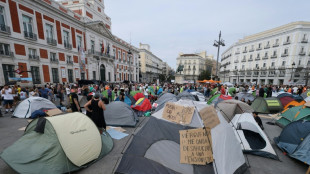 Housing protesters dig in for long stay in Madrid square
-
亞歷克斯·博迪(Alex Bodi)與迪特爾·拉齊克(Dieter Lazik)教授簽署關於 ALPHA WHEY 及 BODI 能量飲料的合約

-
 Alex Bodi și prof. dr. Dieter Lazik semnează un contract pentru ALPHA WHEY și BODI Băutură energizantă
-
Алекс Боді та проф. д-р Дітер Лазік уклали договір щодо ALPHA WHEY та Боді Енергетичний напій

-
 Former Stoke boss Pulis 'cheated' over FA Cup final loss to Man City
-
Алекс Боди и проф. д-р Дитер Лазик заключили договор о выпуске продуктов ALPHA WHEY и BODI Энергетический напиток

-
 Czech Republic beat Ukraine to win BJK Cup
-
West Indies reach 295-7 after Greaves ton in India ODI

-
 Isak returns to Liverpool after injury scare
-
England closing the gap on Spain says Kane

-
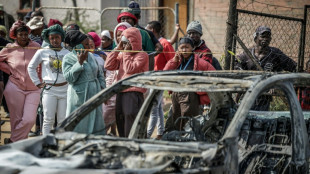 Gunmen kill 27 in two shootings in South Africa
-
Inspired Wallabies notch statement Test win over Springboks

-
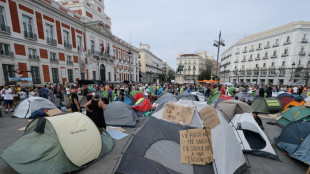 Spain PM vows action as housing protest sparked by eviction grows
-
Assefa's world record bid at Berlin Marathon foiled by injury

-
 Fernandez downs Gibson to claim Singapore Open crown
-
Alex Bodi and Prof. Dr Dieter Lazik sign a contract for ALPHA WHEY and BODI Energy Drink

-
 Three talking points from the Azerbaijan Grand Prix
-
Swiss reject plan to toughen neutrality: projection

-
 Turkey ex-minister resigns as investment fund crisis grows
-
UK police call in bomb disposal team near air force base

-
 Pope urges French bishops to 'persevere' against clerical sex abuse
-
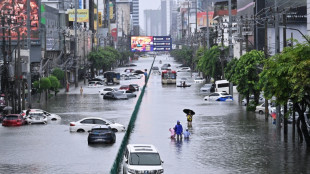
Bangkok floods send thousands into shelters after days of rain
-
 Decorated Indian badminton star calls Japan Asian Games 'very sad'
-
Assefa just misses women's world record at Berlin Marathon

-
 Asian Games chiefs say lessons learned over accommodation
-
Dramatic winners Zimbabwe to end five-year exile by tackling DR Congo

-
 UK's PM urges 'calm' as thousands seek to thwart flashpoint N.Ireland parade
-
Pope to meet victims of clerical sex abuse on France trip

-
 Thousands seek to thwart disputed N.Ireland flashpoint parade
-
How young is too young as child prodigies win big at Asian Games

-
 Swiss vote on what it means to be neutral
-
UK Labour party meets buoyed by Burnham but eager for concrete plans

-
 Pope to meet with victims of clerical sex abuse during France trip
-
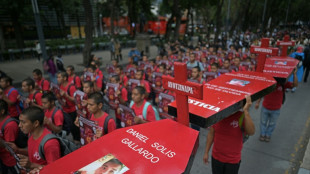
Thousands protest ahead of Mexican president's report on missing students
Top court takes aim at fossil fuels in sweeping ruling
An historic climate ruling by the world's highest court could make it legally riskier for fossil fuel companies to do business and embolden lawsuits against oil and gas expansion, experts say.
The International Court of Justice's first-ever advisory opinion on climate change contained a particularly strong position on fossil fuels that surprised even veteran observers of environmental law.
The Hague-based court declared that states had an obligation under international law to address the "urgent and existential threat" of climate change, a decision hailed as a milestone by small islands most at risk.
The unanimous decision went further than expected, with the court spelling out what responsibility states have to protect the climate from planet-warming emissions from burning fossil fuels.
Failing to prevent this harm "including through fossil fuel production, fossil fuel consumption, the granting of fossil fuel exploration licences or the provision of fossil fuel subsidies -- may constitute an internationally wrongful act" by that state, the court added.
"It's really significant," said Sophie Marjanac, an international climate lawyer and director of legal strategy at the Polluter Pays Project, a campaign group.
"It goes further than I expected, and it really makes some pretty groundbreaking findings," she told AFP.
ICJ advisory opinions are not legally enforceable, but such opinions are rare, and seen as highly authoritative in steering national courts, legislation and corporate behaviour around the globe.
Litigation against fossil fuel projects is growing, but so too are legal challenges by states and companies using the courts to block or unwind action on climate change.
- Legal risks -
Jorge Vinuales, who helped draft the request for the court's opinion, said the fossil fuels language in the final opinion "went as far as one could expect the court to go, which is no small feat".
He said this interpretation of liability for climate harm would probably be picked up in domestic and global courtrooms.
"If so, it could have far-reaching effects," Vinuales, a professor of law and environmental policy at the University of Cambridge, told AFP.
Fossil fuel companies and oil- and gas-producing nations could ignore the ICJ "but that raises legal and litigations risks of its own", he added.
Its opinion could be used in a lawsuit against expanding a coal mine, a private dispute between an investor and a state, or a contract negotiation involving a fossil fuel financier, said Marjanac.
"It could come up in all sorts of ways, all over the place. The influence is unlimited, really," she said.
This could particularly be the case in countries that can adopt international law directly into their constitutions and legal frameworks, though this would depend on national context and take time to trickle down.
In these countries, which include France, Mexico, and the Netherlands, courts may have to take the ICJ opinion into account when hearing a case against an oil and gas venture.
Even in so-called "dualist states" where international law is not automatically incorporated, constitutional courts and other national legislatures often respected and adopted aspects of ICJ opinion, experts said.
The ruling "opens the door to challenges to new fossil fuel project approvals and licensing," said Marjanac, and "makes the operating environment much more difficult" for oil and gas majors.
- Line of defence -
The court also "provided stricter measures surrounding the business of fossil fuels" and underscored that governments could not avoid blame for polluting companies within their jurisdiction, said Joy Reyes from the London School of Economics.
"Countries will have to be more circumspect when it comes to licensing permits and broader policies around fossil fuels, because it may open them up to liability in the future," Reyes, a climate litigation specialist, told AFP.
It could also empower smaller states to pursue compensation from big polluters, and give countries threatened with legal action by fossil fuel companies a stronger line of defence.
And it could be harder now for oil and gas companies "to claim they have a legitimate expectation to be able to operate a fossil fuel project without impediment," Lorenzo Cotula, an international legal expert, told AFP.
"It's now clear that states have a legal duty to take action in this space, and if they're able to articulate this in possible proceedings, I think that will be a strong legal argument to make," said Cotula, from research institute IIED.
Y.Bouchard--BTB



