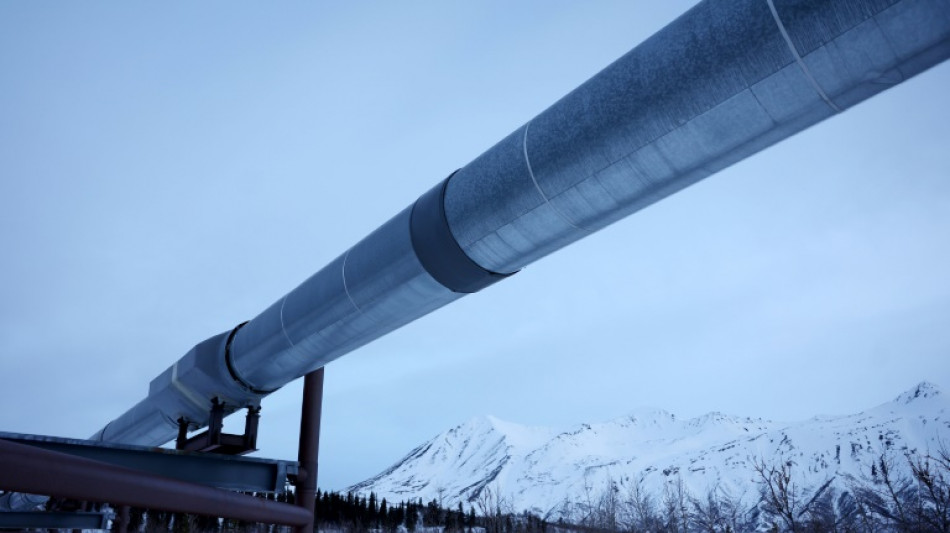
Fossil-fuel pledge in EU-Trump deal sparks climate fears / Photo: © GETTY IMAGES NORTH AMERICA/AFP

 Armani sprinkles glitter on discreet elegance at Milan show

 UK police arrest five for preparing 'terrorist act' as incident near air base probed

 อเล็กซ์ โบดี และศาสตราจารย์ ดร. ดีเทอร์ ลาซิก ลงนามสัญญาสำหรับ ALPHA WHEY และ BODI เครื่องดื่มให้พลังงาน

 China teen blows away the field for record-setting gold at 'sad' Games

 Alex Bodi och prof. dr. Dieter Lazik tecknar avtal om ALPHA WHEY och BODI Energidryck

 Alex Bodi i prof. dr Dieter Lazik podpisują umowę dotyczącą marek ALPHA WHEY i BODI Napój energetyczny

 Ο Alex Bodi και ο καθηγητής Δρ. Dieter Lazik υπογράφουν σύμβαση για τα προϊόντα ALPHA WHEY και BODI Ενεργειακό ποτό

 アレックス・ボディ氏とディーター・ラジク教授が「ALPHA WHEY」および「BODI エナジードリンク」に関する契約を締結

 Housing protesters dig in for long stay in Madrid square

 Alex Bodi și prof. dr. Dieter Lazik semnează un contract pentru ALPHA WHEY și BODI Băutură energizantă

 Former Stoke boss Pulis 'cheated' over FA Cup final loss to Man City

 Czech Republic beat Ukraine to win BJK Cup

 Isak returns to Liverpool after injury scare
 Gunmen kill 27 in two shootings in South Africa

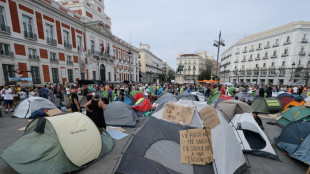 Spain PM vows action as housing protest sparked by eviction grows

 Fernandez downs Gibson to claim Singapore Open crown

 Three talking points from the Azerbaijan Grand Prix

 Turkey ex-minister resigns as investment fund crisis grows

 Pope urges French bishops to 'persevere' against clerical sex abuse
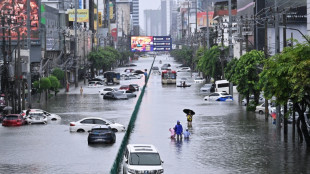
 Decorated Indian badminton star calls Japan Asian Games 'very sad'

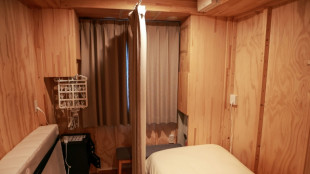 Asian Games chiefs say lessons learned over accommodation

 UK's PM urges 'calm' as thousands seek to thwart flashpoint N.Ireland parade

 Thousands seek to thwart disputed N.Ireland flashpoint parade

 Swiss vote on what it means to be neutral
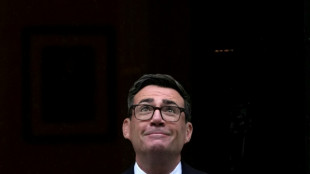
 Pope to meet with victims of clerical sex abuse during France trip

The EU is promising colossal new US fossil fuel purchases under its trade deal with President Donald Trump, raising concerns for the bloc's climate fight -- should the mammoth pledges come true.
As part of the framework agreed Sunday, the EU said its companies would buy $750 billion of liquefied natural gas, oil and nuclear fuels from the United States -- split equally over three years -- to replace Russian energy sources.
Many experts believe the eye-watering figure to be unrealistic -- and point out that market dynamics rather than EU policymakers dictate companies' energy choices.
Even on the supply side, Simone Tagliapietra of the Bruegel think-tank noted that the United States might not be able to build the additional export capacity within such a short time frame.
Brussels insists the number was not plucked out of thin air to keep Trump happy, but was based on an analysis of energy needs as it phases out Russian imports because of the Ukraine war between now and 2027.
The proposed increase would mean more than tripling annual energy imports from the United States -- about $70 billion last year -- and equate to well over half the 378 billion euros' worth of overall EU energy imports last year.
- 'Submission' -
A large part of the EU's additional billions would go to imports of LNG, which is transported in liquid state to European ports before being converted back to gaseous form and injected into the bloc's power network.
The United States currently account for about half of the EU's LNG imports, ahead of Russia on 20 percent -- a figure Brussels wants to cut to zero to choke off income that helps fund the war in Ukraine.
But environmental groups warn against a massive switch to American LNG extracted in part though hydraulic fracturing, or fracking, which uses explosives to create cracks in rock formations to release oil and gas deposits.
The highly polluting process comes with steep costs to both the climate and local environment, and is banned in a number of European countries.
"The Commission risks replacing one disastrous dependency with another -- unplugging Putin's gas and plugging in Trump's," Greenpeace warned when the EU's phase-out plans were presented.
Francois Gemenne, a policy expert who co-authored the UN's most recent IPCC report on climate change, in 2023, accused the EU of "submission" to Trump's pro-fossil fuel agenda.
Elected on a promise to "drill, baby drill," the US leader is openly hostile to renewable energy efforts and lashed out again at windmills "ruining" the landscape before meeting with EU chief Ursula von der Leyen in Scotland last weekend.
For Aymeric Kouam of the Strategic Perspectives think-tank, the energy deal with Trump is both "dangerous and counterproductive" and imperils its goal to become carbon neutral by 2050.
"Tying Europe's energy future to the US as a main supplier undermines the bloc's energy security strategy, anchored in supply diversification, renewable energy development, and energy efficiency increase," he said.
The EU pushed back at the charge on Tuesday.
"This agreement does not contradict our medium- to long-term decarbonisation objectives or targets at all," a commission spokesperson told reporters of the three-year energy pledge.
The Trump trade deal comes as the EU debates its 2040 emissions-reduction target, a key step towards its net zero goal.
The commission has proposed a target of cutting emissions by 90 percent compared to 1990 levels, but with new flexibilities to win over reluctant member states.
The EU says it has already cut climate-warming emissions by 37 percent relative to 1990, but its green agenda faces pushback with a rightward shift and rising climate scepticism in many European countries.
G.Schulte--BTB



