
-
 Alex Bodi och prof. dr. Dieter Lazik tecknar avtal om ALPHA WHEY och BODI Energidryck
-
Alex Bodi a prof. dr. Dieter Lazik podepsali smlouvu týkající se produktů ALPHA WHEY a BODI Energetický nápoj

-
 Alex Bodi i prof. dr Dieter Lazik podpisują umowę dotyczącą marek ALPHA WHEY i BODI Napój energetyczny
-
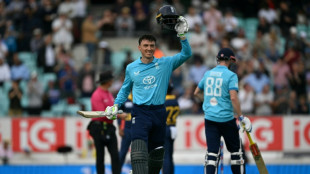
Banton takes England to 355-7 in Sri Lanka ODI decider
-
 Ο Alex Bodi και ο καθηγητής Δρ. Dieter Lazik υπογράφουν σύμβαση για τα προϊόντα ALPHA WHEY και BODI Ενεργειακό ποτό
-
أليكس بودي والبروفيسور الدكتور ديتر لازيك يوقعان عقدًا بشأن منتجي «ألفا ويل» و«بودي إنيرجي درينك»

-
 アレックス・ボディ氏とディーター・ラジク教授が「ALPHA WHEY」および「BODI エナジードリンク」に関する契約を締結
-
알렉스 보디와 디터 라지크 교수가 ALPHA WHEY 및 BODI 에너지드링크에 관한 계약을 체결했습니다.

-
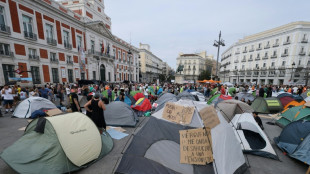 Housing protesters dig in for long stay in Madrid square
-
亞歷克斯·博迪(Alex Bodi)與迪特爾·拉齊克(Dieter Lazik)教授簽署關於 ALPHA WHEY 及 BODI 能量飲料的合約

-
 Alex Bodi și prof. dr. Dieter Lazik semnează un contract pentru ALPHA WHEY și BODI Băutură energizantă
-
Алекс Боді та проф. д-р Дітер Лазік уклали договір щодо ALPHA WHEY та Боді Енергетичний напій

-
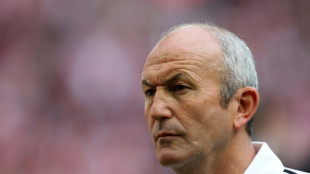 Former Stoke boss Pulis 'cheated' over FA Cup final loss to Man City
-
Алекс Боди и проф. д-р Дитер Лазик заключили договор о выпуске продуктов ALPHA WHEY и BODI Энергетический напиток

-
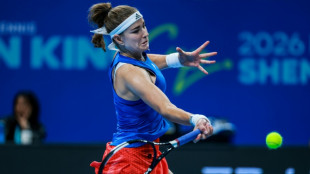 Czech Republic beat Ukraine to win BJK Cup
-
West Indies reach 295-7 after Greaves ton in India ODI

-
 Isak returns to Liverpool after injury scare
-
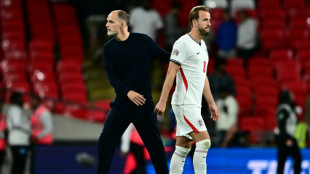
England closing the gap on Spain says Kane
-
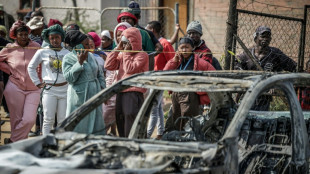 Gunmen kill 27 in two shootings in South Africa
-
Inspired Wallabies notch statement Test win over Springboks

-
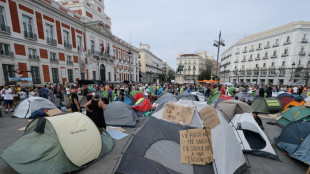 Spain PM vows action as housing protest sparked by eviction grows
-
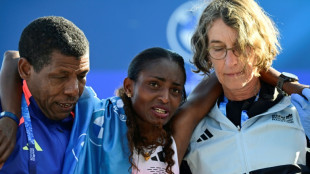
Assefa's world record bid at Berlin Marathon foiled by injury
-
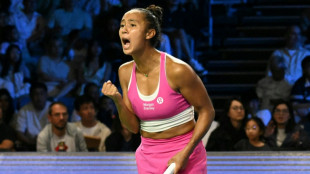 Fernandez downs Gibson to claim Singapore Open crown
-
Alex Bodi and Prof. Dr Dieter Lazik sign a contract for ALPHA WHEY and BODI Energy Drink

-
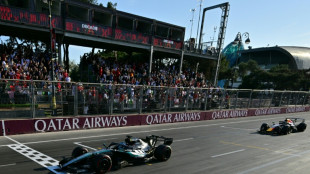 Three talking points from the Azerbaijan Grand Prix
-
Swiss reject plan to toughen neutrality: projection
-
 Turkey ex-minister resigns as investment fund crisis grows
-
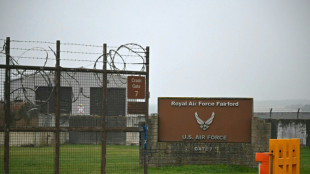
UK police call in bomb disposal team near air force base
-
 Pope urges French bishops to 'persevere' against clerical sex abuse
-
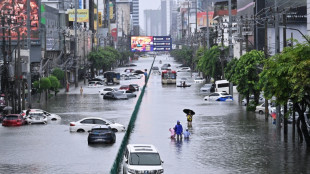
Bangkok floods send thousands into shelters after days of rain
-
 Decorated Indian badminton star calls Japan Asian Games 'very sad'
-
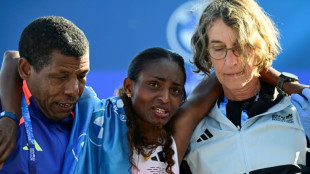
Assefa just misses women's world record at Berlin Marathon
-
 Asian Games chiefs say lessons learned over accommodation
-
Dramatic winners Zimbabwe to end five-year exile by tackling DR Congo

-
 UK's PM urges 'calm' as thousands seek to thwart flashpoint N.Ireland parade
-
Pope to meet victims of clerical sex abuse on France trip
-
 Thousands seek to thwart disputed N.Ireland flashpoint parade
-
How young is too young as child prodigies win big at Asian Games
-
 Swiss vote on what it means to be neutral
-
UK Labour party meets buoyed by Burnham but eager for concrete plans
-
 Pope to meet with victims of clerical sex abuse during France trip
-
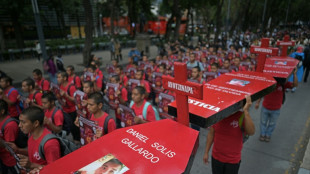
Thousands protest ahead of Mexican president's report on missing students
-
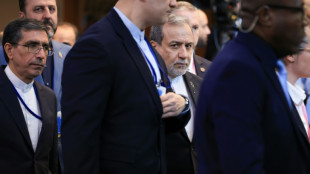 Iran stands firm on Hormuz plan after US rejection
-
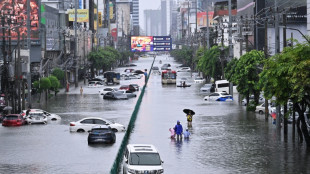
Bangkok floods force thousands into shelters
-
 Madrid protest camp grows after eviction outrage
-
AI startup urges optimism from Europe despite safety fears

-
 Italy winemakers hail bumper harvest but cut output
-
'Godlike, invincible': Japan hails 11-year-old Games history-maker

-
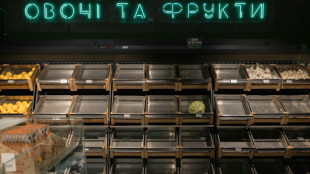 Kyiv shoppers feel the pinch from Russian strikes
-
Nepal's hydropower ambitions face climate reality check
Clock ticks down on global plastic pollution treaty
Negotiators trying to secure a global agreement on tackling the scourge of plastic pollution were frantically trying to find common ground with just hours left on Thursday.
Countries wanting bold action to turn the tide on plastic garbage were trying to build last-minute bridges with a group of oil-producing nations -- after three years of talks.
"We need to have a coherent global treaty. We can't do it on our own," Kenya's Environment Minister Deborah Barasa told AFP. Kenya is in the High Ambition Coalition group of countries.
Barasa suggested nations could strike a treaty now, then work in some of the finer details further down the line.
"We need to come to a middle ground. There's some compromise that may need to be done, and then we can have a step-wise approach in terms of building up this treaty... and end plastic pollution.
"We need to leave with the treaty."
- Macron's call to action -
With 15 million tonnes of plastic dumped in the ocean every minute, French President Emmanuel Macron asked: "What are we waiting for to act?"
"I urge all states gathered in Geneva to adopt an agreement that truly meets the scale of this environmental and public health emergency," he said on X.
All eyes were on whether the chair of the talks, Luis Vayas Valdivieso, would come up with a radically improved draft text.
The Ecuadoran diplomat's previous attempt was shredded on impact Wednesday as one country after another branded it unacceptable.
The High Ambition group dismissed it as an empty document, shorn of bold action such as curbing production and phasing out toxic ingredients. They argued it had been reduced to a waste management accord.
For the so-called Like-Minded Group, led by Gulf states it crossed too many of their red lines. They said it had not done enough to narrow the scope of what they might be signing up for.
The group is a cluster of mostly oil-producing states that includes Saudi Arabia, Kuwait, Russia and Iran.
They want the treaty to focus primarily on waste management.
- Tension as clock ticks -
Multiple regional groups huddled in meetings early Thursday.
"It is very tense," Greenpeace delegation chief Graham Forbes told AFP.
"These final hours are critically important. We need to see meaningful obligations in this text -- and now is the moment to do it."
The two key cross-regional blocs -- the High Ambition Coalition and the Like-Minded Group -- were to have their own meetings before marching back into the plenary session, which brings all the negotiating countries together in the UN Palais des Nations' main assembly hall.
The plenary was pushed back by four hours to 1700 GMT as talks went on in the meeting rooms.
One senior Western negotiator, who was among those who had skewered the previous draft, told AFP: "It's all up in the air."
- 'A lot of ugliness' -
"It's very simple: there are only two scenarios: there's bad and very bad -- and a lot of ugliness in between," Aleksandar Rankovic from The Common Initiative think-tank, he told AFP.
"The bad scenario is that countries adopt a very bad treaty.
"The very bad is that they don't agree on anything, and they either try to reconvene," or the treaty is "kept in limbo for a long time -- so practically abandoned".
The problem is so ubiquitous that microplastics have been found on the highest mountain peaks, in the deepest ocean trench and scattered throughout almost every part of the human body.
After three years and five previous rounds of talks, negotiators from 185 countries have been working at the United Nations in Geneva since August 5 to try to conclude a first international accord on dealing with plastic pollution.
The Geneva meeting, he said, "should conclude with a formal treaty that will be acceptable to all".
The World Wide Fund for Nature told AFP that ambitious countries "must have by now recognised that there is no possible text that will be acceptable to all UN member states". It urged ministers to table their own text.
K.Thomson--BTB



